You are using an outdated browser. Please upgrade your browser to improve your experience.

Pairing Paint Colours with Traditional and Modern Indian Tiles

Pairing Paint Colours with Traditional and Modern Indian Tiles

In Indian homes, flooring has always carried as much cultural and aesthetic weight as the walls. Whether it is the earthy charm of terracotta or the glossy sleekness of vitrified tiles, the tiles you choose make a strong design statement. Yet, the walls surrounding them often decide whether the overall look feels cohesive or disconnected. This is where pairing paint colours thoughtfully with your tiles becomes essential.

By choosing the right wall shades, you can enhance the beauty of your tiles, bring harmony to your interiors, and create an atmosphere that feels complete. At Indicus Paints, we understand this balance and offer curated paint shades that perfectly complement both traditional and modern Indian tile designs.
1. Understanding Your Tile Style

Before choosing paint, the first step is to understand the style of tiles you are working with. Tiles broadly fall into two categories, traditional and modern, and each demands a different approach.

Traditional Tiles

These tiles often have deep cultural roots and carry artisanal craftsmanship:

  • Terracotta Tiles: Rustic, earthy, and naturally warm.
  • Jaipur Blue Pottery or Patterned Tiles: Hand-painted, often vibrant and intricate.
  • Ceramic Tiles with Indian Motifs: Popular in courtyards and heritage homes.

Traditional tiles usually feature rich colours or natural tones, and they thrive when paired with complementary warm, neutral, or muted shades on the walls.

Modern Tiles

Contemporary flooring options lean towards sleek finishes and minimalist aesthetics:

  • Glossy Vitrified Tiles: Smooth and reflective, widely used in urban flats.
  • Marble or Granite: Luxurious, with natural veining or subtle patterns.
  • Porcelain or Engineered Tiles: Durable and versatile, available in cool tones.

Modern tiles tend to work well with cooler neutrals, contrasting bold shades, or minimalist palettes that enhance their clean lines.

Recognising whether your flooring is heritage-inspired or contemporary sets the stage for selecting the perfect paint palette.
2. Choosing Complementary Paint Shades

Once you’ve identified your tile type, the next step is finding paint shades that highlight, rather than compete with, the flooring. Here’s how you can approach it:

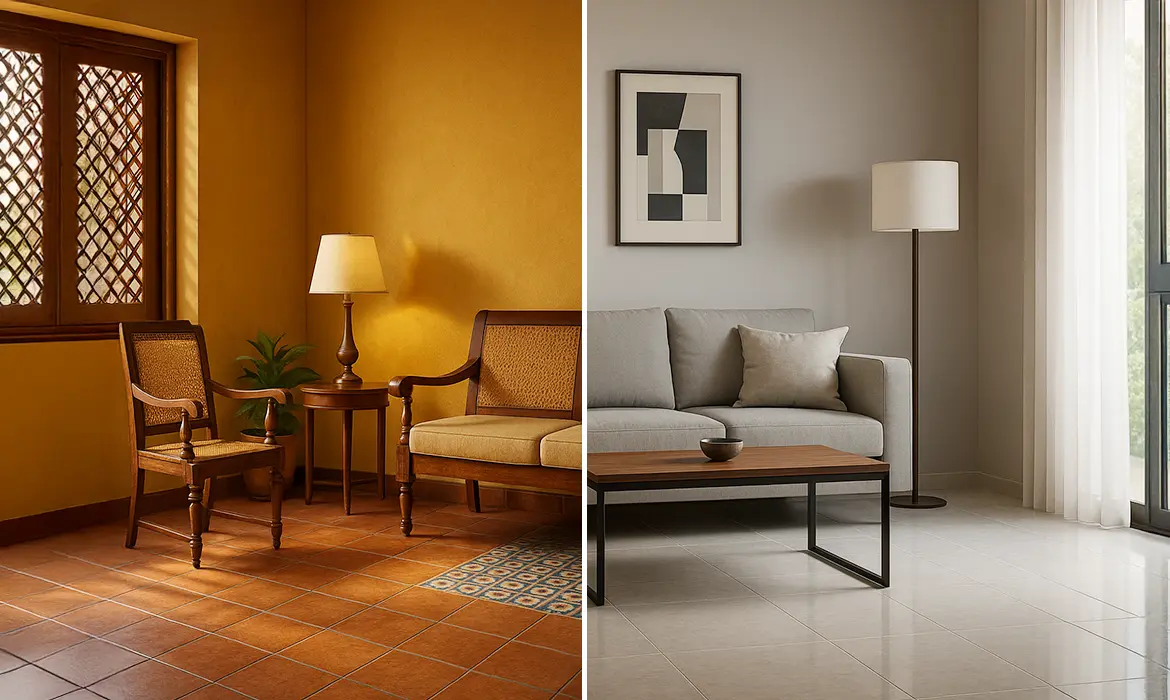
For Traditional Tiles

These floors already carry warmth and personality, so wall shades should enhance their authenticity.

  • Earthy Neutrals: Beiges, creams, and taupes that allow the tiles’ details to shine.
  • Warm Shades: Ochres, muted reds, and soft terracotta tones for a harmonious rustic feel.
  • Off-Whites with Warm Undertones: To brighten up without clashing with the richness of the tiles.

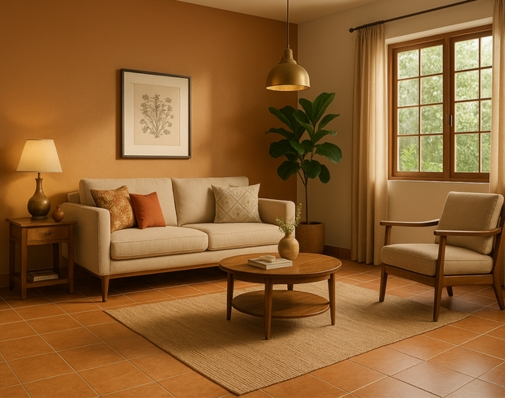
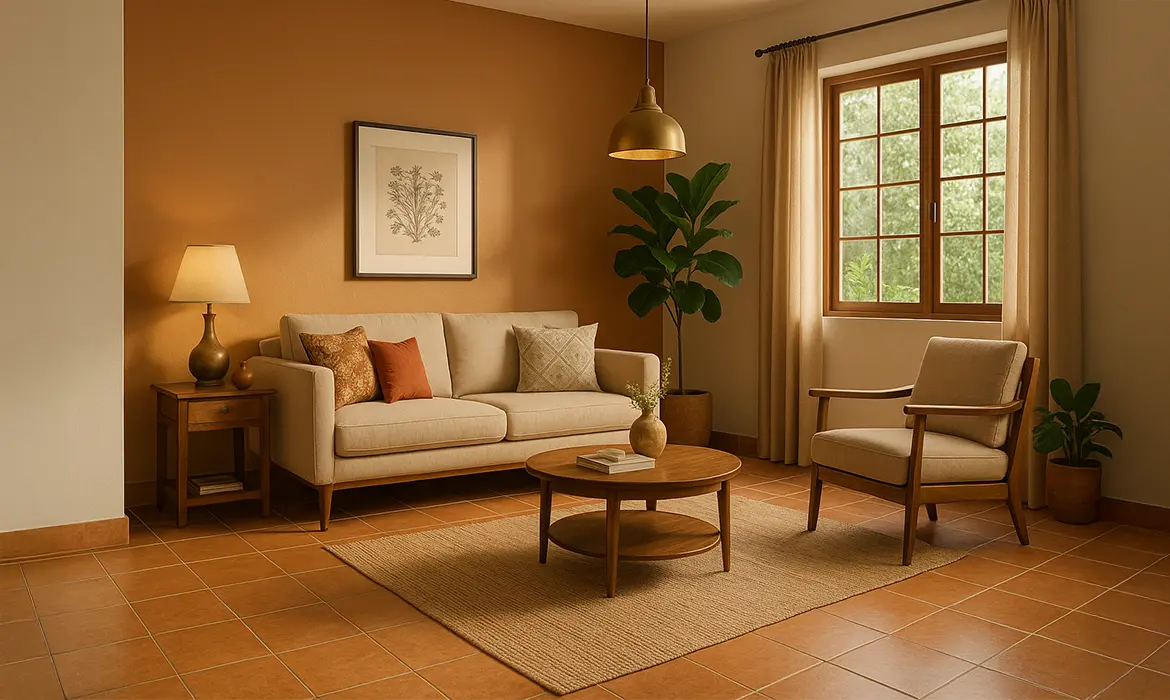
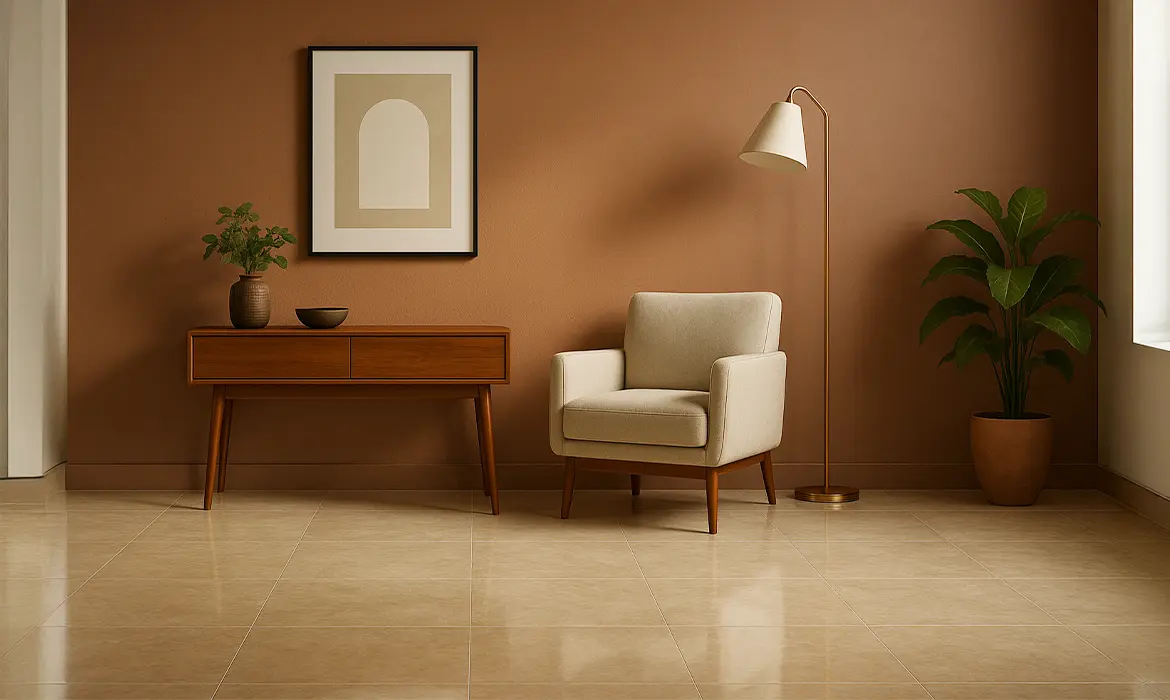
Example: Terracotta tiles paired with a soft cream wall create a timeless and inviting space, perfect for courtyards or family rooms.

For Modern Tiles

With their polished and sleek look, modern tiles can handle both neutrals and bold accents.

  • Cool Greys and Charcoal: Ideal for marble or glossy vitrified finishes.
  • Crisp Whites: Accentuates clean lines, perfect for minimal interiors.
  • Bold Accents: Navy blue, emerald green, or deep plum can add sophistication.
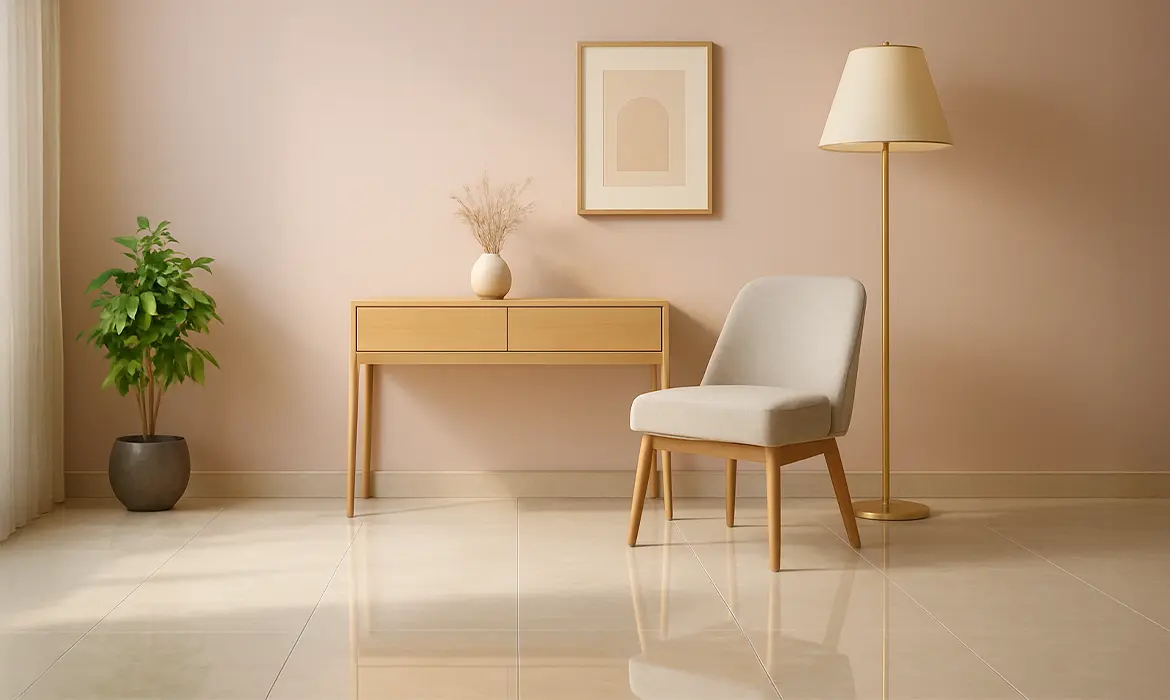
  • Warm Neutrals: Greige or soft beige for subtle elegance.

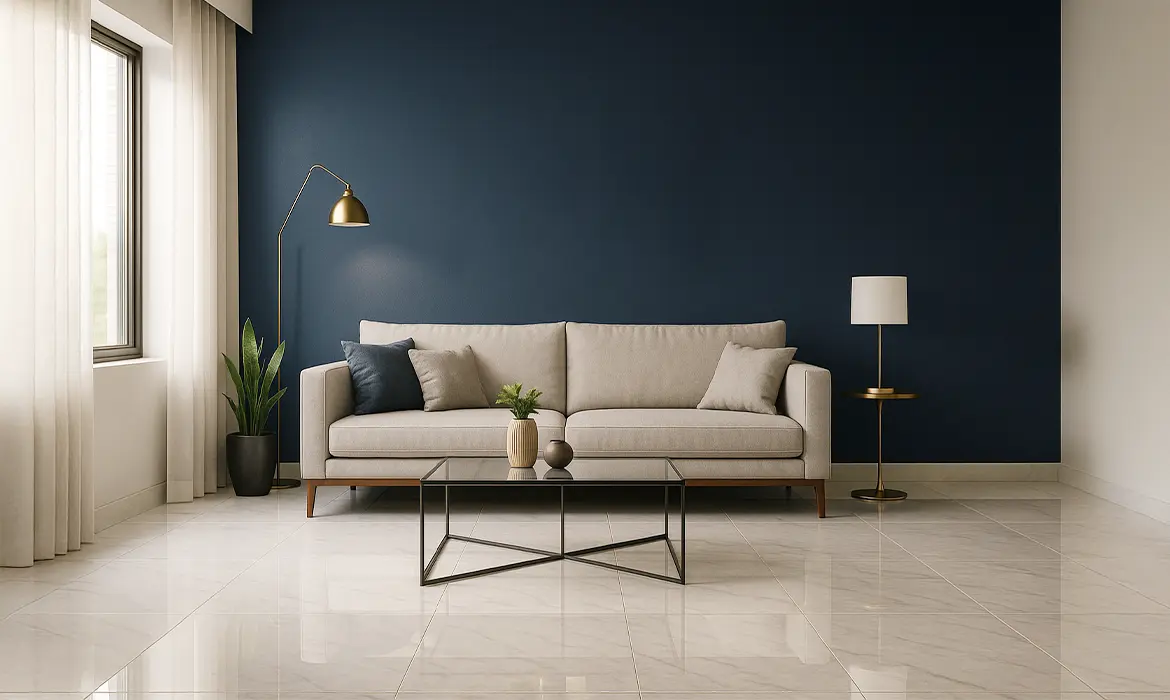
Example: White marble flooring paired with a deep navy accent wall offers a striking balance of modern luxury.

At Indicus Paints, our curated collections of neutrals, accents, and earthy shades are designed to simplify this process, ensuring every choice feels intentional.
3. Balancing Texture and Tone

Pairing is not just about colour, it is equally about texture and tone. The finish of your tiles and the surface effect of your paint should work in harmony.

Tips to Balance Texture and Tone

  • Glossy Tiles + Matte Walls: If your flooring has a shiny surface, choose matte or satin-finish paints to avoid an overly reflective look.
  • Textured Tiles + Smooth Walls: Allow patterned or tactile tiles to take the spotlight by keeping walls smooth and understated.
  • Light vs Dark Contrast: Pair lighter tiles with slightly deeper wall shades for depth, or balance dark floors with lighter wall tones to avoid a heavy atmosphere.

Example: Granite flooring in dark grey pairs beautifully with warm neutral walls in beige, preventing the room from feeling overly stark.

Indicus Paints also offers special finishes that add depth without overwhelming your flooring, giving you the flexibility to create balance across textures.
4. Tips for Seamless Combinations

To achieve interiors that feel cohesive and timeless, consider a few practical guidelines:

Keep the Room’s Function in Mind

  • Kitchens: Bright, washable finishes like soft neutrals to balance patterned tiles.
  • Living Rooms: Warm tones or accent walls that bring out character in floor tiles.
  • Bathrooms: Moisture-resistant paints in cool tones for freshness and hygiene.

Layer Accents Thoughtfully

  • Feature walls can add drama when paired with simple flooring.
  • Trims, skirting boards, or even ceiling colours can connect tiles and walls.

Balance Bold with Subtle

  • If tiles have heavy patterns, keep walls muted.
  • If tiles are plain or minimal, use accent walls to create visual interest.

Consider Lighting

Natural light and artificial lighting both change how paint looks against tiles. Always test paint swatches in your space before finalising.
Conclusion

Pairing wall colours with tiles is both an art and a science. Traditional tiles like terracotta or Jaipur ceramics deserve earthy, warm shades that honour their heritage, while modern tiles such as marble or vitrified styles shine with cool neutrals and bold accents. Beyond colour, the balance of texture, tone, and lighting completes the look.

Indicus Paints brings you a palette that is curated for Indian homes, ensuring you don’t just decorate but design interiors that feel whole. From timeless earth tones to modern neutrals and bold accents, our collections make it easy to pair your flooring with the perfect shade.

Investing in the right wall–tile combination doesn’t just elevate your home’s aesthetic; it creates a space that reflects comfort, elegance, and personality. With Indicus Paints, you have a trusted partner to bring this harmony to life.
Muted Valentine-Inspired Tones for Modern Indian Interiors

Muted Valentine-Inspired Tones for Modern Indian Interiors

Valentine’s Day has long been associated with bold reds and dramatic pinks. While these shades are expressive, modern Indian interiors are increasingly leaning towards palettes that feel more refined, versatile, and liveable beyond a single season. This shift has brought muted Valentine-inspired tones into focus colours that evoke warmth, romance, and comfort without overpowering a space.

For contemporary Indian homes, where design balances aesthetics with climate, light, and everyday living, muted hues offer a softer, more sophisticated way to celebrate romance. These shades blend seamlessly into modern interiors, creating spaces that feel calm, inviting, and effortlessly elegant all year round.

Key Colour Palette: Soft Romance with Depth

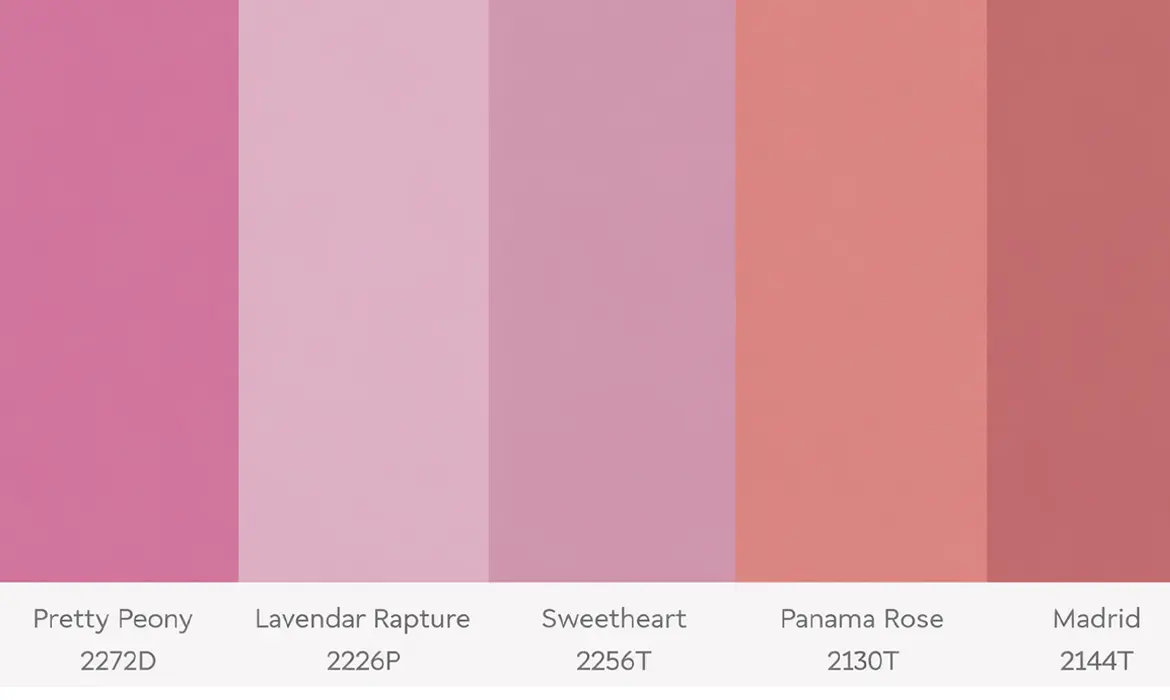
Muted Valentine tones are about subtlety and nuance. Instead of loud statements, they rely on understated warmth and natural elegance. Some of the most popular shades redefining romantic interiors include:

  • Peony (2272D) – A toned-down pink with a hint of grey, offering warmth without being overly sweet.
  • Lavender Rapture (2226P) – A gentle neutral that carries a soft romantic undertone, ideal for modern settings.
  • Sweetheart (2256T) – Where pink meets grey, this shade feels contemporary, calming, and versatile.
  • Panama Rose (2130T) – Earthy yet romantic, perfect for Indian homes that favour warmth.
  • Madrid (2144T) – A refined blend of brown and pink, adding depth and maturity to interiors.

These colours work beautifully because they sit comfortably between neutrals and accents, making them easy to integrate into existing décor without a full makeover.

Where to Use Them: Creating Intimate, Lived-In Spaces

Muted romantic tones are remarkably adaptable and can be introduced across various areas of the home depending on the desired mood.

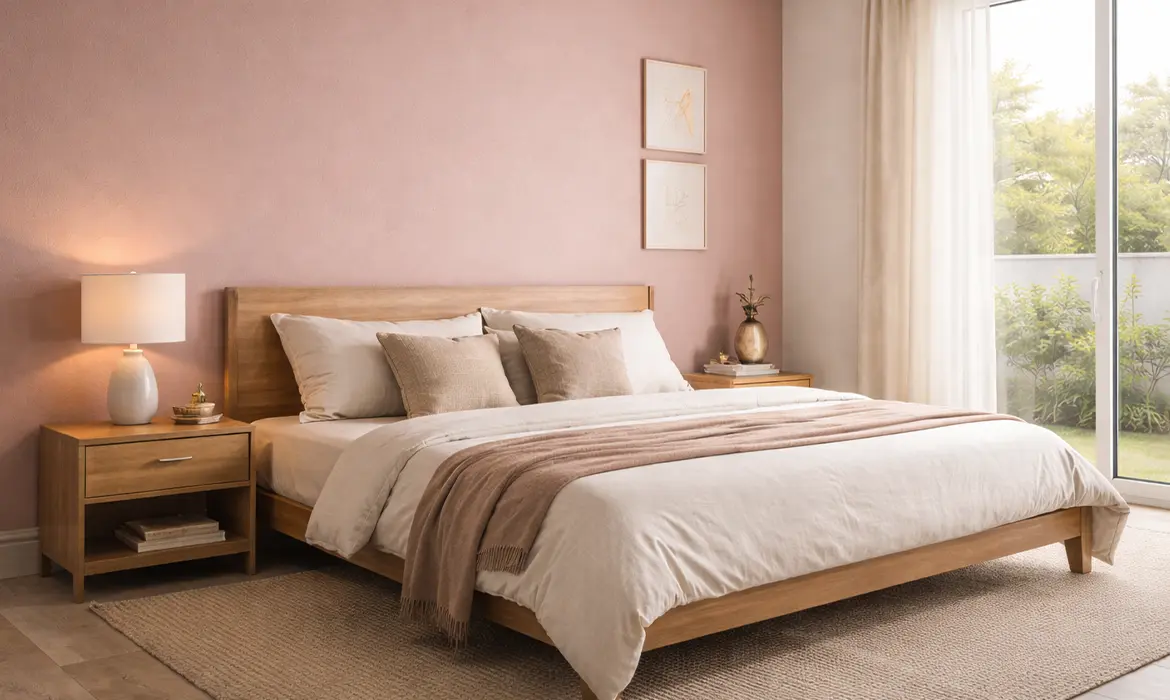
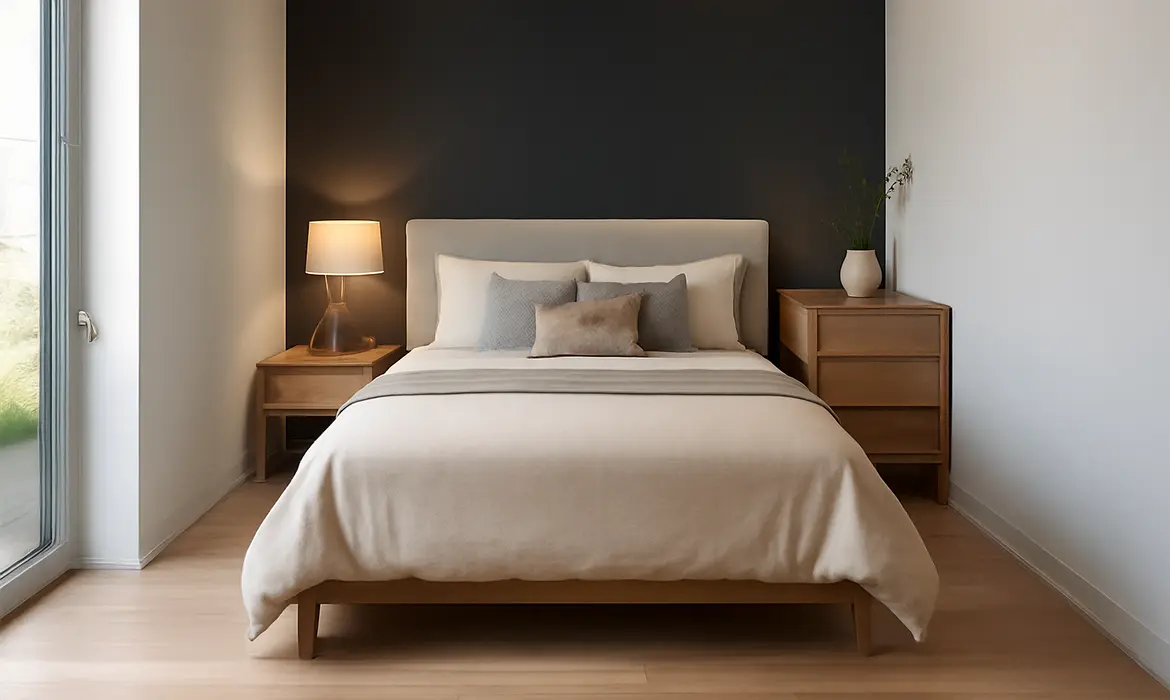
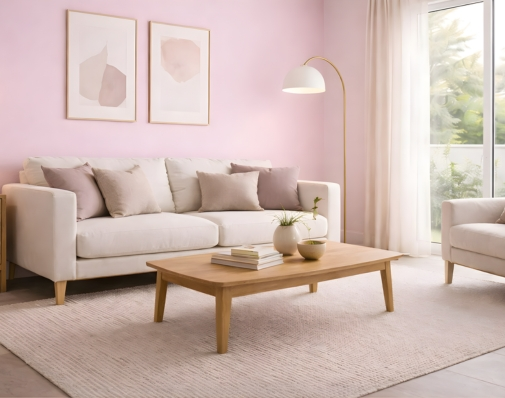
In bedrooms, these shades create a sense of calm and intimacy. Soft blush or dusty rose walls shades help establish a relaxing environment, ideal for winding down at the end of the day.

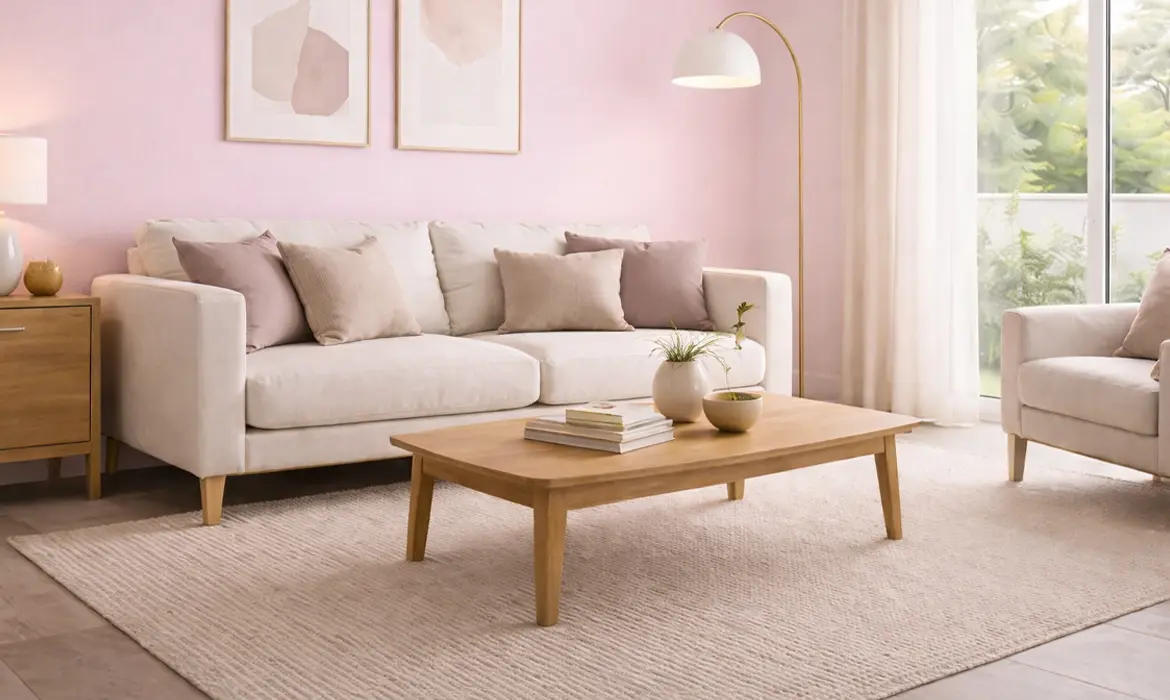
For living rooms, muted Valentine tones add warmth without overwhelming social spaces. Mauve greys or blush beiges work particularly well in homes with open layouts, maintaining a cohesive flow while adding character.

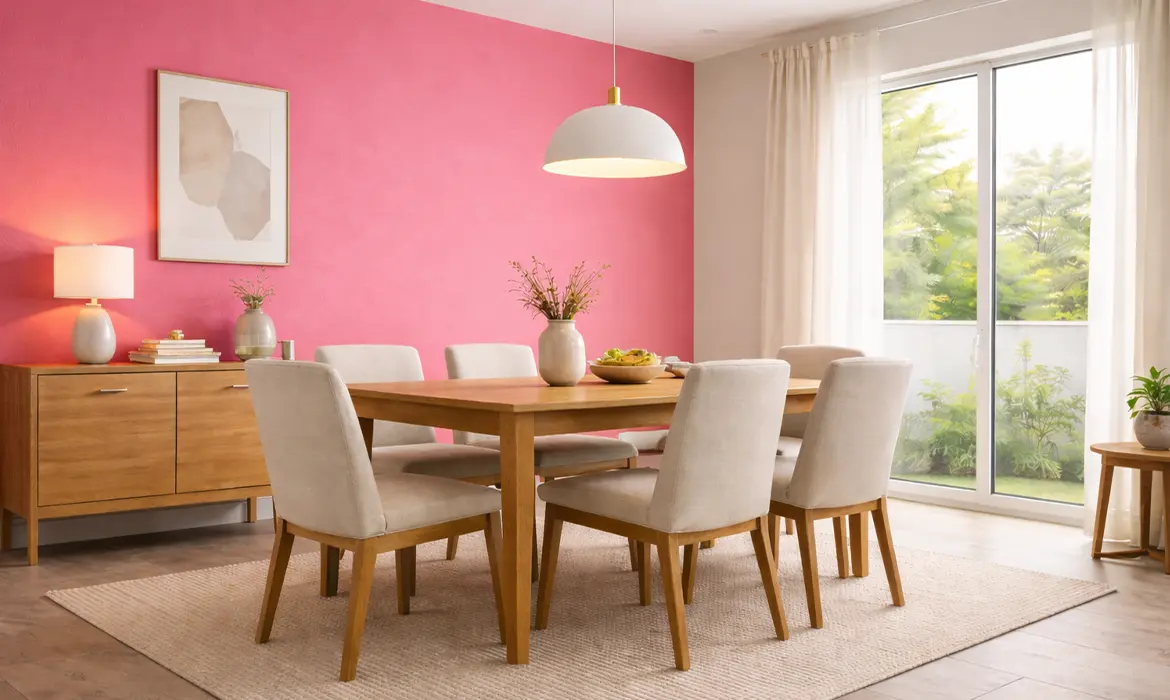
In dining spaces, soft terracotta pinks or cocoa shades create a welcoming atmosphere that feels both elegant and grounded, perfect for shared meals and conversations.

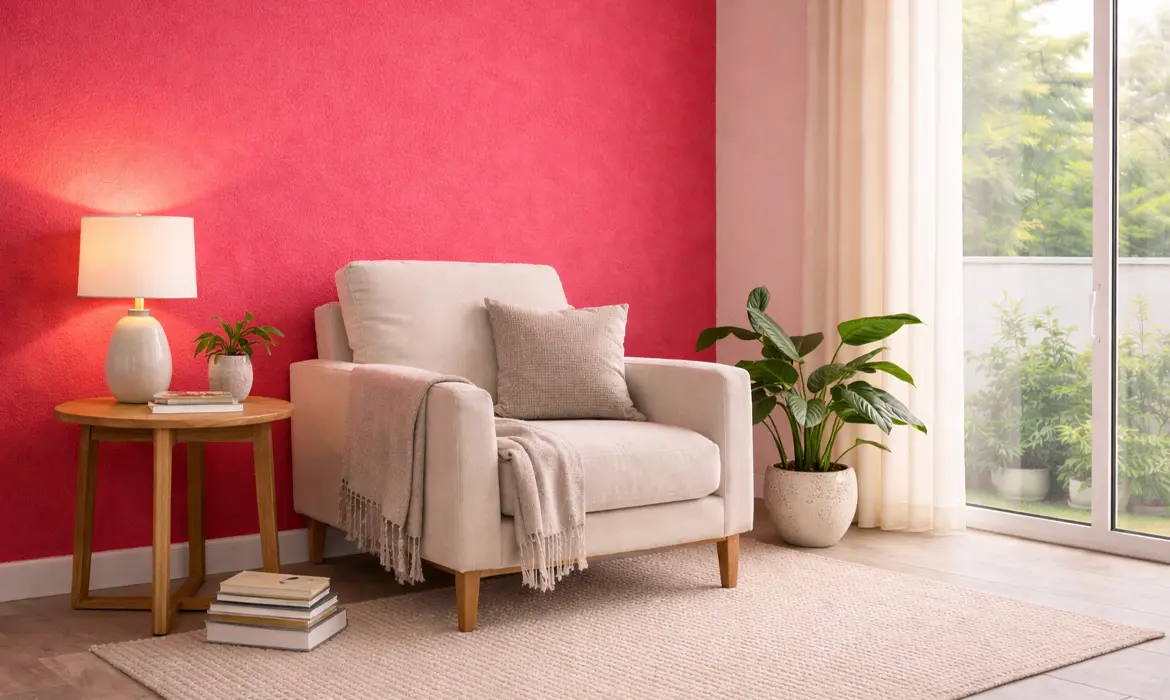
Smaller areas like reading nooks, window seats, or cosy corners benefit greatly from these hues. Used as accent walls, they bring depth and personality without dominating the space.

Pairing Suggestions: Enhancing the Palette Naturally

Muted Valentine tones truly shine when paired thoughtfully with complementary elements. Balance is key, these shades work best when grounded by neutral or natural textures.

Effective pairings include:

  • Off-whites and warm ivories to keep the space light and airy
  • Soft, warm greys that enhance the modern appeal
  • Natural wood finishes that add warmth and authenticity
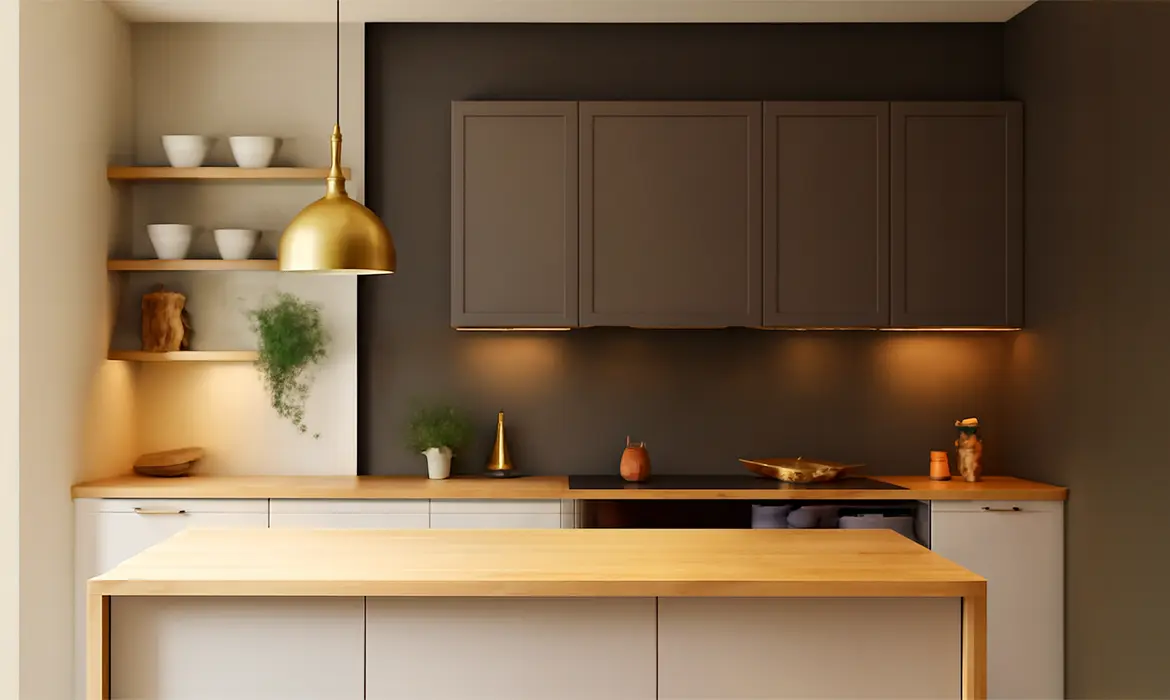
  • Brass or muted gold accents for a subtle hint of luxury

Instead of competing with the wall colour, these elements support it, allowing the space to feel cohesive and visually soothing. The result is an interior that feels styled yet comfortable, modern yet timeless.

Lighting Impact: Letting the Colours Breathe

Lighting plays a crucial role in how muted tones are perceived. In Indian homes, where natural light varies throughout the day, these shades respond beautifully to changing conditions.

Natural daylight highlights the softness of blush and dusty rose tones, preventing them from appearing heavy. In spaces with ample sunlight, muted colours feel fresh and luminous rather than dull.

Warm artificial lighting such as soft LED or warm-white fixtures enhances the romantic undertones of these shades in the evenings. It adds depth and warmth, making rooms feel cosy and inviting without altering the colour’s integrity.

Avoid harsh white lighting, as it can flatten muted tones and strip them of their warmth. Thoughtful lighting choices ensure these colours maintain their elegance throughout the day.

Why It Works in India: Practical, Elegant, and Climate-Friendly

Muted Valentine-inspired tones are particularly well-suited to Indian homes for several reasons. Beyond aesthetics, they align with the realities of climate, lifestyle, and long-term design needs.

  • Calming Effect: These tones create soothing interiors, ideal for homes that often serve as a retreat from busy urban life.

  • Heat-Friendly Shades: Softer, muted colours absorb less visual heat compared to darker or overly saturated hues, making spaces feel cooler and more comfortable.
  • Year-Round Elegance: Unlike festive reds or bright pinks, muted tones don’t feel seasonal. They transition effortlessly from Valentine’s Day to everyday living.
  • Versatility: These shades adapt easily to evolving décor styles, whether modern, minimal, or softly traditional.

For homeowners seeking interiors that feel current yet enduring, muted romantic palettes strike the perfect balance.

A Thoughtful Take on Modern Romance

Muted Valentine-inspired tones redefine how romance is expressed in contemporary Indian interiors. They move away from fleeting trends and instead focus on creating spaces that feel personal, balanced, and welcoming.

With thoughtfully curated shades and finishes designed for Indian homes, Indicus Paints makes it easier to explore these softer, modern palettes with confidence. Each colour is crafted to complement Indian light, climate, and lifestyles, ensuring walls that feel warm, expressive, and lasting. Because in modern Indian homes, romance isn’t loud, it’s subtle, enduring, and beautifully lived in.

Modern Monochrome Wall Paint Trends for Indian Homes

Modern Monochrome Wall Paint Trends for Indian Homes

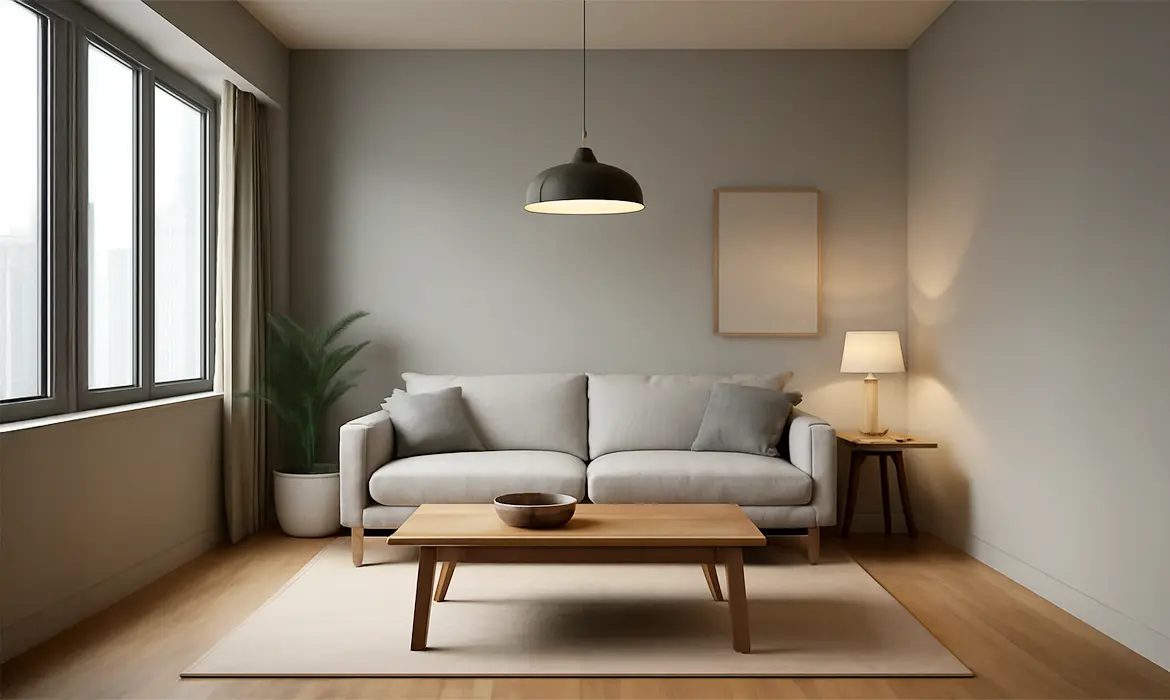
As Indian homes evolve in design and functionality, one of the most compelling trends gaining traction is the use of monochrome wall paint. Once considered stark or utilitarian, monochrome colour schemes have now emerged as a sophisticated choice, blending elegance with modern minimalism. Ideal for urban spaces, these sleek tones help create timeless, balanced interiors that reflect contemporary living while accommodating traditional elements. Let’s explore why monochrome walls are a perfect choice for Indian homes in 2025.

Modern Appeal: Sleek and Refined Aesthetics for Urban Living

Monochrome wall paint has become synonymous with modern design. In the context of Indian homes, especially urban apartments and contemporary residences, monochrome brings clarity, organisation, and a sense of calm amidst the fast-paced lifestyle.

Why Monochrome Works for Modern Indian Homes:

  • Clean and Streamlined Look

    Monochrome tones eliminate visual clutter, providing a neat and organised appearance that enhances the perception of space in smaller urban homes.

  • Minimalist Harmony

    These colours align perfectly with minimalist furniture, simple décor, and uncluttered layouts that are favoured in metropolitan areas.

  • Adaptability Across Spaces

    Whether it’s the living room, bedroom, or home office, monochrome walls effortlessly support various interior styles, from industrial to Scandinavian.

The understated nature of monochrome allows homeowners to showcase statement furniture or artwork without overwhelming the senses. This balance between subtlety and statement is exactly why monochrome is gaining immense popularity.

Beyond Just Black & White: Exploring a Sophisticated Colour Range

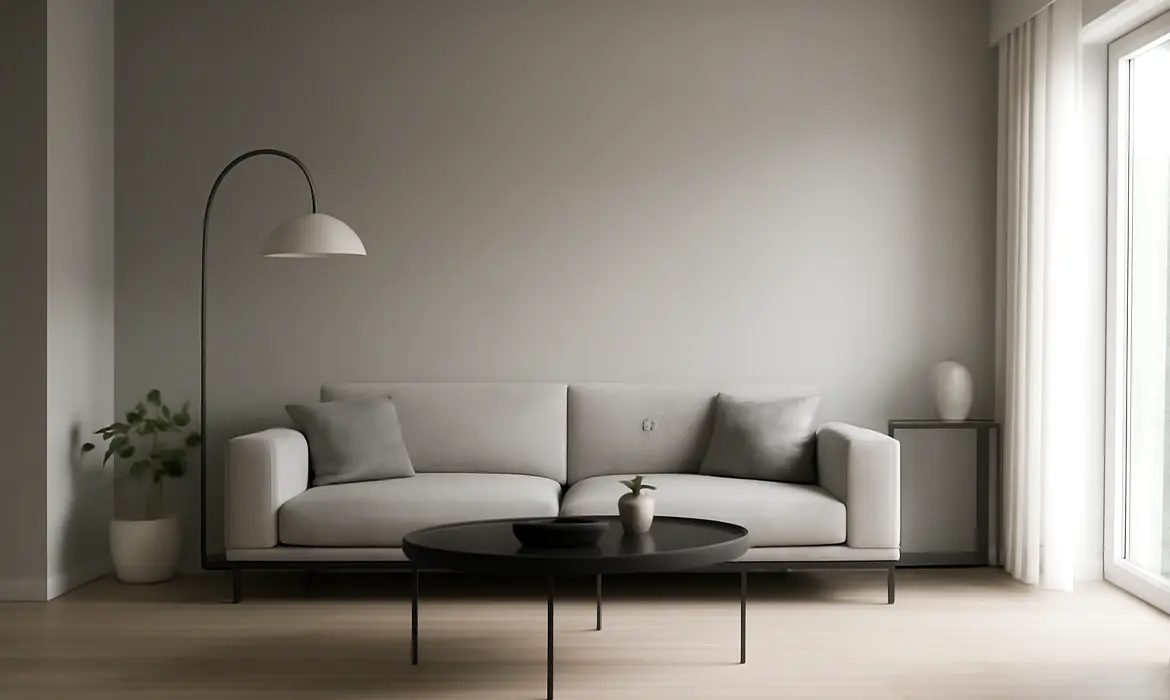
While black and white are the most recognised monochrome choices, the trend has expanded into a much richer spectrum. Soft greys, charcoal tones, and warm neutrals have emerged as preferred shades, offering greater versatility and warmth to Indian homes.

  • Soft GreysA light grey offers a gentle backdrop, adding sophistication without harshness. Ideal for enhancing natural light and making small rooms feel airier.
  • Charcoal TonesDark grey or charcoal walls introduce a dramatic, elegant touch. Perfect for accent walls in living rooms or bedrooms, charcoal provides depth without making the space feel confined.
  • Warm Neutrals Shades like taupe, beige, and greige (a blend of grey and beige) provide subtle warmth while maintaining the modern monochrome appeal. These tones suit traditional Indian décor and create a comfortable atmosphere.

Benefits of Exploring Beyond Black & White:

  • Adds visual depth and dimension.
  • Prevents a sterile or cold feeling.
  • Makes it easier to pair with natural materials like wood, stone, and metals.

Rather than sticking to stark contrasts, modern monochrome trends focus on layering similar tones to create a cohesive and elegant space. This approach ensures the home feels warm, inviting, and never overpowering.

Balanced & Elegant: Complementing Monochrome with Materials and Lighting

A monochrome wall is only part of the story. The interplay of textures, materials, and lighting completes the design, resulting in a harmonious and timeless home.

How to Achieve Balance with Monochrome Walls:

  • Incorporate Natural Materials
    • Wood finishes (teak, walnut, oak) soften the monochrome palette and introduce warmth.
    • Metal accents (brass, copper, matte black fixtures) provide an industrial touch without clashing.
  • Utilise Warm Lighting
    • Opt for warm LED lights instead of harsh white lights to prevent the space from feeling cold or sterile.
    • Layer lighting using floor lamps, table lamps, and pendant lights to create a cozy, inviting atmosphere.
  • Select Modern Neutral Shades from Indicus Paints

    Indicus Colour Symphony offers an extensive range of carefully curated neutral shades that perfectly complement the monochrome trend. These include:

    • Warm Greys: Soft and adaptable, ideal for every room.
    • Charcoal Shades: For striking feature walls.
    • Muted Taupes and Beiges: Offering understated warmth.

Practical Tips for Homeowners:

  • Pair a charcoal feature wall with light grey on adjacent walls to maintain balance.
  • Use wooden furniture and warm-toned accessories to break the monotony of monochrome and add personality.
  • Accentuated with greenery, plants not only bring life to the space but also contrast beautifully against grey or black walls.

By combining monochrome walls with thoughtful materials and lighting, homeowners can create spaces that are not only modern and elegant but also comfortable and personal.

Conclusion: Elevate Your Home with Monochrome Sophistication

Monochrome wall paint trends offer the perfect solution for modern Indian homes seeking a balance between style, simplicity, and functionality. Whether you are aiming for a sleek urban look, a cosy retreat, or a timeless design that transcends trends, monochrome tones provide unmatched versatility.

From the subtle charm of soft greys and warm neutrals to the bold confidence of charcoal tones, monochrome paints help you craft spaces that reflect your personality while remaining elegant and balanced. When complemented with natural wood, metal accents, and thoughtful lighting, these walls transform from mere backgrounds into integral components of your home’s story.

At Indicus, we understand that home is where your story begins. Our Colour Symphony palette offers a wide variety of modern neutral shades, specially curated for Indian homes. Explore our collection today and discover how the perfect monochrome colour can elevate your living space with elegance, warmth, and lasting appeal.

Embrace modern monochrome wall trends and let your home speak the language of sophistication.

Repainting Your Home: A Practical Guide with Expert Tips

Repainting Your Home: A Practical Guide with Expert Tips

A fresh coat of paint can transform your home, but when should you repaint, and what should you choose? This guide is for homeowners who want to make smart, cost-effective decisions while keeping their homes looking beautiful for years.

Why Repainting Matters?

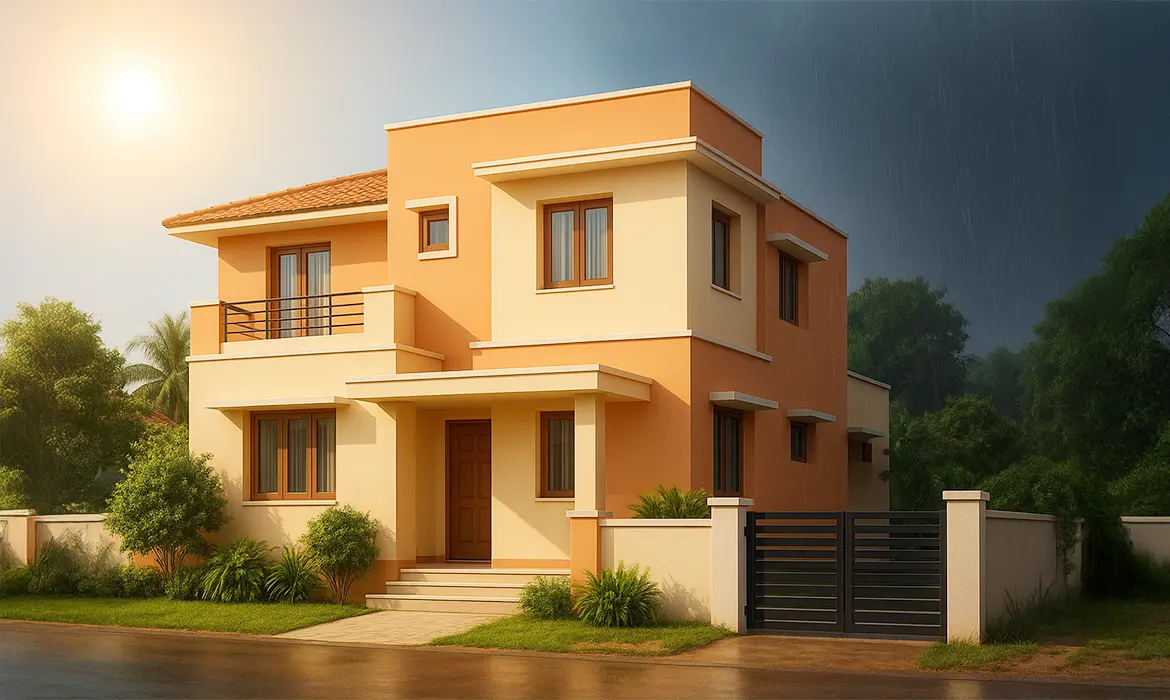
Over time, sunlight fades your walls, monsoons leave damp marks, and everyday life brings scuffs and stains. Repainting is not just about beauty; it protects your home from moisture, heat, and wear-and-tear.

How Often Should You Repaint?

The frequency of repainting depends on three main factors:

1. Climate: In Tamil Nadu, summers, monsoons, and humidity put stress on walls. Homes near the coast also face salty air, which causes faster paint deterioration and peeling. Exterior walls may need repainting every 3–5 years, while interiors usually last longer but still require attention in humid areas.

Weather protection

2. Usage: Some rooms face more wear and tear than others. Living rooms, kitchens, and kids’ rooms often collect stains, grease, or fingerprints, making them candidates for repainting every 2–3 years. Bedrooms, guest rooms, or storerooms may only need a fresh coat every 5–7 years.

Interior Warmth

3. Paint Type: The type of paint you choose affects how long your walls look fresh. Premium paints like Indicus Admyra offer washability, durability, and resistance to fungus and mildew, helping them last longer than basic options. Choosing the right paint can reduce how often you need to repaint and lower costs over time.

SurfaceTypical Repainting TimeWith Premium Indicus Paints
Exterior Walls3 to 4 yearsUp to 8 years
Interior Walls3 to 5 yearsUp to 7 years
Wooden Fixtures2 to 3 years4 to 5 years
Metal Gates/Grills1 to 2 years2 to 3 years
Indicus NEOTE

Choosing the Right Paint.

Homeowners often wonder whether to spend more on paint now or repaint sooner. Here is a simple way to think about it:
  • Short-term budget: A standard exterior paint might last 3 years, costing less upfront but needing frequent repainting.
  • Long-term savings: Premium weather-resistant paints like Indicus Forto may cost more initially but last up to 10 years , saving money and effort over time.
Other factors matter too. For instance, Indicus Admyra paints are an excellent choice for kitchens and kids’ rooms. They are easy to wash, long-lasting, and keep colors looking bright for longer. Plus, their fungus- and mildew-resistant properties help maintain a cleaner, healthier environment for your family.

When to Paint?

In Tamil Nadu, the ideal time for repainting is from January to July, after the monsoon season. During these months, walls are dry, humidity is lower, and temperatures are moderate to high. This allows the paint to cure properly, reducing the risk of peeling or blistering. Painting in this window also ensures longer-lasting results compared to the hotter summer months or the damp monsoon period.

Best Practices for Long-Lasting Paint

A good paint job starts with preparation. Skipping steps may save time upfront but usually leads to peeling, fading, or damp patches later. Here are the key practices to follow before and during painting:

  • Surface Cleaning: Walls collect dust, dirt, grease, and algae over time. If these are not cleaned, the paint does not bond well and may peel off quickly.
  • Fix Cracks: Even small cracks allow moisture to seep in, weakening the paint. Use acrylic fillers for hairline cracks and SBR-Cement mix for wider gaps to prevent water damage and keep walls structurally sound.
  • Treat Dampness: Moisture is one of the main reasons paint fails. Areas with seepage or damp spots should be treated with a waterproofing solution before painting. This stops recurring problems like bubbling paint or mildew growth.
  • Primer First: A primer helps paint grip the wall, improves coverage, and increases durability. Without primer, even the best paints may fade faster or look patchy. Always match the primer type to the surface and the paint being used.
  • Multiple Coats: One coat rarely provides enough coverage or protection. Two coats are the minimum for even color and durability. A third coat is often recommended for darker shades or surfaces exposed to heavy wear and weather.
Exterior dream home

Indicus Paint Chart.

CategoryProduct NameKey Features & TechnologyBenefits & PerformanceWarranty
Wall Paints – ExteriorForto (Durable Exterior Emulsion)Dura-colour technology, Dirt-pickup resistant, Anti-stress, UV & Anti-algal protectionLong-lasting colour; Resists weather, dirt, chemicals, UV; Keeps walls fresh for years8 Years
Resilio (Premium Exterior Emulsion)Strong adhesion, Weather protection, Colour retention, UV & Anti-algal protectionWithstands extreme weather; Prevents chalking, peeling; Maintains colour richness5 Years
Calibre (Exterior Emulsion)Anti-peel Technology, Excellent hiding, Higher coverage, Low VOC, Anti-algalPrevents peeling & flaking; Better coverage & smooth finish; Cost-effective & eco-friendly3 Years
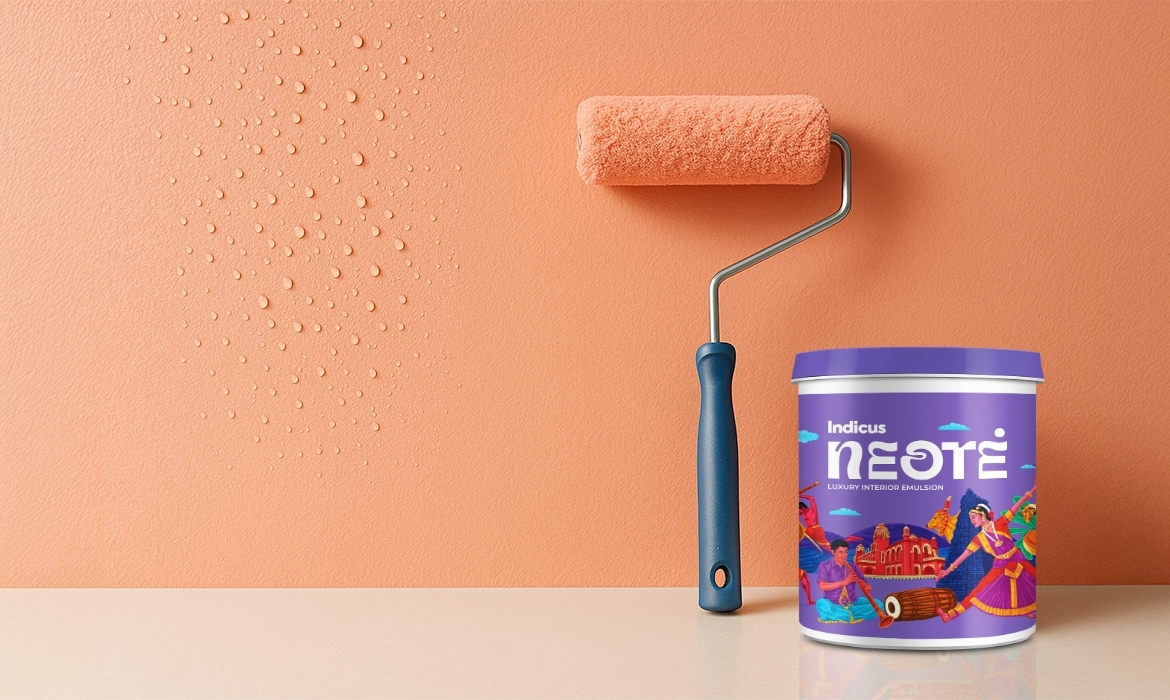
Wall Paints – InteriorNeotė (Luxury Interior Emulsion)Scuff-resistant, Silver ion technology, Velvet touch effect, Excellent washabilityWashable & durable walls; Anti-bacterial protection8 Years
Admyra (Premium Interior Emulsion)Stain resistance, Rich colour depth, Fungus & mildew resistantLong-lasting vibrant finish; Withstands wear & tear5 Years
Draper (Interior Emulsion)Anti-peel Technology, Smooth finish, Excellent hiding, Higher coverage, Low VOCCrack-free walls; Smooth, fresh look; Better coverage than cement paints3 Years
Ceiling Bright (Ceiling Emulsion)Super bright white finishBright, spacious look; Reflects natural light; Energy saving due to reduced artificial lighting
Metal PaintsGlaz Premium Satin EnamelSatin finish, Weather resistant, Stain resistant, High durabilitySmooth satin finish; Weather & stain protection; Suitable for exterior metal surfaces
Glaz Premium Gloss EnamelGloss finish, Weather resistant, Stain resistant, High durabilityMirror-like gloss; Weather & stain protection; Long-lasting reflective finish
Glaz Aluminium PaintLustrous silver finish, Corrosion resistant, Heat reflective, Durable filmProtects metal from corrosion & heat; Reflective finish; Suitable for industrial & exterior structures
Wood PaintsGlaz Premium Satin EnamelSatin finish, Weather & stain resistant, High durabilityEnhances wooden surfaces with smooth, elegant satin look; Long-lasting protection
Glaz Premium Gloss EnamelGloss finish, Weather & stain resistant, High durabilityRich gloss finish; Long-lasting protection for wooden doors, windows, furniture

Bringing It All Together.

Repainting is more than just refreshing your walls. It is an essential part of maintaining your home. The right paint depends on your climate, lifestyle, and budget, and the right practices ensure lasting results.

With Indicus, you get more than paint. You gain the expertise of a brand that understands Tamil Nadu’s unique weather and your home’s needs. From cost-effective solutions to premium, long-lasting finishes, our range is designed to work for you.

Ready to get started? Speak to an Indicus expert today to plan your repainting schedule and choose the right products for your home.

The Complete, No-Confusion Guide to Choosing Home Office Colours

The Complete, No-Confusion Guide to Choosing Home Office Colours

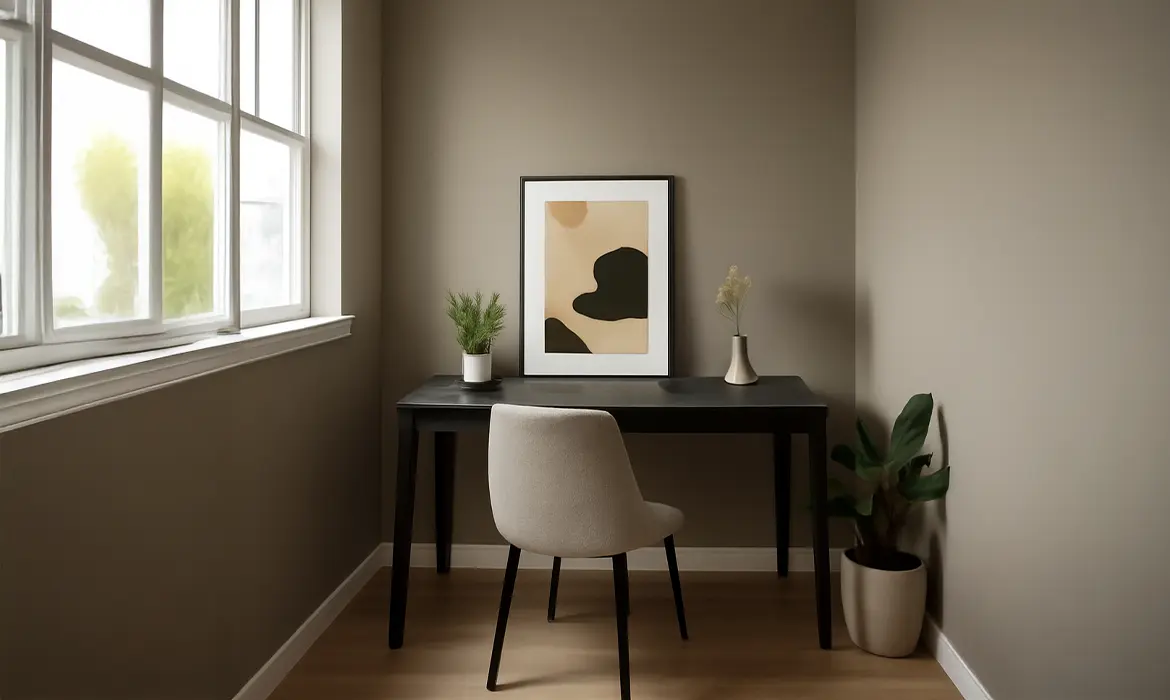
A productive home office starts with colour. The right palette calms your mind, reduces visual noise, and makes small rooms feel purposeful. The wrong one creates glare, eye strain, or a background that looks odd on video. This guide gives you a clear, step-by-step path so you can choose colours with confidence and start painting.

1) Start with the outcome you want from the room

Colour influences attention, stress, and creative energy. If you do not define the outcome, you will pick shades that look pretty but do not support your work.

Decide your priority:

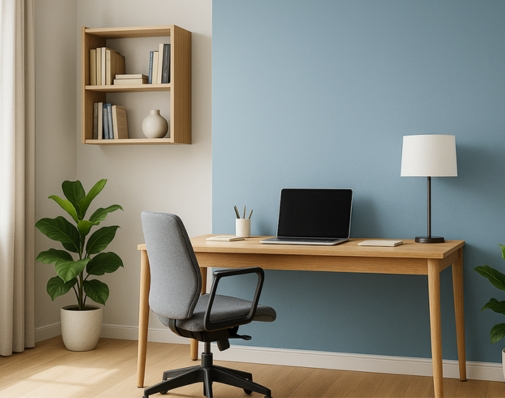
  • Deep focus and lower stress: Aim for cool, muted families.
  • Balanced, long hours at a screen: Choose nature-linked mid-tones that are gentle on eyes.
  • Warm energy for creative work: Use controlled warm accent hues against calm bases.
  • Professional video presence: Prefer soft, non-reflective mid-tones behind you.

Quick matches from Indicus:

2) Read the light before you pick a shade

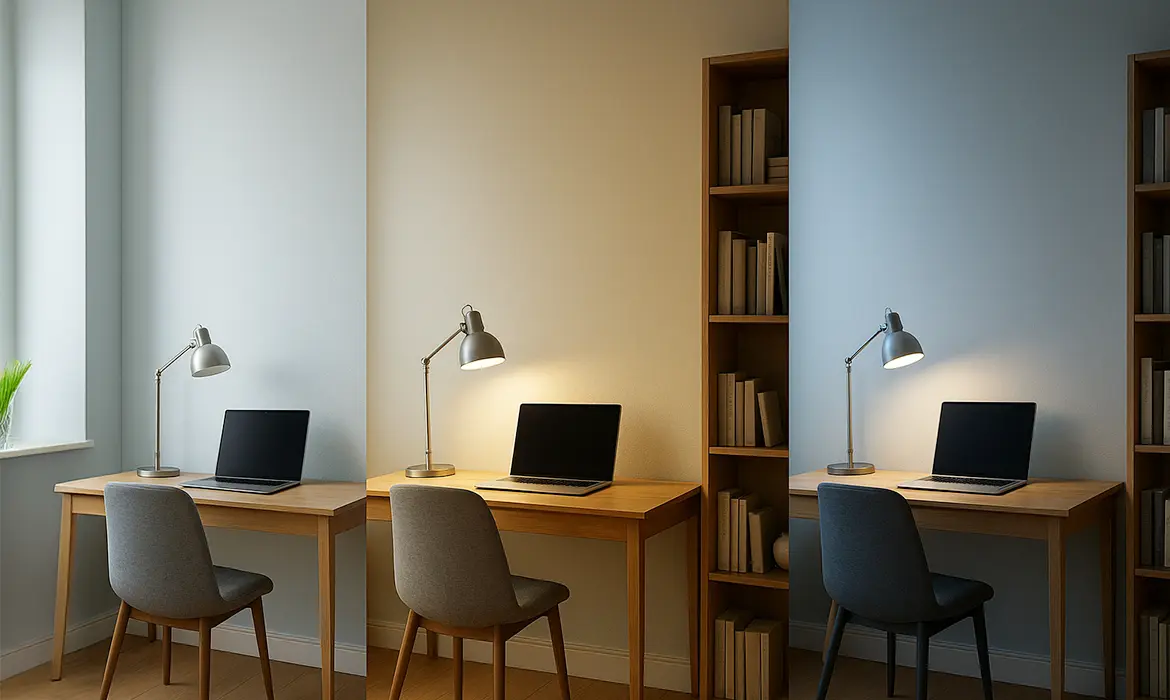
The same paint shifts in different light. Indian homes often have strong daytime sun and warm LEDs at night. A colour you love at noon can feel dull after sunset.

What to check?

  • Direction of natural light:
    • North or South facing rooms with less sunlight tend to feel cooler, so warmer neutrals and soft greens bring balance.
    • In contrast, the light in East and West facing rooms can be intense, making cooler blues and gentle greens a calming choice.
  • Artificial light:
    • Warm LEDs make colours look yellower.
    • Cool LEDs can make neutrals look stark.
  • Surface reflection:
    • Glossy floors, white wardrobes, or glass can bounce colour and change how walls read.
Light Conditions
Tip: If a room is dim, choose lighter values of your chosen family rather than switching families altogether.

3) Map existing furniture and undertones

Walls sit next to wood, fabrics, and metals. Their undertones either harmonise or fight. Harmony reduces mental clutter.

How to get the paint right?

  • Wood:
    • Warm teak and walnut goes well with Summer Green (2562P), Brown Tint (2890P), and soft creams.
    • Ash or pale oak pair well with Aegeon Blue (2396T) and Frozen Dew (2367P).
  • Metals:
    • Black and matt brass welcome earthy accents like Red Earth (2146D) in small doses.
    • Chrome and white read cleaner with quiet blues and greens.
  • Fabrics:
    • If your chair is already colourful, keep walls calm so the room does not feel noisy.
Green Walls

4) Choose your base colour family with intent

The base sets 60–70% of what your eye sees. Pick the family for how you need to feel during work hours, then adjust the depth.

Proven families and when to use them:

  • Blues for focus:
    • What they do: Lower visual noise and steady attention.
    • Use cases: Accounting, coding, research, writing.
    • Indicus pick: Aegeon Blue (2396T) as an accent or softened on two walls with neutrals elsewhere.
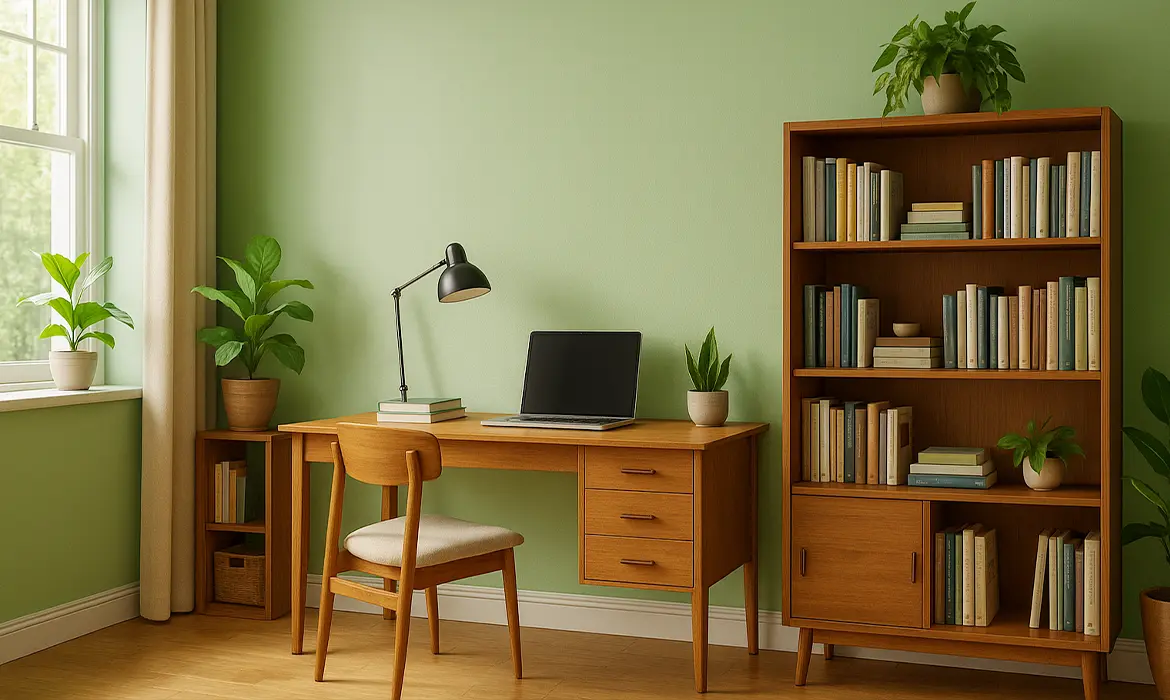
  • Greens for balance:
    • What they do: Reduce eye strain and feel restorative, like a courtyard.
    • Use cases: Long reading, design, teaching.
    • Indicus pick: Summer Green (2562P) for main walls.
  • Neutrals for versatility:
    • What they do: Offer a clean, professional backdrop that adapts to changing décor.
    • Use cases: Shared or compact rooms, rental homes.
    • Indicus picks: Frozen Dew (2367P) for a fresh, airy look. Brown Tint (2890P) for a warmer, grounded feel.
  • Earthy warms for creative lift:
    • What they do: Add gentle energy and depth when used in moderation.
    • Use cases: Brainstorm zones, backdrop niches.
    • Indicus pick: Red Earth (2146D) as a limited accent, not the main field.
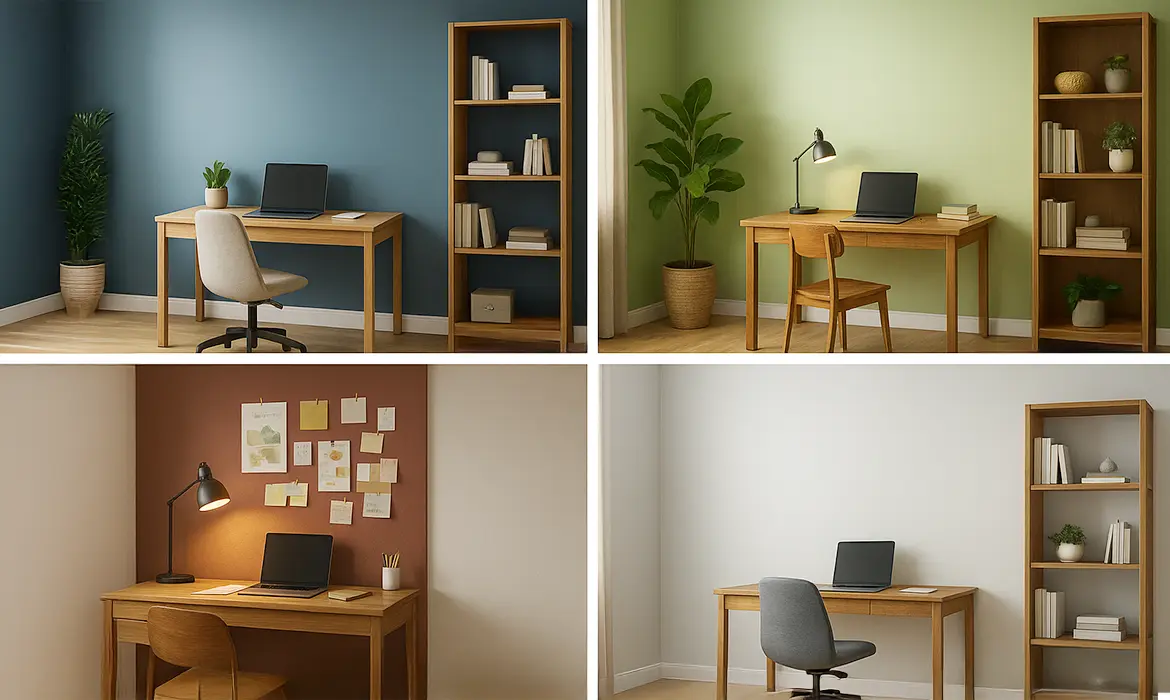
Base Colour families

5) Build a simple scheme: base, accent, ceiling, trim

A clear structure prevents “colour creep” and keeps the room coherent on camera and in real life.

Use this easy structure:

  • Base walls (60–70%): One calm colour that suits your light.
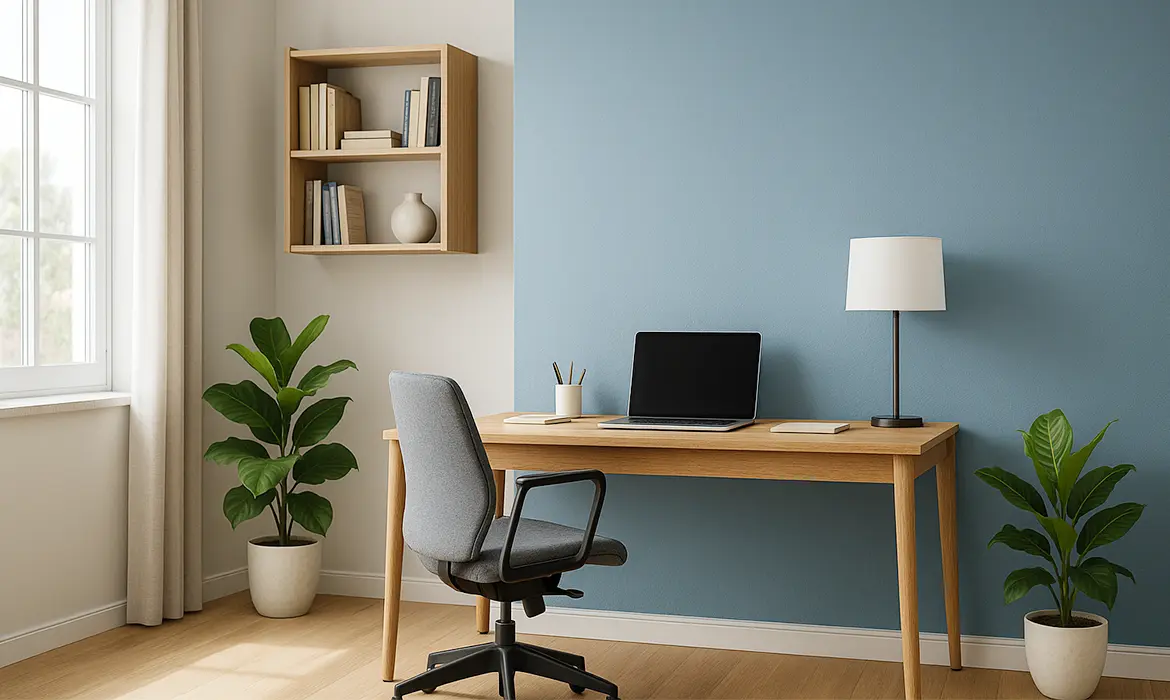
  • Accent (10–20%): A deeper or contrasting wall behind the desk or shelves.
  • Ceiling (10%): Usually lighter than walls to lift height.
  • Trim and doors (the rest): A clean, repeatable neutral.

Ready-to-apply pairings:

  • Calm focus: Frozen Dew (2367P) walls + Aegeon Blue (2396T) behind desk + white ceiling.
  • Nature balance: Summer Green (2562P) walls + Brown Tint (2890P) trim + off-white ceiling.
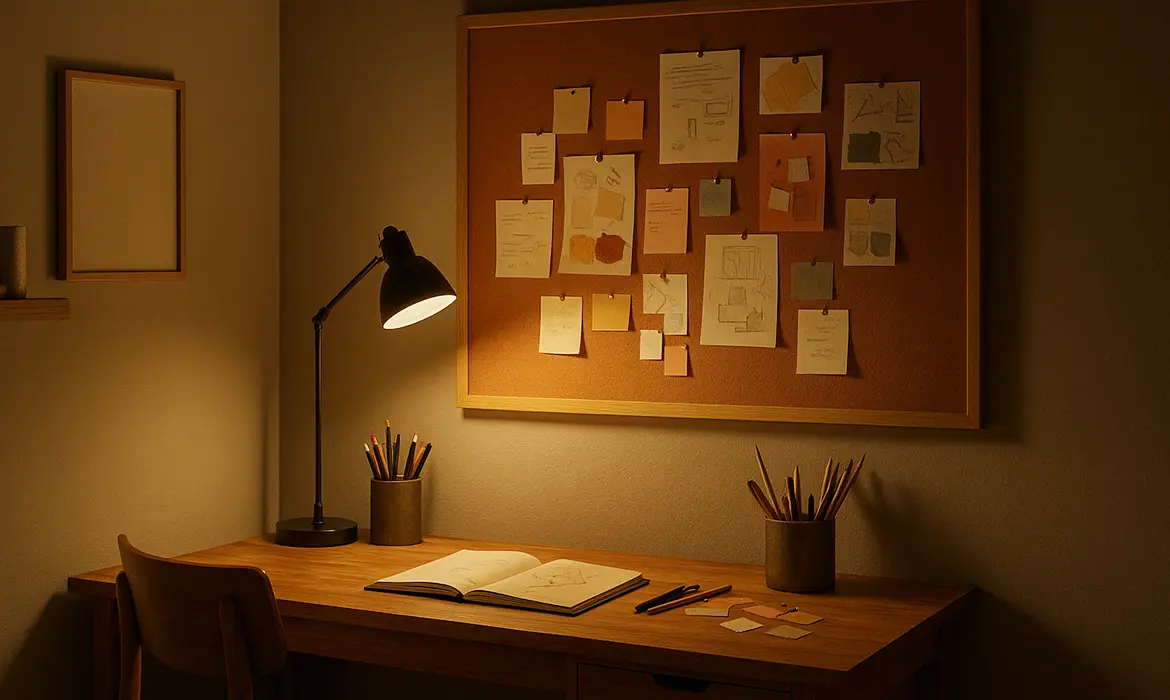
  • Warm creative corner: Brown Tint (2890P) walls + a Red Earth (2146D) niche or pinboard zone.
6) Plan for the camera

Your wall becomes your brand on video calls. Harsh whites or glossy finishes cause glare and washing out.
What works consistently:

  • Finishes: Prefer matte or eggshell to cut screen glare.
  • Tones: Mid-light, muted colours look professional.
  • Background styling: Keep shelves minimal so colour remains the hero.

Camera-friendly combos:

  • Frozen Dew (2367P) + tidy wood shelving.
  • Summer Green (2562P) + white trim for crisp edges.
  • Aegeon Blue (2396T) accent behind the desk, with soft neutral side walls.
Home office

7) Choose the right finish for function

Finish changes both appearance and usability. The wrong sheen can tire your eyes or make cleaning difficult.

  • Matt: Best for work zones to reduce glare and visual fatigue.
  • Sheen: Best for living areas and bedrooms, offering a subtle shine that enhances color depth while being a bit easy to clean.

Health and upkeep: Low-VOC, low-odour paints keep indoor air comfortable during long workdays. Washable ranges like Indicus Admyra help walls stay fresh with routine cleaning.

8) Sample smart to avoid surprises

Colours shift with time of day and light temperature. Sampling protects you from costly repaints.

Here’s a quick, reliable method:

  • Get sample paints of your final two or three options.
  • Paint A4 or A3 cards with two coats, label them, and move them around the room.
  • View at 9 am, 2 pm, and 8 pm with your actual lights on.
  • Keep one card near your desk, another near the window, and one behind the camera view.
  • Decide after 24–48 hours, not immediately.

What you are looking for:

  • Does the colour stay calm under evening LEDs?
  • Does it clash with your desk or floor?
  • Does it look clean on camera without filters?
Night Feel

9) Prepare the surface so the colour reads true

Poor surface preparation changes colour and reduces durability. You do not need a full painting tutorial, just these essentials for accurate results.

  • Clean: Wipe oils and dust. Degloss shiny patches lightly so paint bonds evenly.
  • Patch: Fill cracks and sand smooth so light does not create shadows.
  • Prime where needed: Over dark colours, stains, fresh plaster, or patched areas. Primer evens absorption so the final colour matches the card.
  • Coats: Plan for two coats minimum for uniformity. Allow proper dry time between coats as per the can.
  • Edges: Use painter’s tape for crisp trim lines. Remove tape while paint is slightly tacky for the cleanest edge.

10) Common mistakes to avoid

Skipping some of these crucial yet often overlooked steps leads to repainting which incurs a toll on the overall budget.
  • Picking from a phone screen instead of real samples.
  • Choosing a bright accent first, then forcing the rest to fit. Always select the base first.
  • Ignoring evening lighting, which is when many of us work.
  • Using high-gloss on large walls, which increases glare and eye strain.
  • Painting every wall dark in a small, low-light room.

11) Your colour-to-paint checklist

  1. Define the room’s main outcome.
  2. Note light direction and your evening bulb type.
  3. List key furniture finishes and undertones.
  4. Pick a base family that fits your goal.
  5. Choose a simple scheme: base, accent, ceiling, trim.
  6. Select finishes for function and comfort.
  7. Sample on movable cards and review across the day.
  8. Prepare, prime where needed, and apply two coats.
  9. Style lightly so the colour can breathe.

Final touches from Indicus Paints

A good home office colour does more than look nice. It focuses your attention, calms your mind, and presents you well on camera. Use the steps above, test your shortlists, and trust what works in your light with your furniture. If you would like a second opinion, our team can help you refine choices and pick the right finish so you feel confident when you open the first can.

Happy painting. Your best workday can start on your walls.

Traditional Meets Modern: Pongal Wall Painting Ideas

Traditional Meets Modern: Pongal Wall Painting Ideas

Pongal is more than a harvest festival, it is a celebration of gratitude, abundance and new beginnings. As homes across Tamil Nadu are cleaned, decorated and prepared to welcome prosperity, wall colours play a quiet yet powerful role in setting the festive mood. Today, homeowners are increasingly blending tradition with modern design sensibilities, creating interiors that honour culture while reflecting contemporary lifestyles.

Wall painting for Pongal offers the perfect opportunity to refresh your home in a meaningful way. With the right colour choices, techniques and styling.

Pongal-Inspired Colour Choices

Colour has always been central to Pongal celebrations. From the bright kolams at the doorstep to the earthen pots used during festivities, traditional hues symbolise warmth, prosperity and connection to nature. When translated onto walls, these colours instantly create a festive foundation.

Classic Pongal-inspired shades work beautifully because they feel familiar yet uplifting. They also pair well with both traditional décor and modern furniture.

Popular festive colour inspirations include:

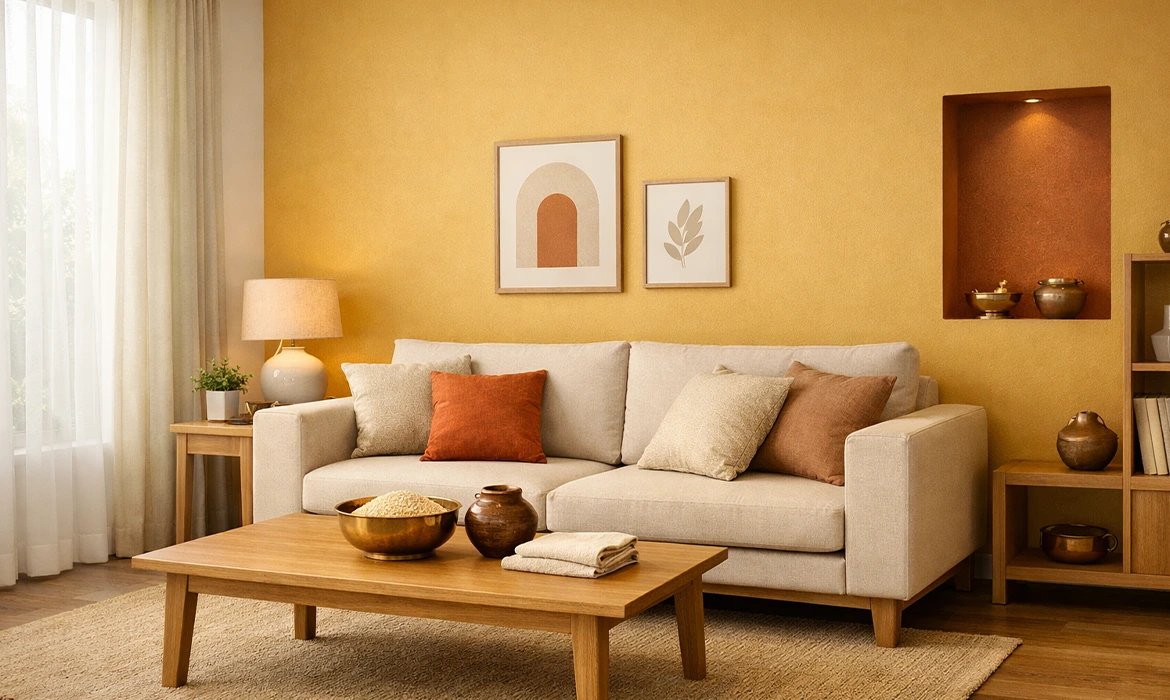
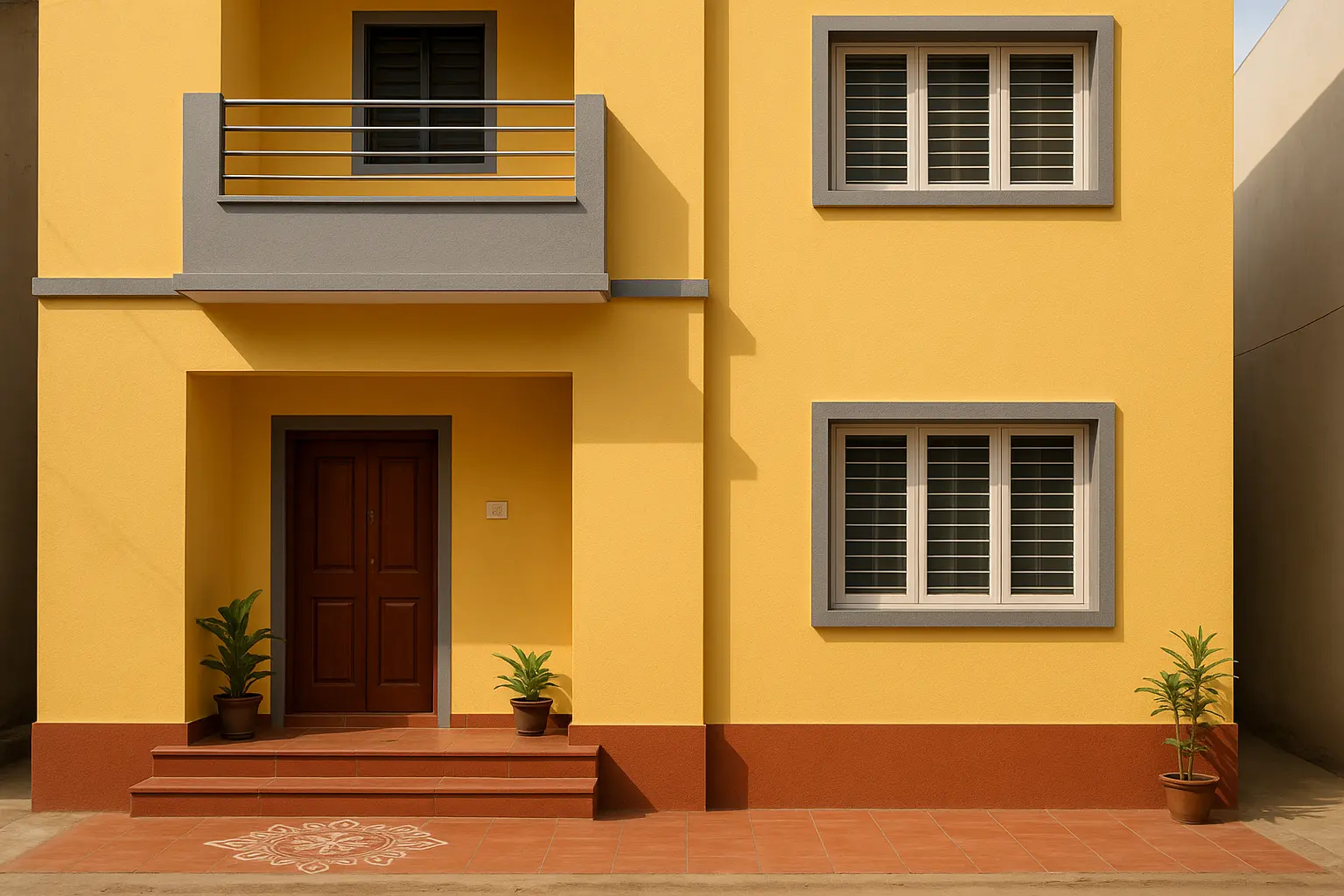
  • Turmeric yellow, which symbolises prosperity, positivity and celebration
  • Kolam white or soft off-white, offering purity and balance
  • Terracotta red, reflecting earth, tradition and warmth
  • Sugarcane green, inspired by harvest fields and abundance

For modern homes, these colours can be softened or muted to suit contemporary interiors. Instead of bold saturation across all walls, use them selectively either as accent walls or within smaller spaces to maintain elegance without overwhelming the room.

Modern Wall Painting Techniques

Modern painting techniques allow you to reinterpret traditional colours in a clean, stylish way. These methods are simple enough for homeowners to try themselves, yet impactful enough to transform the look of a space.

Instead of repainting an entire room, focus on visual interest through thoughtful application. This keeps the project manageable while delivering strong festive appeal.

Some easy and effective painting techniques include:

  • Colour blocking, using two complementary Pongal shades on the same wall
  • Subtle accent walls, where one festive hue anchors the room
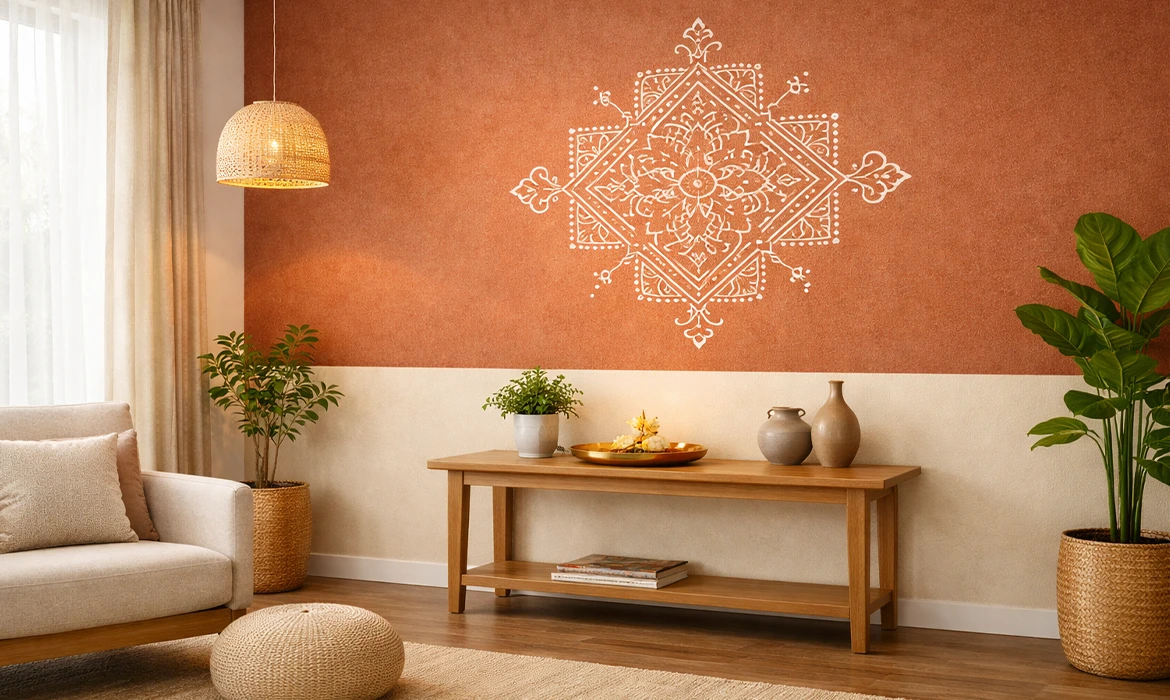
  • Geometric patterns, inspired by symmetry often seen in kolam designs
  • Painted borders or panels, creating structure and elegance
Traditional Meets Modern Pongal Wall Painting Ideas
These techniques work particularly well in living rooms, dining areas and entryways spaces that naturally become gathering points during Pongal celebrations. Using clean lines and minimal patterns helps maintain a modern aesthetic while still celebrating tradition.

Kolam-Inspired Wall Designs

Kolams are one of the most recognisable and meaningful elements of Pongal décor. Traditionally drawn on floors using rice flour, their symmetry and symbolism can be beautifully adapted into wall designs through paint.

Painting kolam-inspired patterns on walls offers a longer-lasting alternative while adding a unique focal point to interiors. This approach works especially well for accent corners, pooja rooms, or dining walls.

You can recreate kolam motifs by:

  • Using stencils for clean, repeatable patterns
  • Painting freehand designs for a more artistic, personal touch
  • Choosing neutral base colours with white or soft contrast detailing
  • Keeping patterns minimal to maintain a contemporary feel
Traditional Meets Modern Pongal Wall Painting Ideas

Rather than replicating large, complex kolams, focus on simplified motifs dots, curves, or borders that echo traditional designs without dominating the space. The result feels festive, artistic and thoughtfully modern.

Prep & Paint Smartly

Even the most beautiful colour or design can fall short without proper preparation. Smart prep ensures that your Pongal paint project not only looks good but also lasts beyond the festive season.

Before you begin painting, take time to prepare the surface. This step is especially important if you’re painting close to festival time and want neat, professional-looking results.

Key preparation steps include:

  • Cleaning walls to remove dust, grease, or moisture
  • Filling cracks or uneven areas for a smooth finish
  • Applying primer to improve paint adhesion and colour accuracy
  • Using painter’s tape to protect edges, switches and borders

Choosing quick-drying, low-odour interior paints makes the process easier, especially in occupied homes. Good preparation also reduces the need for frequent touch-ups, ensuring your festive walls remain fresh and vibrant.

Traditional Meets Modern Pongal Wall Painting Ideas

Style for a Festive Finish

Once the paintwork is complete, styling brings everything together. The right décor enhances wall colours and transforms them into a festive setting that feels warm, welcoming and authentic.Pongal décor traditionally celebrates nature and craftsmanship, making natural materials the perfect companion to painted walls.To complete the look:
  • Add brass or copper décor to reflect warmth and tradition
  • Use earthen pots, sugarcane elements, or clay lamps as accents
  • Incorporate fresh flowers and banana leaves for natural vibrancy
  • Layer cotton or linen fabrics in cushions and runners
Traditional Meets Modern Pongal Wall Painting Ideas

Lighting also plays a key role. Warm lighting enhances earthy and golden tones, making walls appear richer and more inviting. Together, paint and décor create a harmonious festive environment that feels thoughtfully curated rather than overdone.

Conclusion

Blending tradition with modern design is what makes today’s Indian homes truly special. With Pongal wall painting ideas, you don’t need elaborate renovations to make your home festive-ready. Thoughtful colour choices, simple techniques and meaningful styling can transform everyday walls into expressions of culture and creativity.

With Indicus Paints, achieving this balance becomes effortless. A carefully curated range of shades and finishes, designed for Indian homes. This Pongal, let your walls tell a story, one that celebrates heritage while embracing modern living. With a little planning and creativity, your home can welcome the harvest season with warmth, elegance and pride.

Indicus Low VOC Paints: A Sustainable Choice for Interior & Exterior Walls

Indicus Low VOC Paints: A Sustainable Choice for Interior & Exterior Walls

In today’s world, sustainability is a priority, and choosing eco-friendly products for your home is more important than ever. When it comes to painting your walls, selecting paints that are both durable and environmentally conscious can make a significant difference. Indicus Low VOC Paints stand out as a top choice for homeowners who are committed to sustainability without compromising on quality.

VOC, or volatile organic compounds, are harmful chemicals found in many traditional paints. They can contribute to indoor air pollution and have adverse effects on health. Indicus Paints, with their Low VOC formulations like Resilio Exterior Emulsion and Admyra Interior Emulsion, provide an eco-friendly alternative. These paints offer a sustainable solution for creating beautiful and safe living spaces while being gentle on the environment.

In this blog, we’ll explore how Indicus Low VOC paints are a great choice for both your interior and exterior walls, offering long-lasting beauty, durability, and eco-friendliness.

What is Low VOC Paint?

Low VOC paints are specially formulated to reduce the amount of harmful chemicals released into the air during and after the painting process. VOCs can cause various health issues, including respiratory problems, headaches, and skin irritation. By choosing Low VOC paints, you contribute to better indoor air quality and a healthier environment.

The major benefits of Low VOC paints include:

  • Safer air quality: Reduces the presence of toxic chemicals in your home.
  • Minimal environmental impact: Helps to reduce the environmental footprint of the products used in your home.

Why Choose Indicus Low VOC Paints?

Indicus Paints offers an impressive range of Low VOC paints designed to deliver stunning results while prioritising health and sustainability. Two of the most popular products in this range are Resilio Exterior Emulsion and Admyra Interior Emulsion. Let’s explore the features and advantages of both paints.

1. Resilio Exterior Emulsion: Durability Meets Sustainability

When it comes to painting your home’s exterior, durability and protection are paramount. The Resilio Exterior Emulsion is designed to withstand various weather conditions while offering a Low VOC formulation. It’s the ideal choice for eco-conscious homeowners who don’t want to compromise on performance.

Key Features:

  • Low VOC Formula: Provides a healthier alternative to traditional exterior paints.
  • Weather-resistant: Offers excellent resistance to rain, sun, and temperature fluctuations, ensuring long-lasting performance.
  • UV Protection: Helps prevent fading and discoloration caused by the sun’s harmful UV rays.
  • Superior Coverage: A single coat is often sufficient to cover surfaces, making it a cost-effective option.
  • Easy Maintenance: Resilio smooth finish makes it easier to clean and maintain, ensuring your home always looks fresh.

Why It’s Perfect for Exterior Walls:

The Resilio Exterior Emulsion is perfect for any exterior surface, including concrete, plaster, and masonry. Its Low VOC formulation makes it suitable for family homes, where air quality is important, and it also meets the growing demand for eco-friendly building materials.
Eco Choice Indian Homes

2. Admyra Interior Emulsion: Beautiful Walls, Healthy Homes

For your interior walls, Admyra Interior Emulsion offers the perfect balance of sustainability and high performance. This paint is specifically formulated for interior surfaces, providing a smooth, lustrous finish that enhances the aesthetics of your home while being easy on the environment.

Eco Choice Indian Homes

Key Features:

  • Low VOC Content: Ensures a healthier indoor environment by reducing the amount of harmful chemicals released into the air.
  • Smooth Finish: Provides a flawless, high-gloss finish that enhances the beauty of your walls.
  • Durability: Resistant to stains and scratches, making it ideal for high-traffic areas.
  • Easy to Clean: The smooth, high-quality finish allows for easy maintenance and cleaning, keeping your walls looking pristine.
  • Range of Colours: Admyra comes in a wide range of beautiful colours to suit your style and home décor needs.
Eco Choice Indian Homes

Why It’s Perfect for Interior Walls:

Admyra’s formulation ensures long-lasting colour retention, which means that your walls will stay fresh and vibrant for longer. Its Low VOC content ensures that you can safely apply it in bedrooms, living rooms, kitchens, or any area where your family spends time. This makes Admyra an ideal choice for those seeking both aesthetic appeal and a health-conscious option.

3. Benefits of Choosing Indicus Low VOC Paints

By choosing Indicus Low VOC paints for your home, you’re not just making a style choice, you’re also making a responsible decision for the environment and your well-being.

Key Benefits:

  • Healthier Home Environment: Low VOC paints reduce the release of toxic chemicals, making your home safer for children, pets, and everyone who resides in it.
  • Sustainable: By opting for eco-friendly paints like Indicus, you’re helping to reduce the overall environmental impact associated with traditional paint products.
  • Superior Finish: Both Resilio and Admyra offer smooth, durable finishes that add a premium look to your walls while ensuring the longevity of your paint job.
  • Fewer Chemicals: The reduction of VOCs and other chemicals in these paints means fewer harmful, improving air quality and reducing indoor pollution.
  • Cost-effective: The long-lasting nature of Indicus paints ensures that you don’t need to repaint your walls as often, which ultimately saves you time and money.
Eco Choice Indian Homes

How to Use Indicus Low VOC Paints Effectively

To get the best results with Indicus Resilio Exterior Emulsion and Admyra Interior Emulsion, follow these simple tips:

  • Preparation is Key: Before applying any paint, make sure the surface is clean and smooth. For exteriors, make sure that any grime, dirt, or mildew is removed. For interiors, ensure the walls are dust-free and prepped for painting.
  • Use High-Quality Brushes and Rollers: For an even coat, use brushes and rollers suited to the type of paint you’re applying. A good-quality roller will help you achieve the smooth finish that both Admyra and Resilio are known for.
  • Apply Multiple Coats if Needed: Though both paints offer excellent coverage, depending on the surface and previous wall colour, you might need to apply a second coat for the best results.
  • Allow Adequate Drying Time: Let each coat dry properly before applying another layer. Indicus paints offer quick drying times, but patience ensures a better finish.
Eco Choice Indian Homes

Choosing Indicus Low VOC Paints like Resilio Exterior Emulsion and Admyra Interior Emulsion for your home’s walls ensures you’re making a sustainable, eco-friendly decision while maintaining a premium finish. These paints offer durability, ease of application, and long-lasting beauty while ensuring that your indoor and outdoor spaces remain safe and healthy.

Whether you’re painting your home’s exterior to withstand the elements or refreshing your living room walls with a beautiful sheen, Indicus Paints provides the perfect solution. Choose Indicus Resilio for your exteriors and Indicus Admyra for your interiors and enjoy the perfect blend of performance and eco-friendliness.

Explore Indicus Paints today to find the ideal low VOC paint that fits your needs. Embrace a healthier, more sustainable home while adding a professional touch to your spaces.

Chettinad-Inspired Exterior Colours: Transforming Your Home’s Aesthetic

Chettinad-Inspired Exterior Colours: Transforming Your Home’s Aesthetic

The Chettinad region of Tamil Nadu is renowned for its rich cultural heritage, stunning architecture, and traditional design elements. The Chettinad style is a blend of history, opulence, and artistry, known for its luxurious aesthetics and use of rich, earthy tones. When it comes to designing the exterior of your home, Chettinad-inspired colours bring warmth, elegance, and a sense of history to your living space.

Incorporating Chettinad-inspired exterior colours into your home can transport you to the heart of South India, where nature, tradition, and architecture come together in beautiful harmony. These colours not only make your home look visually striking but also reflect a rich cultural legacy that is both timeless and sophisticated. From the deep hues of terracotta to the warm golds and vibrant reds, Chettinad-inspired colours offer a unique way to add personality and elegance to your exterior.

In this blog, we’ll explore how you can use Chettinad-inspired exterior colours to transform your home’s aesthetic, creating a striking yet welcoming atmosphere that reflects both cultural heritage and contemporary style.

1. Rich Earthy Tones: Embracing Natural Warmth

Chettinad-inspired homes often feature a blend of earthy tones, which help to connect the architecture with the natural surroundings. These colours are deeply rooted in nature, offering a sense of warmth, richness, and earthiness that is both timeless and welcoming.

Key Colours:

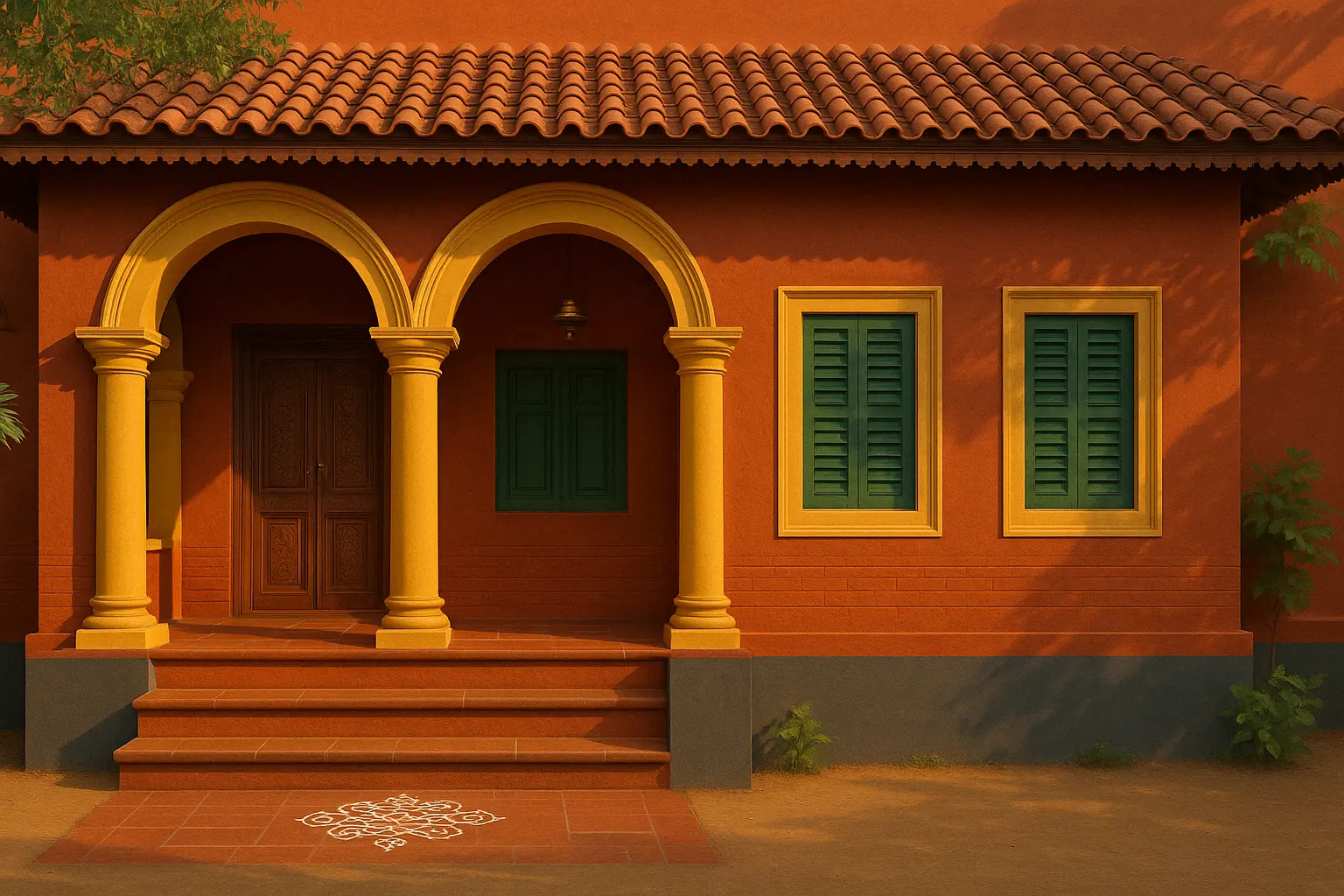
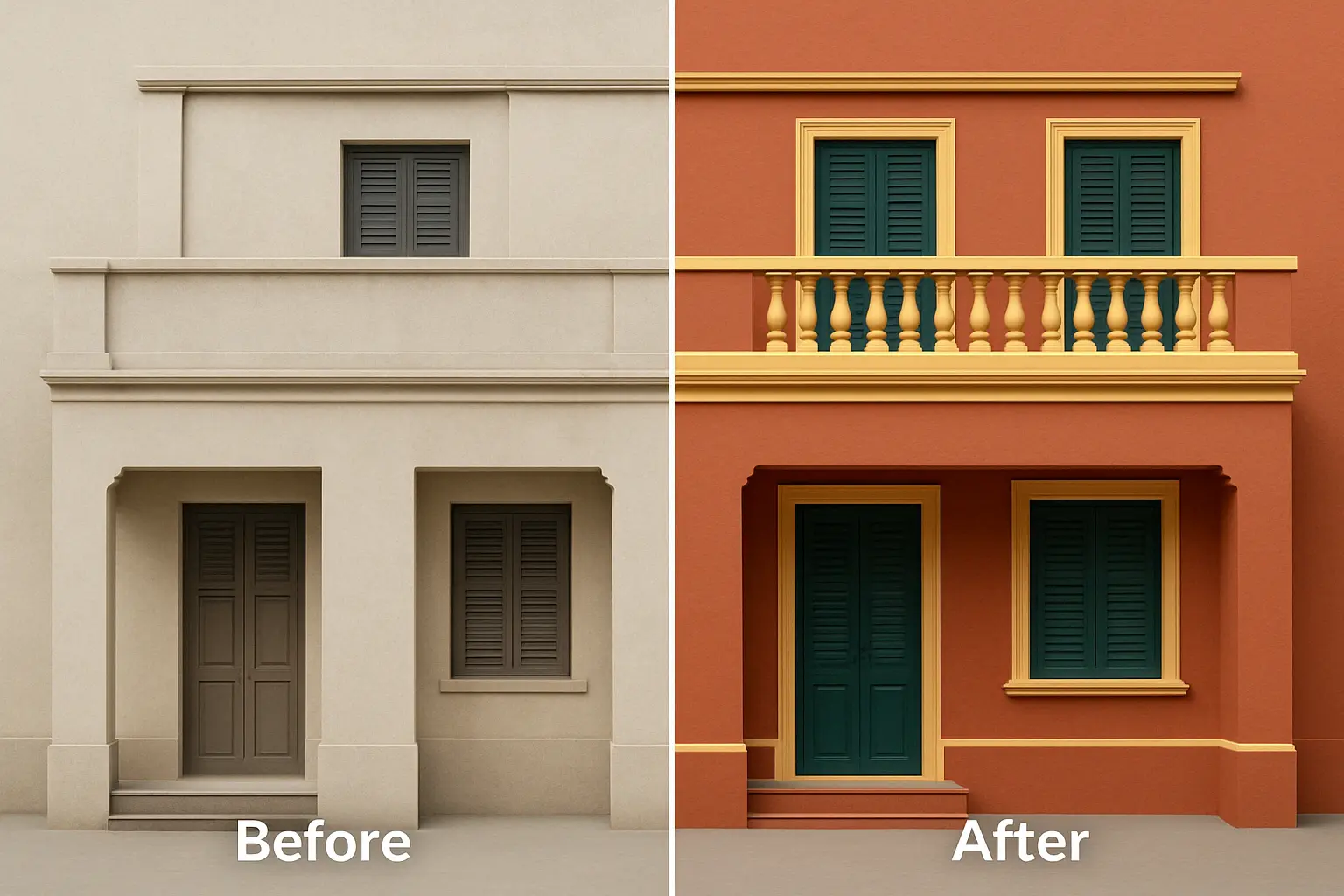
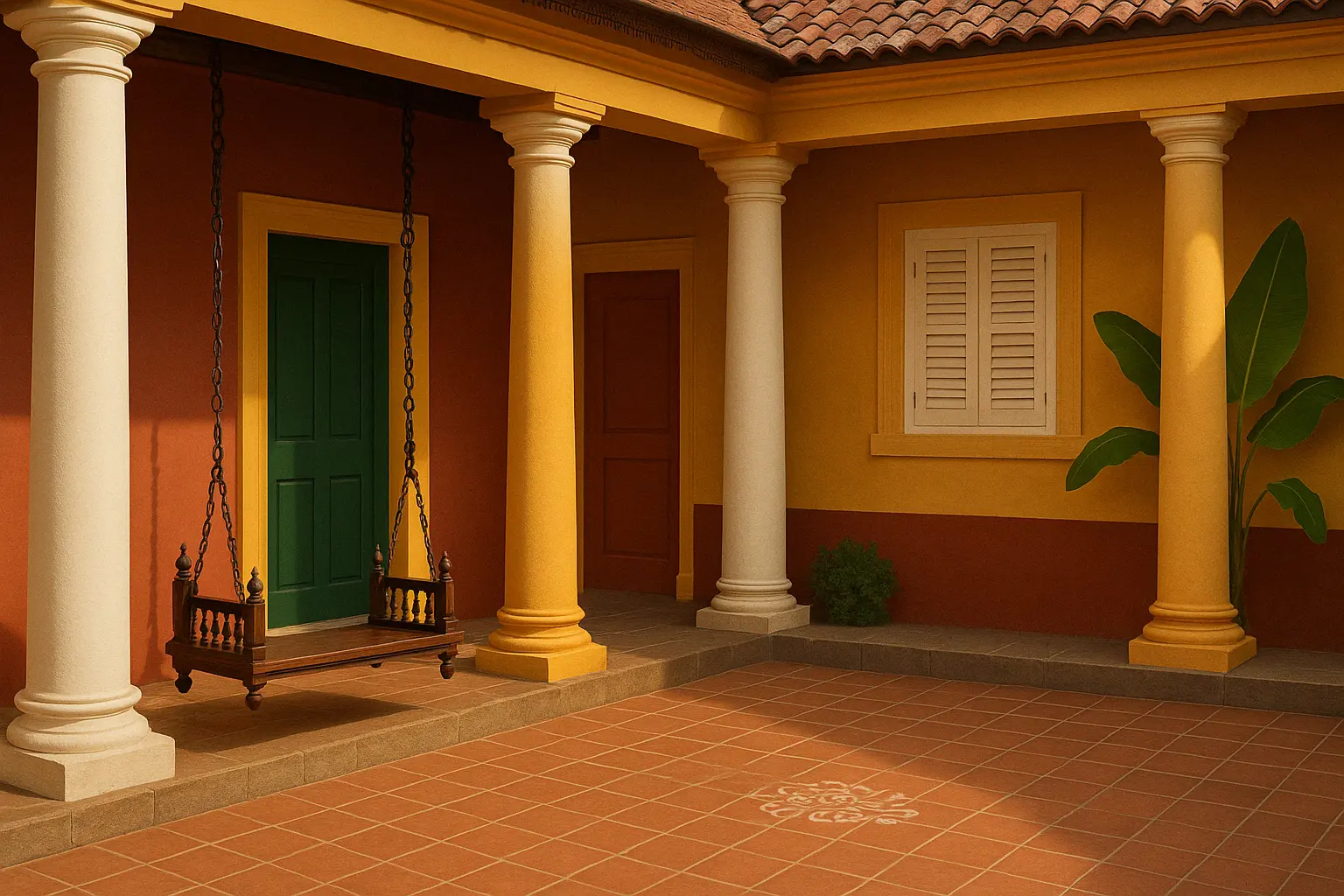
  • Terracotta: The deep, burnt orange of terracotta is a hallmark of Chettinad-inspired exteriors. It is often used for large walls or accent features, giving the home an earthy, grounded feel.
  • Rustic Red: A vibrant yet earthy shade that complements traditional materials like wood and stone, rustic red is often used for doors, window trims, or to highlight architectural details.
  • Ochre Yellow: A warm, golden yellow that brings brightness and cheer to the exterior. Ochre is perfect for accentuating the edges of the house or for decorative elements like pillars or trims.

These rich, natural colours reflect the environment and evoke a sense of harmony with the earth, making them ideal for homes that want to establish a warm and inviting presence.

How to Style It:

  • Use terracotta or rustic red on the main façade to give your home an elegant, welcoming look.
  • Ochre yellow can be used on smaller features like window frames or door trims to add brightness without overwhelming the overall aesthetic.
  • Indicus Paints shades like Amber Sunset or Redwood are perfect for creating the earthy, rich look of Chettinad style exteriors.
Chettinad-Inspired Exterior Colours: Transforming Your Home’s Aesthetic

2. Golden Hues: Adding a Touch of Luxury

The Chettinad style also embraces golds and yellows, giving it an air of opulence and luxury. These shades are often used for accentuating the grand, historical elements of the architecture, such as columns, arches, and decorative details.

Key Colours:

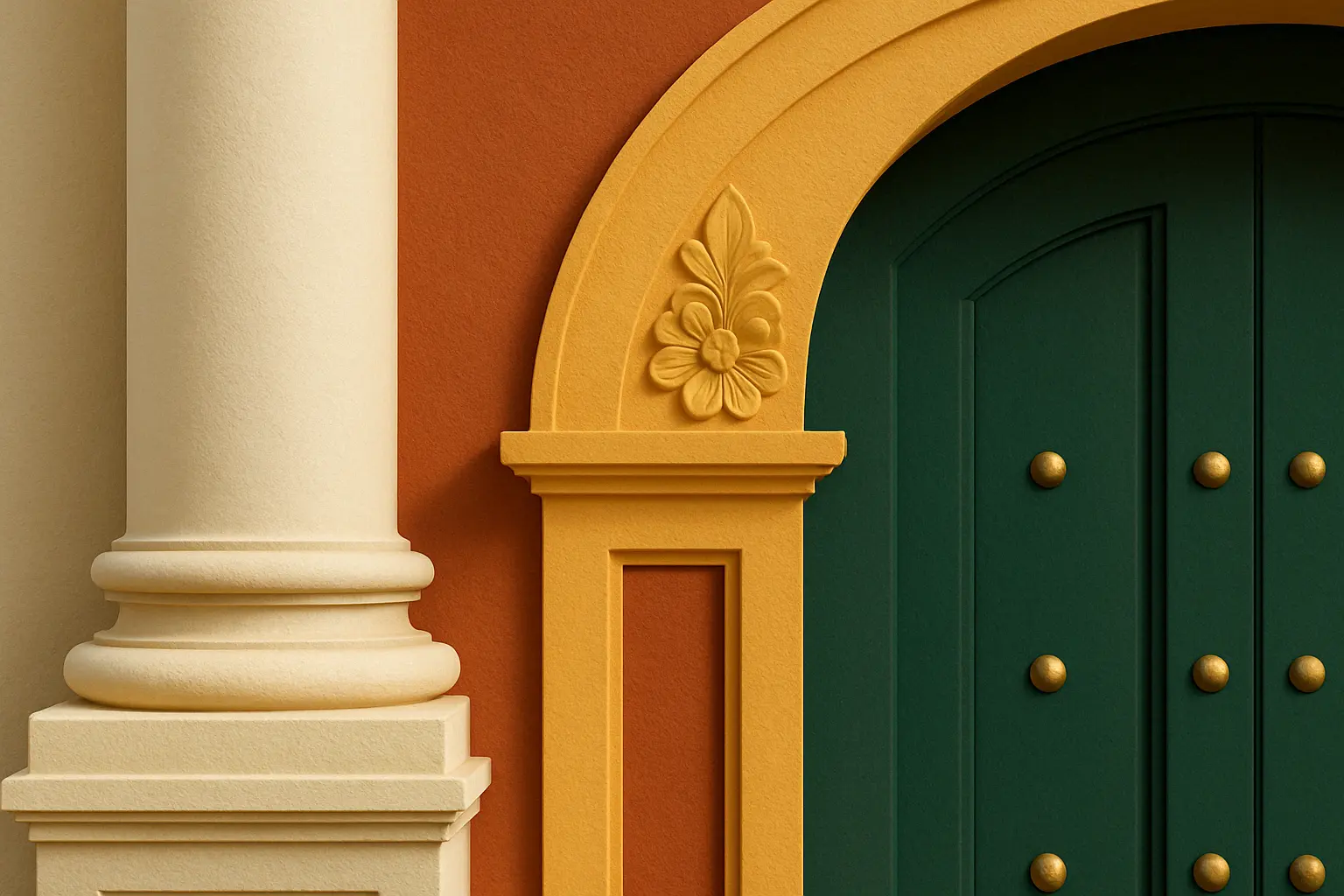
  • Golden Ochre: This colour combines the richness of gold with the warmth of ochre, creating a vibrant yet refined look. It is often used in palaces and temples, making it a perfect choice for homeowners looking to add a regal touch to their exteriors.
  • Warm Gold: A brighter, more radiant shade of gold, this colour is often used in detailing and architectural features, bringing an elevated, royal aesthetic to the home.

How to Style It:

  • Consider using golden ochre for the main exterior walls if you want to make a bold statement.
  • Use warm gold for detailing such as trims, arches, or columns to accentuate the grandeur of the house.
  • For a traditional look with a modern twist, combine gold with terracotta or rustic red.

With Indicus Paints, you can achieve these opulent finishes with shades like Golden Harvest and Sunlit Gold that perfectly mimic the luxurious feel of Chettinad-inspired homes.

Chettinad-Inspired Exterior Colours: Transforming Your Home’s Aesthetic

3. Deep Green and Browns: Reflecting Nature’s Serenity

Incorporating deep green and brown tones into your exterior colour palette is another essential characteristic of Chettinad-inspired design. These colours, which are found in the lush landscapes and agricultural surroundings of the region, bring a sense of calm, serenity, and balance to the home.

Key Colours:

  • Deep Green: A rich, dark green evokes the natural beauty of the surrounding flora and brings a refreshing, organic touch to the exterior.
  • Brown and Taupe: Soft, earthy browns and taupes are used to add texture and depth to the exterior, complementing the natural materials like stone or wood commonly used in Chettinad architecture.

How to Style It:

  • Deep green can be used for doors, shutters, or smaller elements of the exterior to contrast with the warm tones of the main walls.
  • Pairing brown and taupe with warm yellows or reds gives a perfect balance of modernity and tradition while reflecting nature’s calmness.
  • Consider using Indicus Paints shades like Crisp Mint or Moss Green for the perfect nature-inspired, serene effect.
Chettinad-Inspired Exterior Colours: Transforming Your Home’s Aesthetic

4. Accentuating Architectural Features

The beauty of Chettinad architecture lies not just in the colours but also in the architectural features, from intricate columns to arches, window grills, and door frames. Accentuating these features with bold colours can enhance the aesthetic appeal of your home and draw attention to the historical richness of the design.

Key Colours:

  • Ivory White: A classic and versatile choice, ivory white brings contrast to darker shades and makes architectural features stand out. It’s often used for pillars, arches, and intricate detailing.
  • Muted Beige and Cream: These neutral tones balance out the warmth of red and yellow, creating a sophisticated contrast that highlights the architectural elements without overwhelming them.

How to Style It:

  • Use ivory white or muted cream to highlight windows, doors, and decorative features like railings or trim.
  • Pair beige or cream with warmer colours like terracotta for a refined yet rustic look.

Indicus Paints provides a range of elegant neutral tones such as Ivory Silk and Beige Whisper that are perfect for these architectural accents.

Chettinad-Inspired Exterior Colours: Transforming Your Home’s Aesthetic

5. Balancing Bright and Neutral Tones

While the rich tones of terracotta, gold, and green dominate Chettinad-inspired exteriors, it’s also important to balance these vibrant colours with neutral shades. This helps maintain harmony and prevents the exterior from feeling too overwhelming.

Key Colours:

  • Off-Whites: Soft off-whites like Ivory Silk or Linen White can serve as the perfect backdrop for bolder tones, allowing them to shine without clashing.
  • Muted Greys: For a more contemporary take, adding muted grey tones to your exterior can create a balanced aesthetic, especially when paired with traditional warm colours.

How to Style It:

  • Use neutral off-whites or muted greys on the main façade to ground the space, while adding deep red or gold accents to architectural features.
  • Create a layered look by using neutral tones for larger areas like the walls, with bold tones for smaller features like doors, windows, and trim.
Chettinad Colour Swatch on Architecture.

Chettinad-inspired colours are the perfect way to infuse your home’s exterior with history, warmth, and character. Whether you prefer the earthy richness of terracotta and mahogany, the luxurious golds of traditional architecture, or the tranquil greens that reflect nature’s beauty, Chettinad tones offer a wide range of options to transform your home into a cultural masterpiece.

By using Indicus Paints premium shades such as Amber Sunset, Golden Harvest, and Ivory Silk, you can easily achieve the perfect Chettinad-inspired look that blends traditional beauty with modern elegance.

Ready to embrace the timeless charm of Chettinad-inspired colours? Explore Indicus Paints and create a stunning home that reflects both heritage and contemporary style.