You are using an outdated browser. Please upgrade your browser to improve your experience.

How to Choose the Right Paint Colours for Different Office Spaces

How to Choose the Right Paint Colours for Different Office Spaces

The right paint colours can make a significant difference in your office environment, influencing everything from mood and productivity to aesthetics and brand identity. A thoughtfully designed colour scheme not only enhances the visual appeal of your office but also creates an environment that inspires employees and impresses clients.

This guide explores how to choose the perfect paint colours for different office spaces, from reception areas to break rooms, ensuring every corner of your office serves its purpose beautifully.
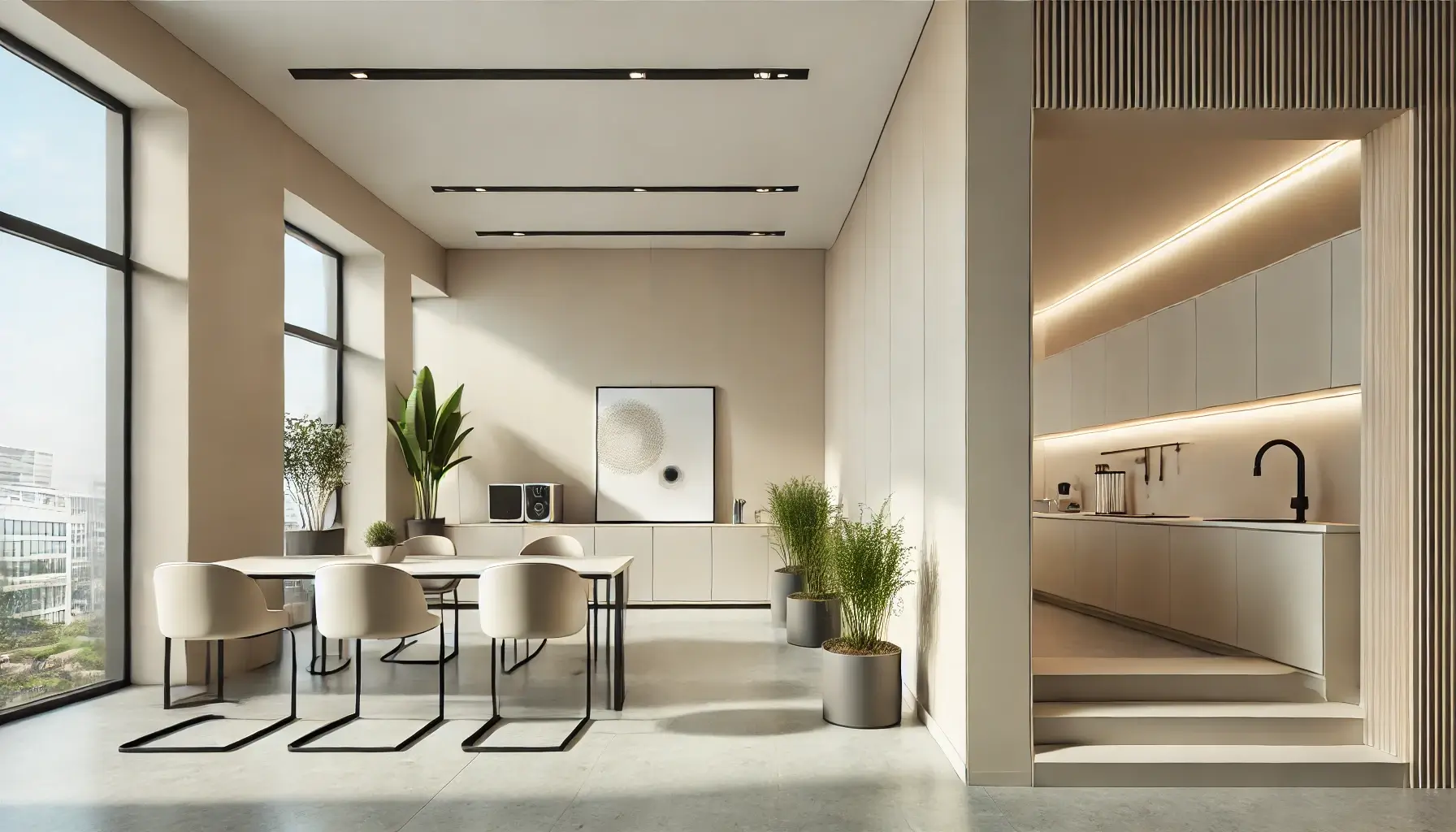
painted walls prominently in a modern office kitchen

1. Understanding the Purpose of Different Office Spaces

Each office space serves a unique function, and the right colours can amplify its effectiveness.

Reception Areas: Creating a Welcoming and Professional First Impression

The reception area is the face of your office and should create an inviting atmosphere while reflecting your brand’s identity. Neutral tones like soft greys or off-whites paired with bold accents such as deep navy or green can convey professionalism and warmth.

Workspaces: Boosting Productivity and Reducing Eye Strain

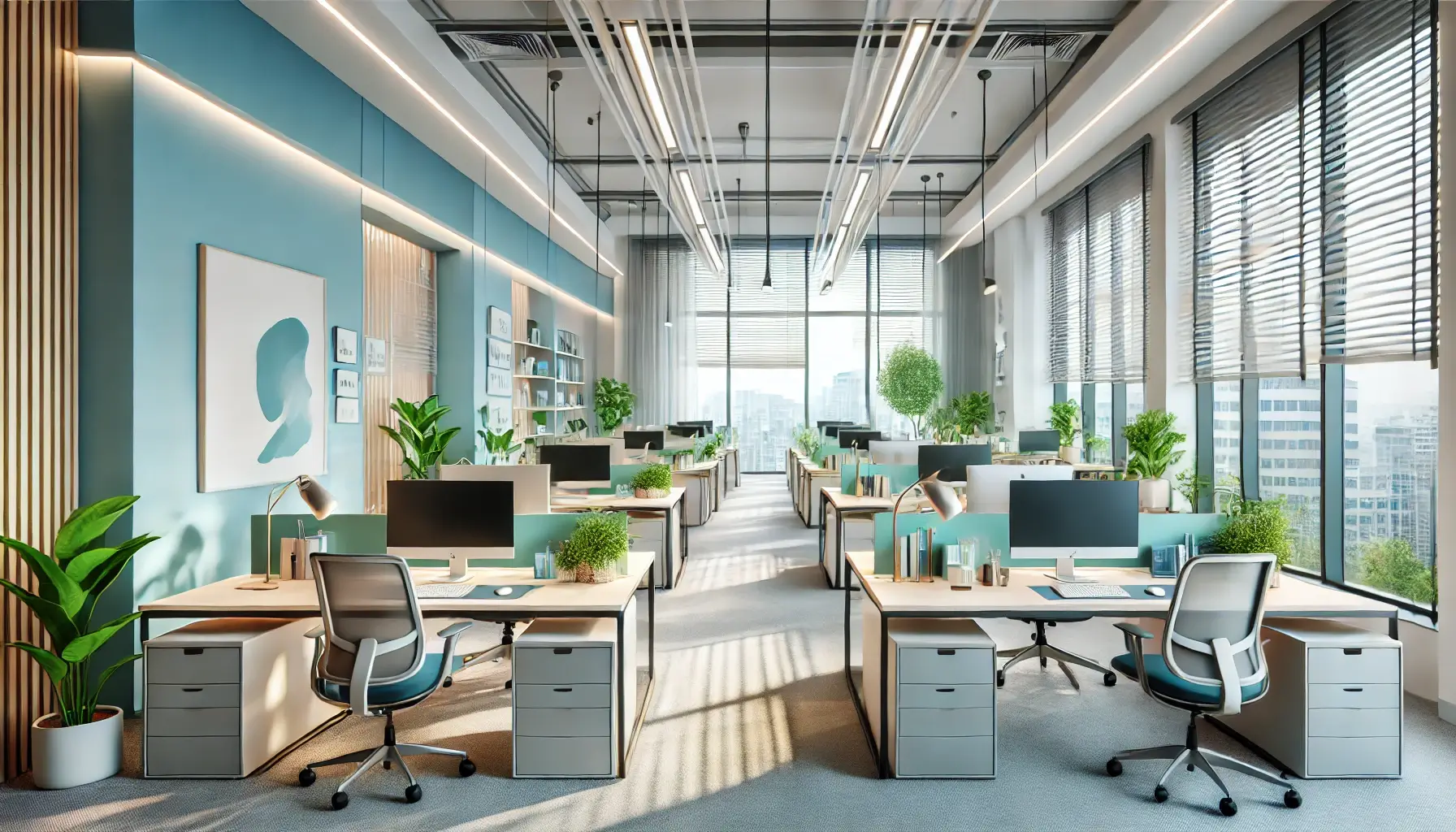
In workspaces, colours play a crucial role in maintaining focus and reducing stress. Blues and greens are ideal for promoting calm and concentration, while soft neutrals create a harmonious backdrop. Avoid overly bright colours, which can be distracting.

Conference Rooms: Encouraging Collaboration and Focus

Conference rooms benefit from balanced colours that inspire creativity and collaboration. Greys and blues provide a professional and focused environment, while subtle pops of yellow can stimulate innovative thinking.

Break Rooms: Promoting Relaxation and Rejuvenation

Break rooms are spaces to unwind, and their colours should promote relaxation. Warm, cheerful tones like light yellow, orange, or pastel green can create an uplifting vibe, making employees feel energised and refreshed.
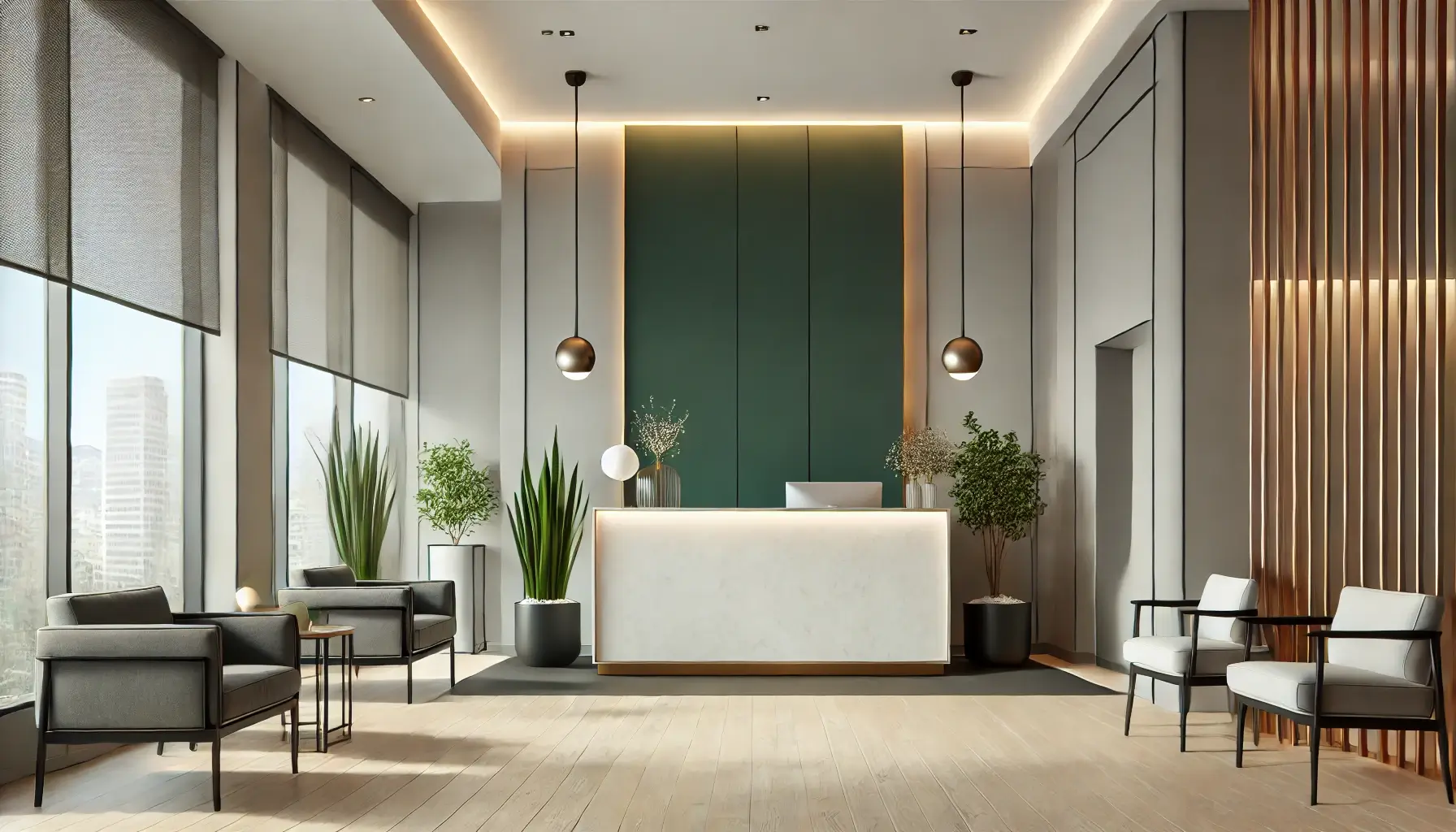
modern reception area

2. Key Factors to Consider When Choosing Paint Colours

Selecting the right colours requires more than aesthetics—it’s about understanding the needs of your office and its surroundings.

Lighting Conditions

Lighting significantly affects how colours appear. Offices with ample natural light can handle cooler tones, while darker spaces may benefit from warm, light-reflecting hues to make them feel brighter.

Brand Identity

Your office’s colours should align with your brand’s personality. A tech company might opt for bold, innovative hues, while a law firm may lean towards timeless neutrals that convey trust and professionalism.
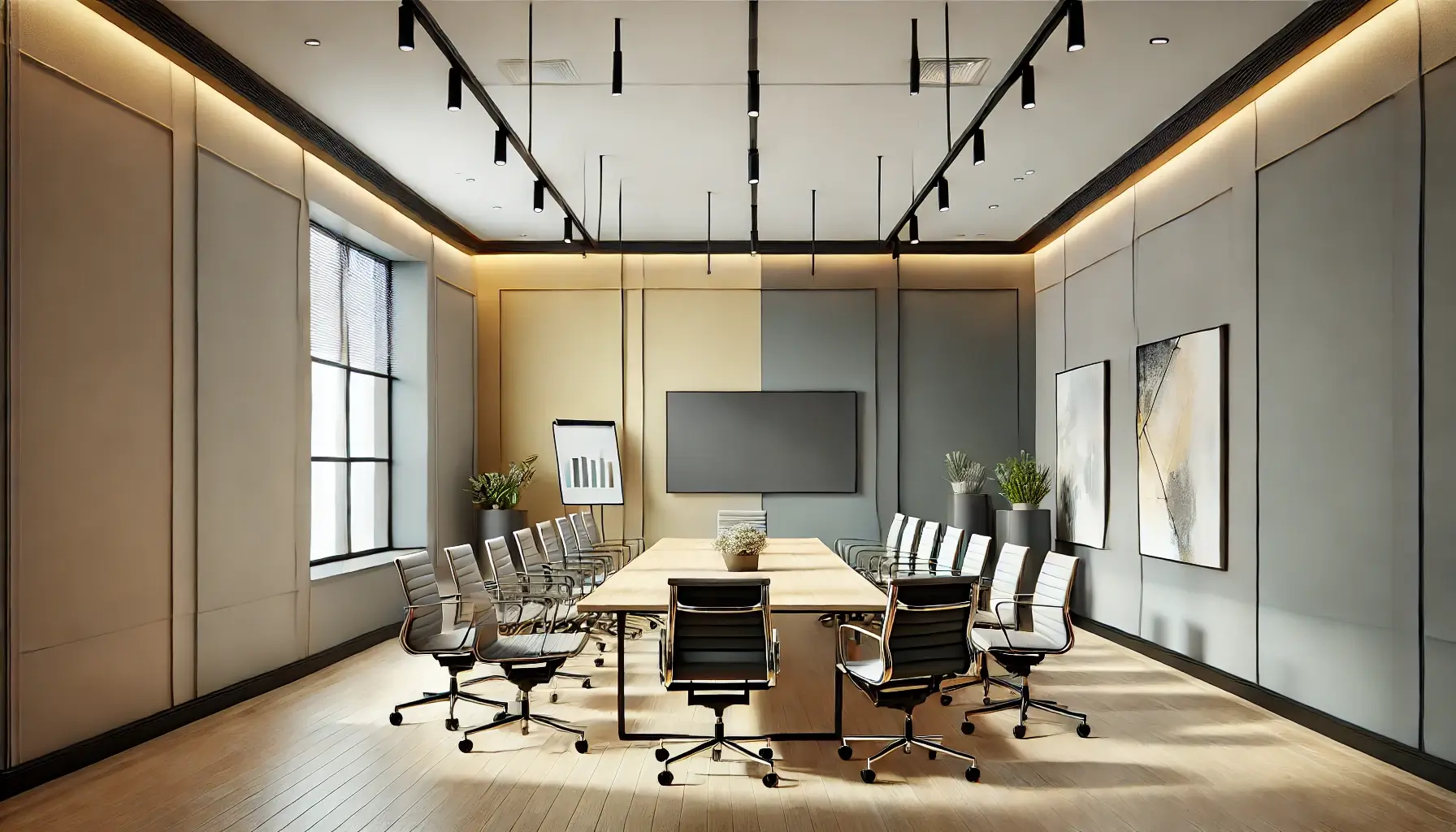
professional conference room

3. Choosing Paint Colours for Productivity and Mood

Calming Tones for Focus

Blues, greens, and neutrals are perfect for individual workspaces where concentration is key. These tones reduce stress and create a focused environment.

Energising Colours for Creativity

Bright yellows, oranges, and coral hues are excellent for creative departments or brainstorming areas. These colours stimulate energy and enthusiasm.

Neutral and Versatile Options

Shades like white, grey, and beige offer versatility and modern minimalism. These neutral palettes create a professional look while allowing flexibility with accent décour.
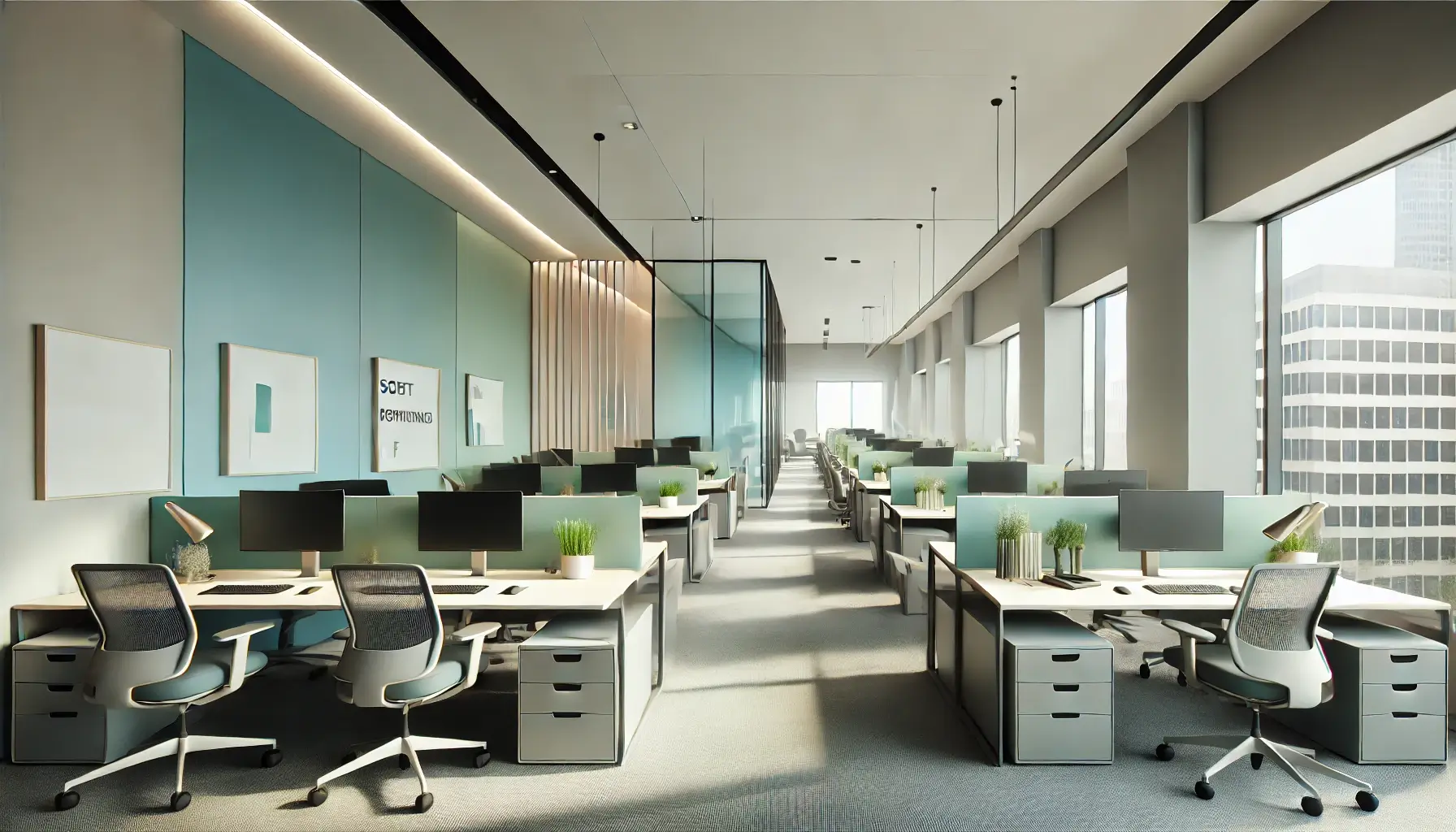
painted wall surfaces

5. Final Tips for Office Paint Colour Selection

  • Consult Professionals: Work with architect to develop a cohesive colour scheme that aligns with your office’s purpose and style.
  • Test Swatches: Apply test patches on walls to see how colours look under various lighting conditions throughout the day.
  • Prioritise Quality: Invest in high-quality paints that are durable, easy to maintain, and resistant to wear and tear.

Conclusion

Choosing the right paint colours for your office spaces is an art that blends functionality with aesthetics. From calming workspaces to energising break rooms, the right colours can influence mood, productivity, and the overall atmosphere. By understanding the purpose of each space and considering factors like lighting, durability, and brand identity, you can create a cohesive and inspiring work environment.

For premium paints and expert advice, explore Indicus Paints. With a wide range of high-quality products tailored for office spaces, Indicus Paints ensures your office looks as professional as it feels productive.
5 Common Exterior Painting Mistakes and How to Avoid Them

5 Common Exterior Painting Mistakes and How to Avoid Them

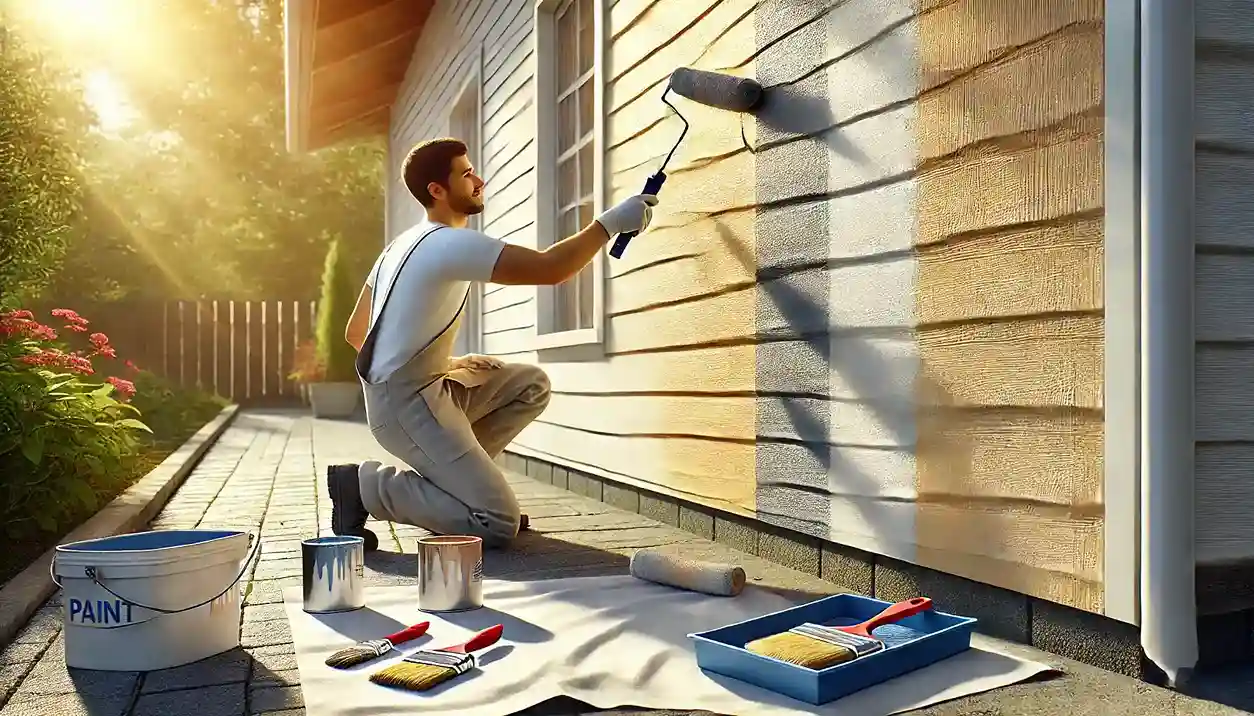
Exterior painting is more than just adding colour to your home—it’s about protecting your walls from the elements and enhancing curb appeal. A well-executed exterior paint job can increase the longevity of your home’s façade while creating a polished, inviting aesthetic. However, achieving a flawless finish requires careful planning and execution. Common mistakes during exterior painting can lead to uneven coverage, peeling paint, and wasted time and effort.

In this guide, we’ll discuss the five most common exterior painting mistakes and provide expert tips on how to avoid them for a durable, professional finish.

Why Exterior Painting is Essential for Durability and Aesthetics

Exterior painting acts as a protective layer for your home, shielding it from harsh weather conditions, moisture, and UV rays. A high-quality paint job prevents cracking, fading, and structural damage caused by prolonged exposure to the elements. Beyond protection, exterior paint enhances your home’s aesthetic appeal, boosting its value and creating a welcoming first impression.

Skipping key steps or making mistakes during the painting process can compromise these benefits, making it essential to approach the project with the right knowledge and tools.

1. Skipping Surface Preparation

One of the biggest mistakes homeowners make is neglecting proper surface preparation before painting. Dirt, grease, cracks, and peeling paint create an uneven surface that prevents new paint from adhering properly. This can lead to premature chipping, bubbling, or peeling, reducing the durability of your paint job.

How to Avoid:

  • Clean the Surface: Use a pressure washer to remove dirt, grime, and mildew. Allow the surface to dry thoroughly before proceeding.
  • Repair Cracks and Damage: Fill in cracks and holes with exterior-grade filler. Sand rough areas to create a smooth base.
  • Remove Old Paint: Scrape away loose or peeling paint and sand the edges to blend seamlessly with the surface.
use of professional tools and techniques

2. Ignoring Weather Conditions

Exterior painting is highly sensitive to weather conditions. Painting on days with high humidity, extreme heat, or impending rain can compromise the finish, leading to uneven drying or peeling. Temperature fluctuations also impact paint adhesion, affecting the longevity of the job.

How to Avoid:

  • Check the Forecast: Choose a day with mild temperatures (between 10–30°C) and low humidity. Avoid painting on windy days as it can cause dust and debris to stick to the wet paint.
  • Plan for Drying Time: Ensure there are no rain forecasts for at least 24–48 hours after painting.
  • Work in Shade: Paint areas of your home that are not directly exposed to the sun during the hottest part of the day to prevent uneven drying.

3. Applying Inadequate Coats of Paint

Applying too few coats of paint is a common mistake that leads to poor coverage, streaking, and visible brush marks. A single coat often fails to provide sufficient protection against weather damage or create a uniform appearance.

How to Avoid:

  • Prime the Surface: Use a high-quality exterior primer before applying paint, especially on porous or previously unpainted surfaces.
  • Apply Multiple Coats: Two coats of paint are typically required for even coverage and durability. Allow each coat to dry completely before applying the next.
  • Choose the Right Paint: Invest in weather-resistant exterior paints that provide better coverage and longevity.

4. Neglecting Post-Painting Maintenance

After completing the painting project, many homeowners overlook maintenance, leading to early deterioration of the paint job. Without periodic touch-ups, the paint can fade, peel, or become damaged by weather conditions.

How to Avoid:
  • Inspect Regularly: Check for cracks, peeling, or damage, especially after harsh weather, and address issues promptly.
  • Clean the Surface: Wash the painted surface annually to remove dirt and prevent mildew buildup.
  • Protect the surface: Prevent any damage to the paint film by sharp objects, overgrowth of plants or trees, etc.
importance of checking weather conditions

5. Using the Wrong Tools or Techniques

Improper tools or painting techniques can result in uneven coverage, drips, and a patchy finish. For instance, using the wrong brush or roller can leave streaks or miss hard-to-reach areas.

How to Avoid:
  • Choose Quality Tools: Use high-quality brushes, rollers, or spray equipment designed for exterior painting.
  • Apply Even Strokes: Work in smooth, consistent strokes, starting from the top and moving downwards.
  • Follow Manufacturer Guidelines: Always adhere to the paint manufacturer’s instructions for application and drying times.

How to Avoid These Mistakes

Avoiding these mistakes requires careful planning, the right tools, and an understanding of the painting process. Here are some pro tips for a flawless exterior painting experience:

  1. Invest in Premium Paints and Primers: High-quality products are more durable and provide better coverage.
  2. Test Colours First: Apply a small patch to ensure the colour matches your expectations under natural light.
  3. Work in Sections: Divide the project into manageable areas to maintain consistency and prevent fatigue.
  4. Hire Professionals: For large or complex projects, consider hiring experienced painters to ensure a polished, long-lasting result.
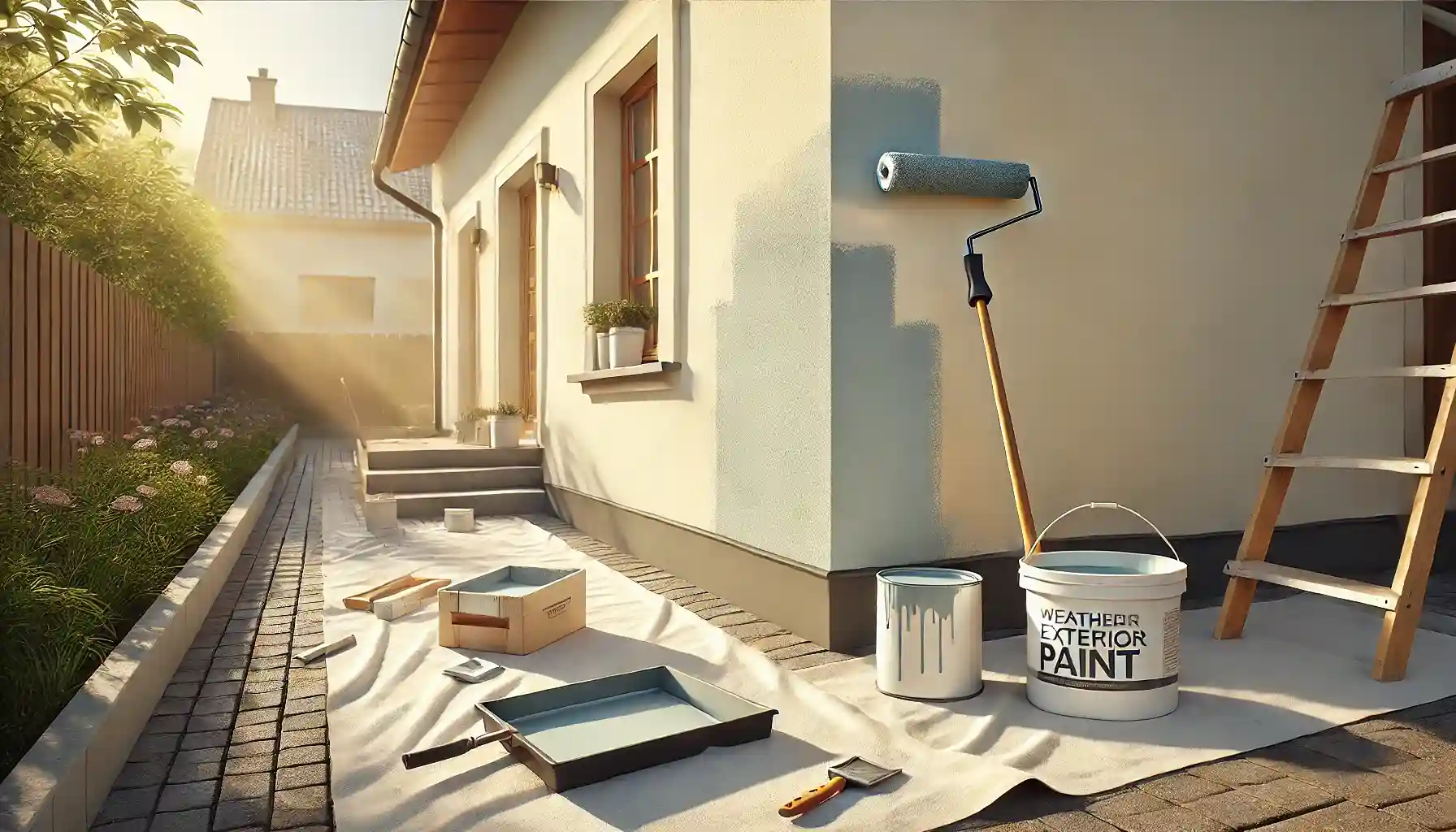
application of the first coat of paint

Conclusion

Exterior painting is a rewarding project that protects your home while enhancing its aesthetic appeal. However, common mistakes like skipping preparation, ignoring weather conditions, and applying insufficient coats can compromise the quality and durability of the job. By understanding and avoiding these pitfalls, you can achieve a flawless finish that lasts for years.

Whether you’re tackling the project yourself or hiring professionals, careful planning and execution are key to transforming your home’s exterior into a durable and visually stunning masterpiece.

How to Choose the Perfect Dual-Colour Palette for Your Home’s Exterior

How to Choose the Perfect Dual-Colour Palette for Your Home’s Exterior

Imagine pulling into your driveway and seeing a home exterior that feels fresh, modern, and beautifully balanced—a look that turns heads for all the right reasons. That’s the magic of a well-chosen dual-colour palette for your home’s exterior. Whether you’re looking to enhance curb appeal, highlight architectural features, or simply stand out in your neighbourhood, a dual-colour palette offers endless possibilities to elevate your home’s style.

Dual-colour exteriors are becoming a favourite among homeowners for their ability to add depth, character, and sophistication. But how do you pick the perfect pairing? Don’t worry—we’ve got you covered. Let’s dive into the art of dual-colour palettes and how you can transform your home with the right combination.
beige and charcoal grey dual-color palette

1. Benefits of a Dual-Colour Exterior Palette

Why settle for one shade when you can make your home exterior more dynamic with two? Dual-colour palettes offer several advantages:
  • Adds Depth and Dimension: Two colours can break the monotony of a single-tone façade, making your home look more architecturally interesting.
  • Highlights Architectural Features: Use contrasting colours to draw attention to trims, shutters, or decorative mouldings.
  • Encourages Creativity: Dual palettes let you experiment with bold hues while maintaining a harmonious balance.
Think of it as giving your home a personality makeover—subtle yet striking. Plus, with the right colours, you can tailor the look to reflect your style.

Benefits of Wall Putty in Achieving Perfection

Using Wall Putty offers several advantages, making it an essential step in the painting process:

  • Fills Cracks and Holes: Wall Putty seals gaps and imperfections, creating a level surface.
  • Improves Paint Longevity: By providing a stable base, putty prevents peeling, cracking, and flaking of paint.
  • Enhances Paint Finish: It ensures a uniform texture, allowing paint to glide on smoothly for a flawless result.
  • Works on Multiple Surfaces: Wall Putty is versatile and can be applied to plastered walls, concrete, and even previously painted surfaces.
Terracotta orange and soft cream walls

2. Key Factors to Consider Before Choosing Colours

Choosing a dual-colour palette isn’t just about picking your favourite shades. Several factors come into play to ensure your home looks cohesive and stunning:

Architectural Style of the Home
Your home’s design sets the tone for colour selection. Traditional styles may lean towards classic combinations like beige and white, while modern homes can pull off bold pairings like grey and yellow. Colonial homes, with their stately appearance, look fantastic in combinations like navy and white.

Tip: Let your home’s architecture guide your palette—it’s like finding the perfect outfit for its “personality.”

Surrounding Environment
Take a moment to observe your neighbourhood and natural surroundings. Do you want to blend in or stand out? Homes near lush greenery look beautiful with earthy tones like olive green and cream, while urban settings may call for sleek modern combos like black and white.

Climate and Lighting Conditions
Colour perception changes depending on sunlight, shadows, and weather. Bright sunlight can wash out lighter tones, while darker shades can absorb heat in warmer climates. Always test your colours in different lighting conditions to see how they truly appear.
modern Indian-style home

3. Choosing the Right Base and Accent Colours

Here’s where the fun begins—picking your base and accent colours!

Base Colour
The base colour typically covers most of the exterior, so choose something neutral and versatile for longevity. Shades like white, beige, and grey are timeless and adaptable to changing trends.

Accent Colour
Accent colours are the finishing touch—the cherry on top. Think navy blue for shutters, terracotta for trims, or even a pop of forest green for your front door. Accents bring personality and flair, so don’t be afraid to get a little creative.
When and Where to Use Wall Putty

Wall Putty can be used on both interior and exterior walls but serves different purposes in each setting:

  • Interior Walls: Used to create a polished base for decorative paints, enhancing the aesthetic appeal.
  • Exterior Walls: Applied to protect surfaces from weather elements and improve the durability of exterior paint.
white and olive green dual-color palette

4. Popular Dual-Colour Combinations for Home Exteriors

Not sure where to start? Here are some tried-and-true combinations to inspire you:

Classic Combinations
You can never go wrong with white and black or beige and brown. These timeless duos exude elegance and work well with both traditional and modern homes.

Modern Pairings
For a contemporary look, try grey and yellow or navy and white. These combinations feel fresh and on-trend, perfect for making a bold statement.
smooth painted wall textures
Earthy Tones
Bring nature closer to home with olive green and cream or terracotta and beige. These combinations offer a warm, inviting feel that blends beautifully with outdoor landscapes.

5. Tips for Balancing the Two Colours

Selecting colours is one thing, but knowing how to use them effectively is key. Here are some tips to achieve harmony:
  • Follow the 60-30-10 Rule: Use one colour for 60% of the exterior (base), 30% for the secondary colour (accents), and 10% for details like the front door or railings.
  • Place Colours Strategically: Apply lighter shades to larger surfaces for a spacious look and use darker tones to highlight features.
  • Avoid Overcomplicating: Stick to two primary shades to maintain balance and avoid a cluttered appearance.
Before and After comparison

6. Final Steps Before Painting

Before committing to your colours, there are a few steps to ensure everything goes smoothly:
  • Test Swatches: Paint small sections of your wall and observe how the colours look in natural and artificial light.
  • Consult a Professional: Get expert advice to refine your choices and ensure compatibility with your home’s style.
  • Choose High-Quality Paints: Invest in weather-resistant paints from Indicus Paints to protect your exterior from the elements and ensure long-lasting results.
dual-color exterior palette

Conclusion

A dual-colour palette has the power to elevate your home’s exterior, adding depth, dimension, and a touch of personality. Whether you’re drawn to classic, modern, or earthy combinations, the right colours can transform your home into a masterpiece of design.

Ready to bring your vision to life? Explore the premium range of weather-resistant paints and expert guidance from Indicus Paints. With their support, you can create an exterior that’s as stunning as it is durable.

Your home deserves to stand out—let’s make it happen!

How to Use Wall Putty for a Smooth Surface Before Painting

How to Use Wall Putty for a Smooth Surface Before Painting

A flawless paint finish begins with a smooth and even surface. Walls that are cracked, uneven, or full of imperfections can ruin the final look, no matter how premium the paint quality is. This is where Wall Putty becomes indispensable. Wall Putty is the secret weapon that helps achieve a polished and professional appearance by filling in imperfections and creating a uniform surface.

In this guide, we’ll explore the importance of Wall Putty, its benefits, types, and a step-by-step process to use it effectively. By the end, you’ll be equipped to prepare your walls for painting with confidence and ease.

Importance of a Smooth Surface Before Painting

The smoothness of your wall surface plays a crucial role in determining the final paint outcome. Uneven or damaged walls can lead to visible cracks, patches, and an overall unappealing look. A smooth surface ensures:

  • Better Paint Adhesion: Paint adheres evenly to a smooth surface, resulting in a durable and long-lasting finish.
  • Enhanced Appearance: A polished surface brings out the true beauty and vibrancy of your chosen paint colour.
  • Cost Efficiency: A smooth base reduces paint consumption, preventing wastage due to uneven absorption.
finished look

Benefits of Wall Putty in Achieving Perfection

Using Wall Putty offers several advantages, making it an essential step in the painting process:

  • Fills Cracks and Holes: Wall Putty seals gaps and imperfections, creating a level surface.
  • Improves Paint Longevity: By providing a stable base, putty prevents peeling, cracking, and flaking of paint.
  • Enhances Paint Finish: It ensures a uniform texture, allowing paint to glide on smoothly for a flawless result.
  • Works on Multiple Surfaces: Wall Putty is versatile and can be applied to plastered walls, concrete, and even previously painted surfaces.

What is Wall Putty and Why is it Important?

Wall Putty is a white cement-based compound used to prepare walls for painting. It is applied to interior or exterior surfaces to smoothen imperfections and enhance the paint’s adhesion. Its importance lies in its ability to:

  • Level Uneven Surfaces: Provides a consistent base for painting.
  • Prevent Moisture Damage: Protects walls from dampness, especially in exterior applications.
  • Improve Wall Strength: Adds durability to weak or damaged surfaces.
primer application process

Types of Wall Putty and Their Uses

Wall Putty comes in different types, each designed for specific applications:

  1. White Cement-Based Putty
    • Best for interior and exterior walls.
    • Provides an even and durable finish.
  2. Acrylic Wall Putty
    • Ideal for interior walls.
    • Provides a rich and smooth finish
    • Flexible and quick-drying, suitable for minor repairs.
Understanding the type of putty you need ensures optimal results for your specific surface.

When and Where to Use Wall Putty

Wall Putty can be used on both interior and exterior walls but serves different purposes in each setting:

  • Interior Walls: Used to create a polished base for decorative paints, enhancing the aesthetic appeal.
  • Exterior Walls: Applied to protect surfaces from weather elements and improve the durability of exterior paint.

Step-by-Step Process for Using Wall Putty

1. Cleaning the Wall
Before applying Wall Putty, clean the surface thoroughly. Remove dust, grease, and loose particles using a damp cloth or sandpaper. For exterior walls, pressure washing may be necessary.

2. Mixing and Applying Wall Putty

  • Mixing: Combine the putty powder with water as per recommended ratio Stir continuously to form a smooth, lump-free paste.
  • First Coat: Apply the first layer evenly with a trowel. Let it dry completely (usually 6–8 hours).
  • Second Coat: Apply a thinner second coat to refine the surface and achieve uniformity.
3. Sanding for a Smooth Finish
Once the putty is dry, use fine-grit sandpaper (220–240) to smoothen the surface. This step ensures an even texture, ready for painting.

Tips for Best Results
  • Avoid Over-Mixing: Over-mixing can introduce air bubbles, affecting the application.
  • Work in Thin Layers: Thick coats take longer to dry and may crack. Always apply thin, even layers.
  • Check for Consistency: Ensure the putty paste is smooth and free from lumps for optimal application.

finished look

Common Errors to Avoid During Application

  • Skipping Surface Cleaning: Dirt or grease on the wall can prevent the putty from adhering properly.
  • Rushing the Drying Process: Allow sufficient time for each layer to dry before proceeding.
  • Using the Wrong Type of Putty: Choose the right putty based on the surface and intended use.

Preparing the Wall for Painting After Putty

After the Wall Putty application is complete, it’s essential to prime the surface before painting. Primer helps seal the putty, enhances paint adhesion, and prevents stains from bleeding through. Apply a high-quality primer evenly over the putty-coated surface and allow it to dry thoroughly. This step ensures your paint finish is vibrant and long-lasting.

Conclusion

Wall Putty is a crucial step in achieving a flawless paint finish. From filling cracks to creating a smooth, durable surface, its role in preparing walls cannot be overstated. By understanding the types of putty, proper application techniques, and preparation tips, you can elevate the quality of your painting projects and transform your space with ease.

Whether you’re repainting a single room or refreshing your entire home, Wall Putty ensures your walls are ready to showcase their best look. Invest time in preparation, and your final paint finish will speak volumes about your attention to detail.

Modernize Your Wooden Furniture with Easy DIY Painting Techniques

Modernize Your Wooden Furniture with Easy DIY Painting Techniques

Wooden furniture has long been a cornerstone of home décor, cherished for its durability, timeless appeal, and versatility. But as design trends evolve, there’s a growing interest in giving wooden pieces a modern makeover through painting. Easy DIY techniques make it possible to transform outdated furniture into stylish, contemporary pieces without spending a fortune.

In this guide, we’ll explore why wooden furniture painting is trending, its benefits, and step-by-step techniques to achieve a professional-looking finish. Whether you’re modernising a vintage find or refreshing a family heirloom, these tips will help you create unique and stunning furniture for your home.

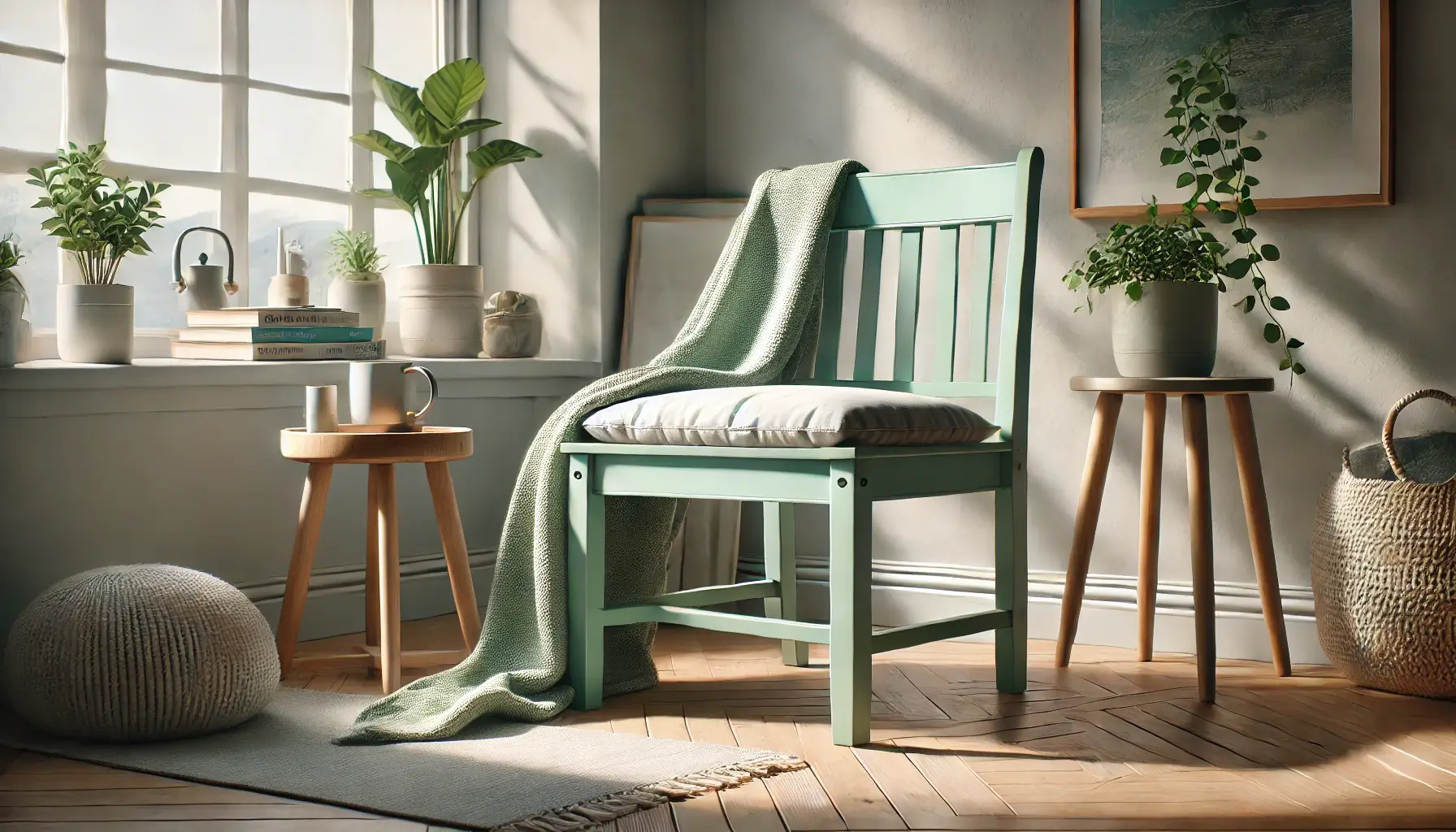
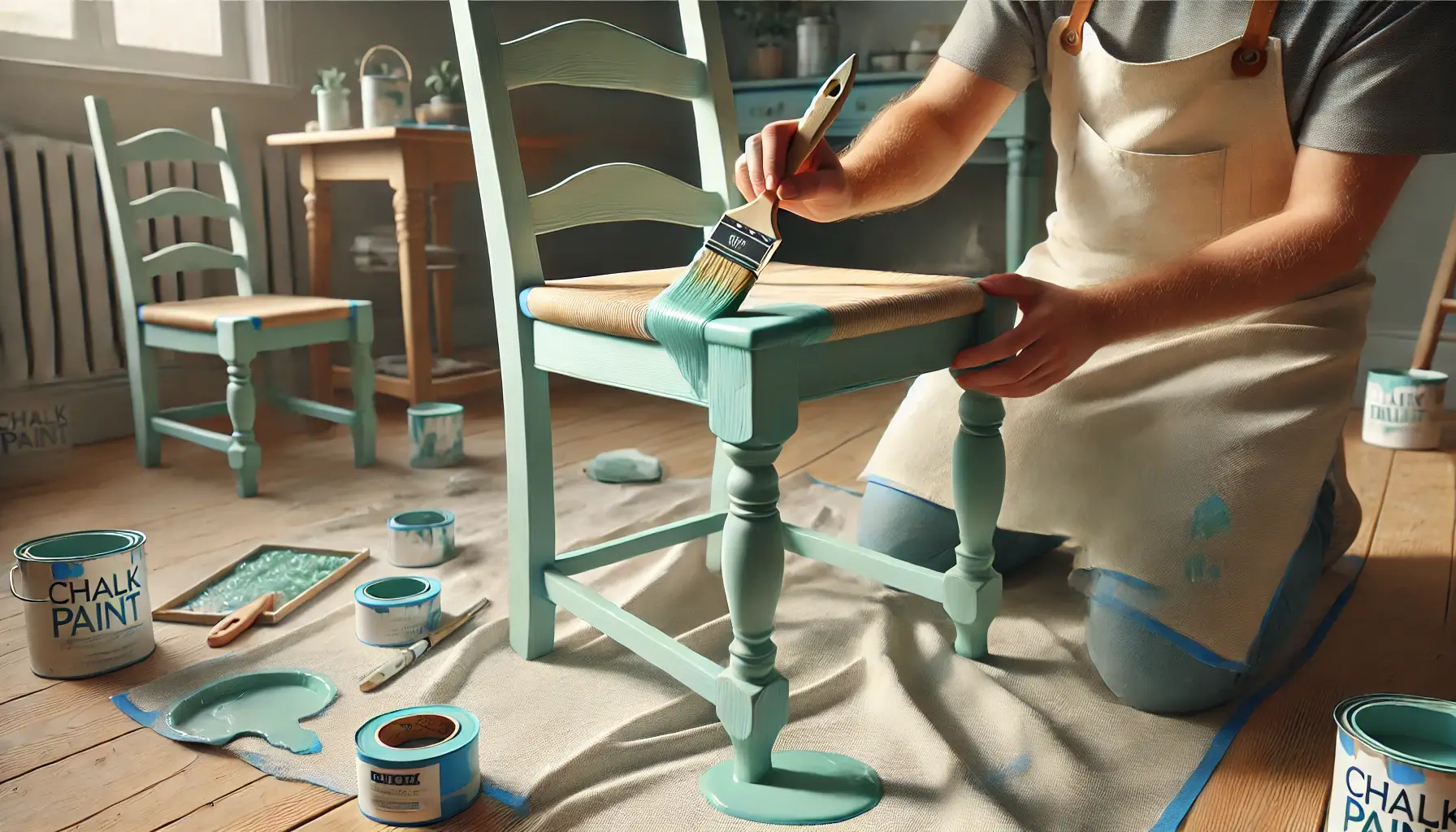
soft mint green chalk paint with a glossy finish

Why Wooden Furniture Painting is Trending

Painting wooden furniture has become increasingly popular due to its ability to blend tradition with modernity. As homeowners seek personalised and affordable ways to update their spaces, painting provides a creative outlet to experiment with colours, finishes, and designs. Social media platforms showcase countless DIY transformations, inspiring people to repurpose and refresh their existing furniture. Moreover, eco-conscious living encourages upcycling, and painting is a sustainable way to extend the life of wooden furniture while reducing waste.

Finished look

Benefits of Updating Your Wooden Furniture

Transforming wooden furniture with paint offers several advantages:

  • Cost-Effective: Instead of buying new furniture, painting allows you to refresh old pieces at a fraction of the cost.
  • Customisation: Choose colours, patterns, and finishes that align with your unique style and home décor.
  • Eco-Friendly: By repurposing furniture, you contribute to sustainability and reduce landfill waste.
  • Enhanced Durability: A fresh coat of paint can protect wood from wear and tear, prolonging its lifespan.
  • Adds Value: Updating furniture gives it a polished, modern look that can elevate the overall aesthetic of your home.
Finishing Process

Understanding Wooden Furniture Types

Before you begin, it’s essential to understand the type of wood you’re working with, as this impacts preparation and painting techniques.

Solid Wood vs. Plywood: Preparation Differences

Solid wood is a natural material, making it durable and easy to sand and refinish. However, it may require more attention to detail, as it can have knots or grain patterns that need sealing.

Plywood, on the other hand, is a composite material with a smooth surface, making it easier to work with. However, it often requires a high-quality primer to ensure paint adheres properly to its surface.

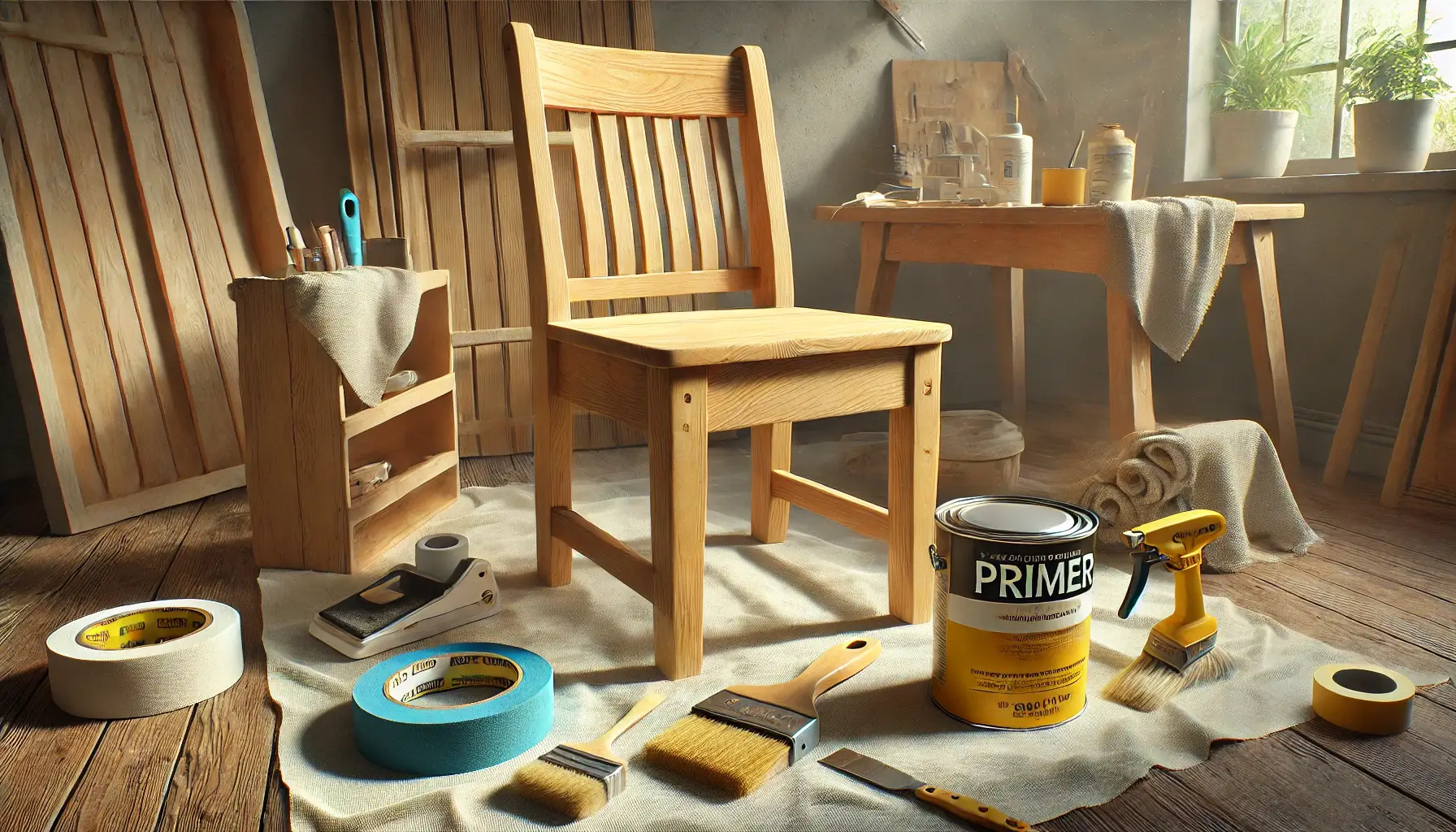
Preparation Process

Why Wood Type Matters for Painting

Different wood types absorb paint differently. Porous woods like pine may require multiple coats, while dense hardwoods like oak need thorough sanding to remove the original finish. Knowing your wood type ensures you choose the right products and achieve a flawless finish.

Essential Tools and Materials Needed

Before starting your DIY project, gather the following tools and materials:

  • Paints: Choose furniture-specific paints such as chalk paint, acrylic paint, or enamel for durability.
  • Primer: A high-quality primer helps paint adhere and enhances colour vibrancy.
  • Brushes and Rollers: Use fine-bristle brushes for detailed work and foam rollers for smooth, even application.
  • Sandpaper: Medium-grit (120–150) for sanding the surface, and fine-grit (220) for smoothing before painting.
  • Drop Cloths: Protect floors and surrounding areas from paint splatters.
  • Painter’s Tape: Ensure clean, sharp edges for a professional look.
  • Cleaning Supplies: A damp cloth, mild detergent, or wood cleaner to remove dirt and grease.
Preparation Process

Step-by-Step DIY Painting Techniques

1. Cleaning and Sanding the Surface
Begin by cleaning your furniture to remove dust, grease, or residue. Sand the surface with medium-grit sandpaper to create a smooth, paint-ready finish. For pieces with an old finish or varnish, sanding is essential to remove the sheen and allow the primer to adhere properly.

2. Choosing the Right Primer and Paint Type
Apply a primer suited to your wood type and paint. For dark woods or stained surfaces, use a stain-blocking primer to prevent bleed-through. Once dry, select a durable paint, such as chalk or enamel, depending on the desired finish.
Painting Process
3. Applying Paint with Even Strokes
Use a foam roller for large, flat surfaces and a fine-bristle brush for detailed areas. Apply thin, even coats, allowing each layer to dry fully before adding the next. This ensures a smooth, streak-free finish.

Creative Painting Ideas for a Modern Look

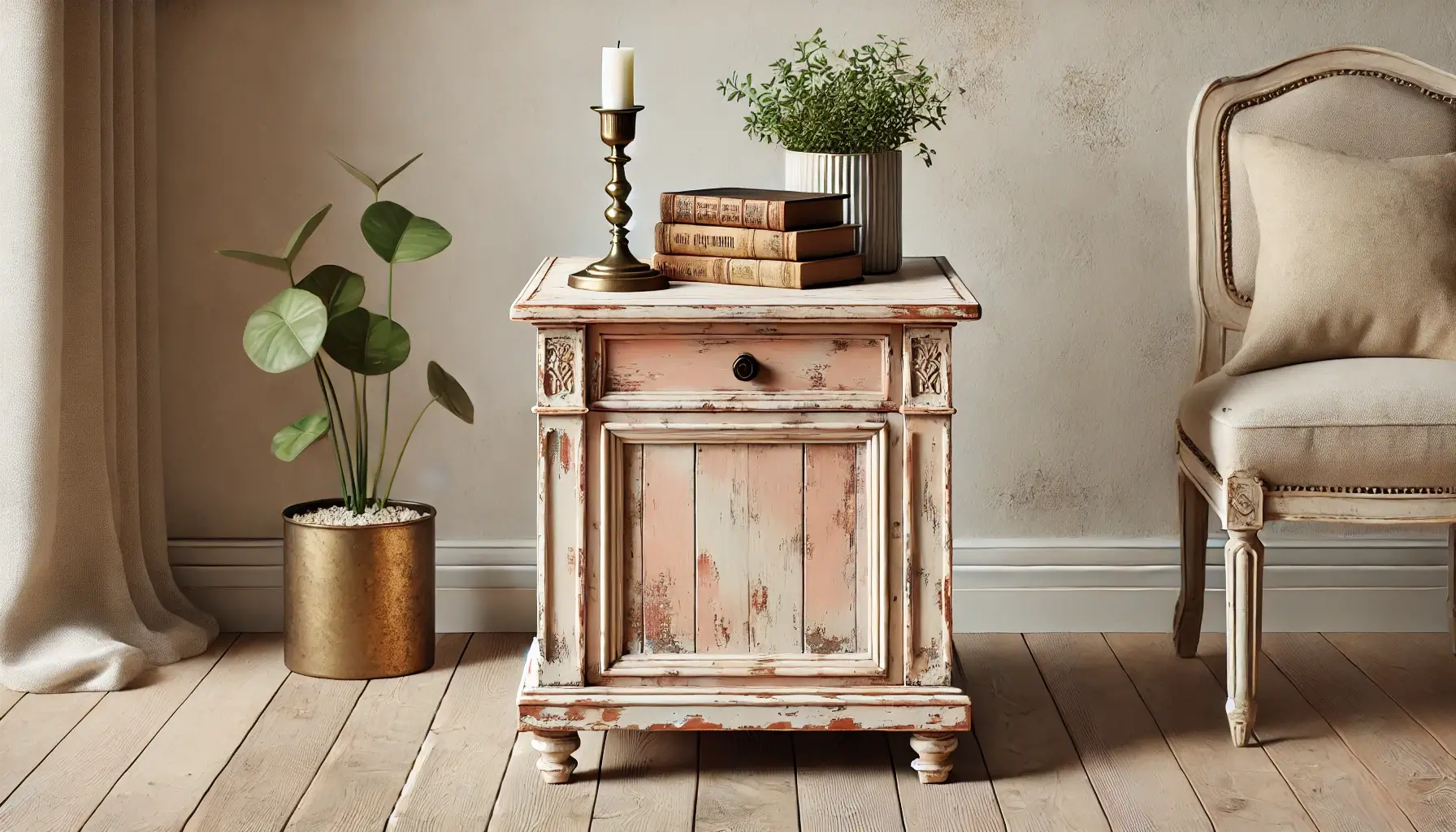
1. Distressed Finish
Achieve a shabby chic aesthetic by sanding edges and corners after painting to reveal the underlying wood. This technique works well for vintage-inspired décor.

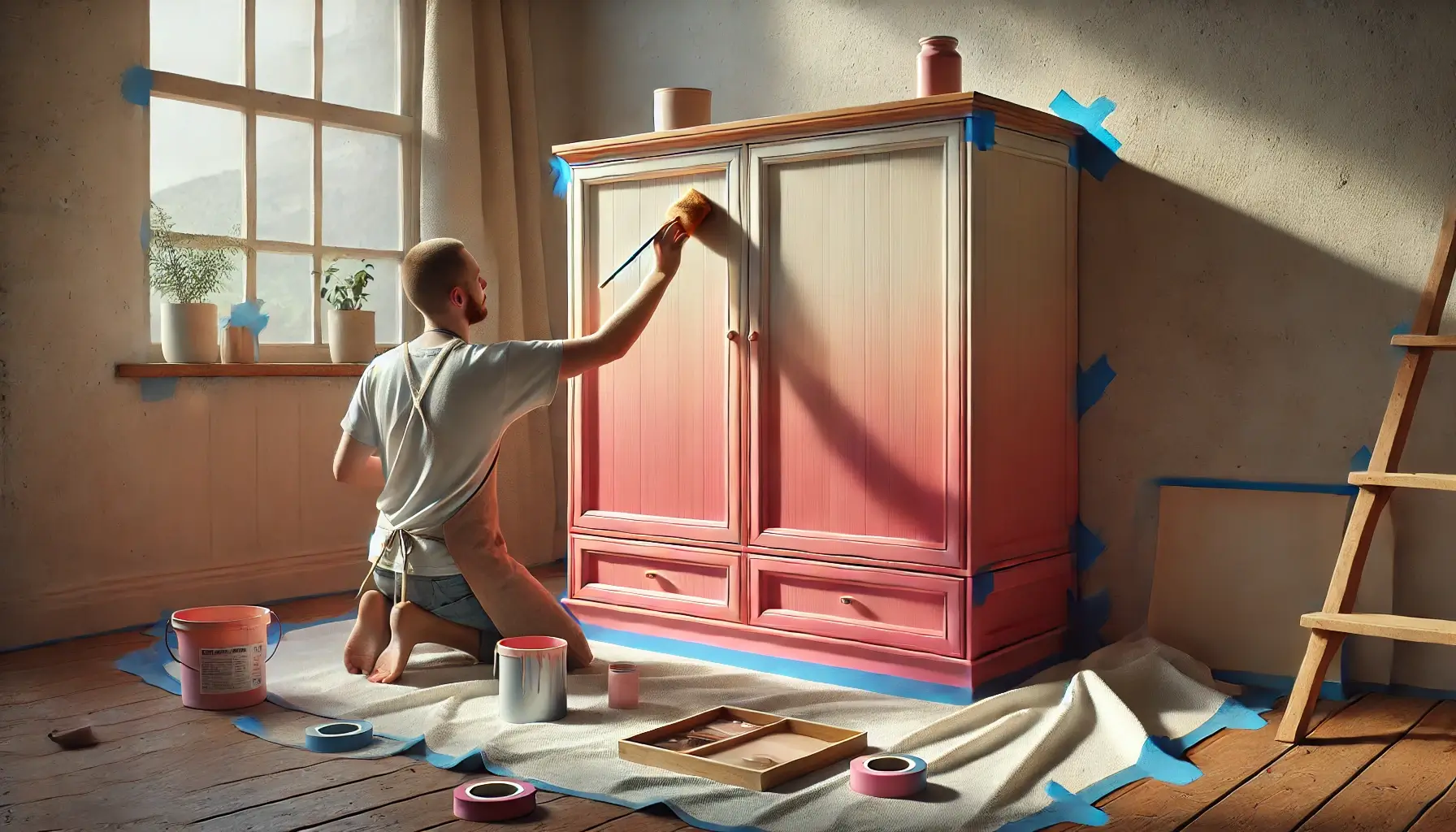
2. Ombre Effect
Blend two or more pastel or bold colours to create a gradient effect. This adds depth and interest to furniture, making it a unique statement piece.
Creative Designs – Ombre Effect
3. Stencilling
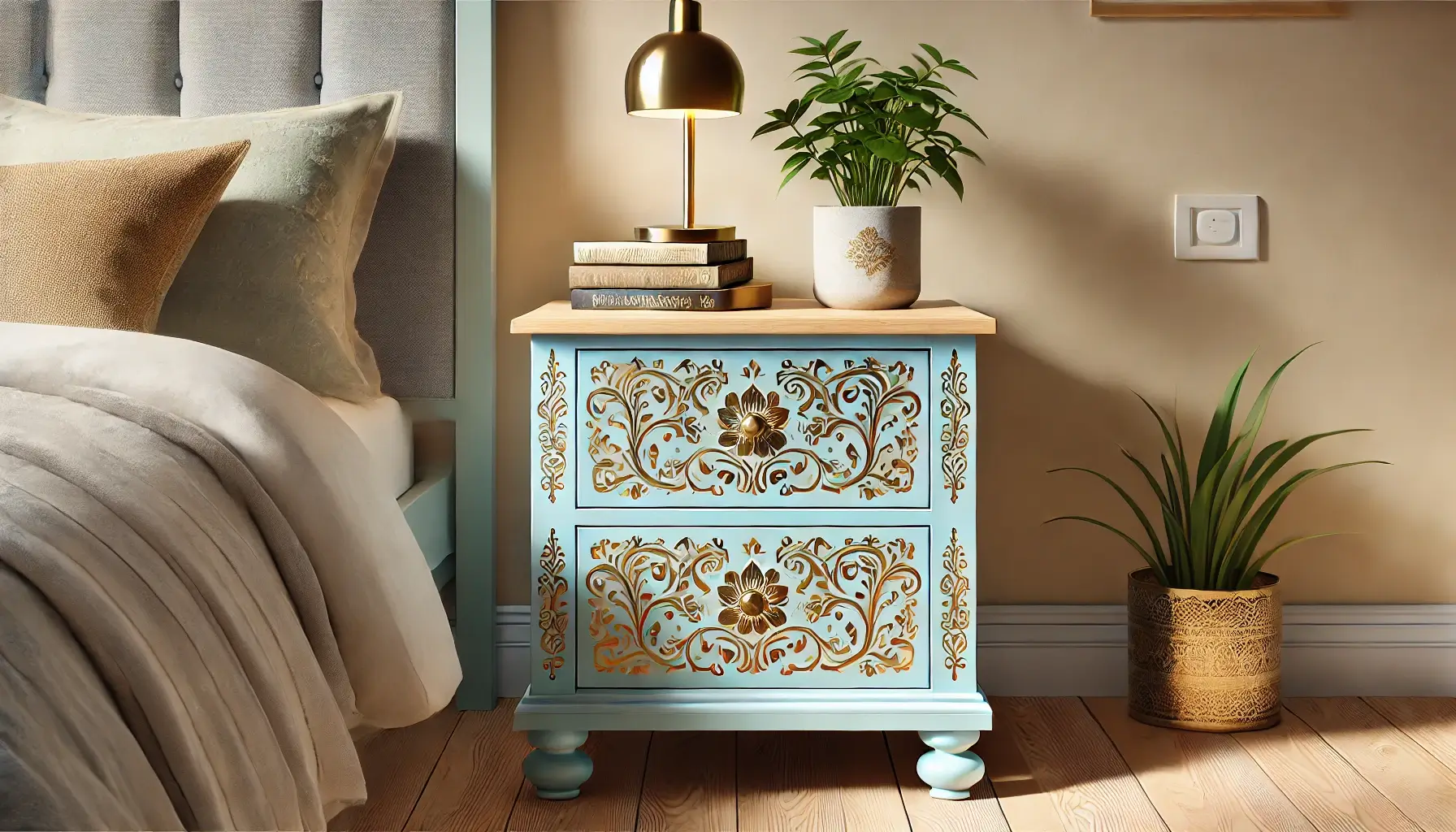
Use stencils to add intricate patterns, such as florals or geometric shapes, to drawers, tabletops, or cabinet doors. Metallic paints can add a touch of luxury to the design.

Maintenance Tips for Painted Wooden Furniture

To keep your painted furniture looking its best, follow these maintenance tips:
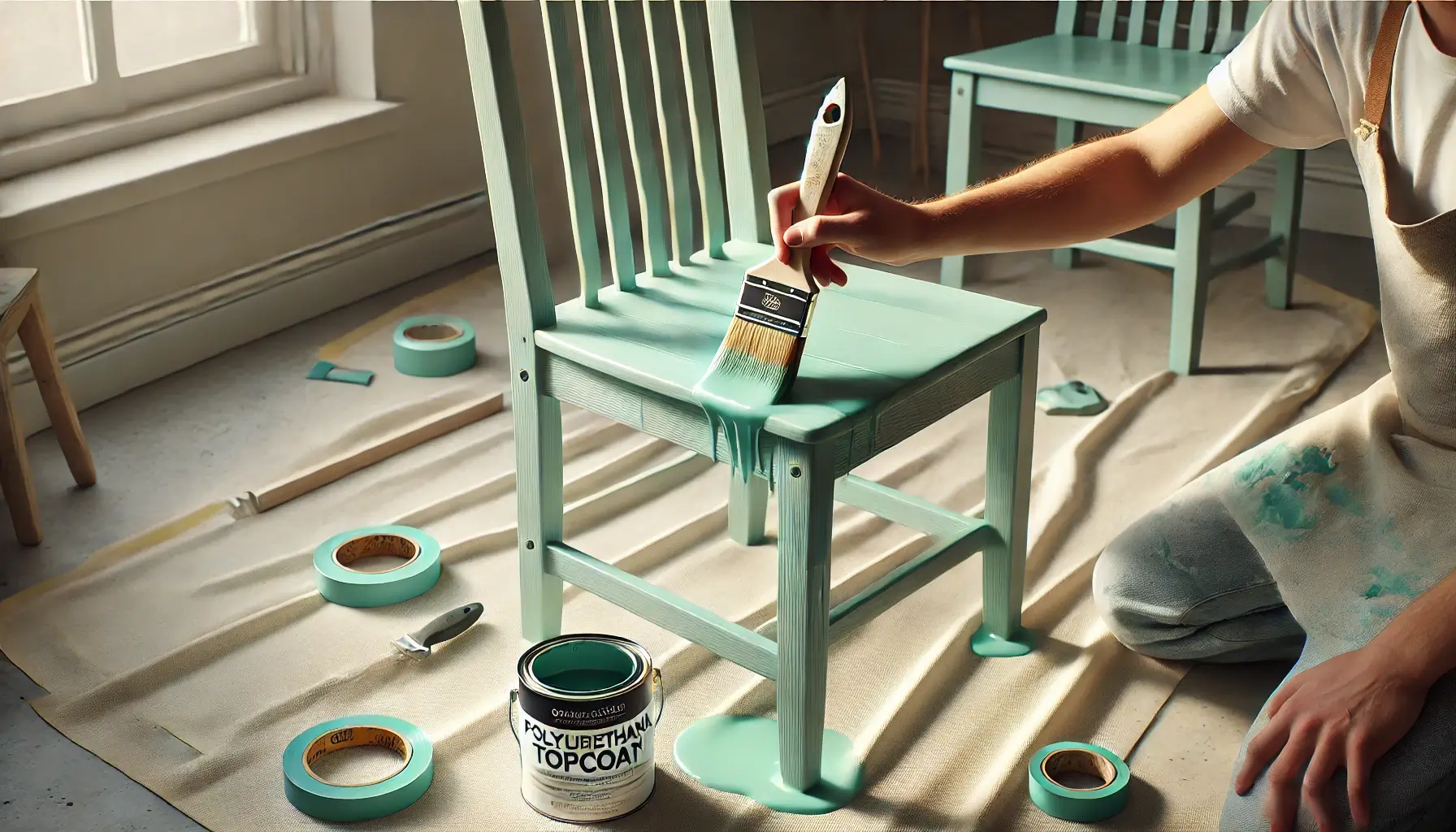
  • Protect Against Scratches: Apply a clear polyurethane topcoat for added durability. This is especially important for high-use pieces like dining tables or cabinets.
Distressed Finish V01
  • Clean Gently: Use a damp cloth or mild detergent to clean painted surfaces, avoiding abrasive scrubbers.
  • Avoid Moisture: Keep furniture away from direct sunlight or damp areas to prevent paint from peeling or fading.
  • Touch-Up Chips: Keep leftover paint for touch-ups in case of scratches or chips.
Stencilling

Conclusion

Modernising your wooden furniture with DIY painting techniques is a cost-effective, creative way to refresh your home décor. From choosing the right tools and paints to exploring unique finishes like distressed effects or ombre gradients, there’s no limit to how you can personalise your furniture. With careful preparation and a touch of imagination, you can turn old wooden pieces into stunning focal points that reflect your style and creativity.

So, gather your tools, unleash your inner artist, and give your furniture the makeover it deserves. Your modernised wooden masterpiece awaits!

Step-by-Step Guide to Preparing and Painting Your Metal Furniture

Step-by-Step Guide to Preparing and Painting Your Metal Furniture

Metal furniture is a durable and versatile addition to any home, but over time, it can lose its charm due to rust, scratches, or outdated finishes. Instead of replacing your metal pieces, painting them can give them a fresh, modern look that complements your décor. Whether it’s a patio set, bed frame, or furniture, a fresh coat of paint can transform your space while saving money.

This guide will walk you through the benefits of painting metal furniture, the importance of preparation, and the techniques needed to achieve a professional-looking finish.

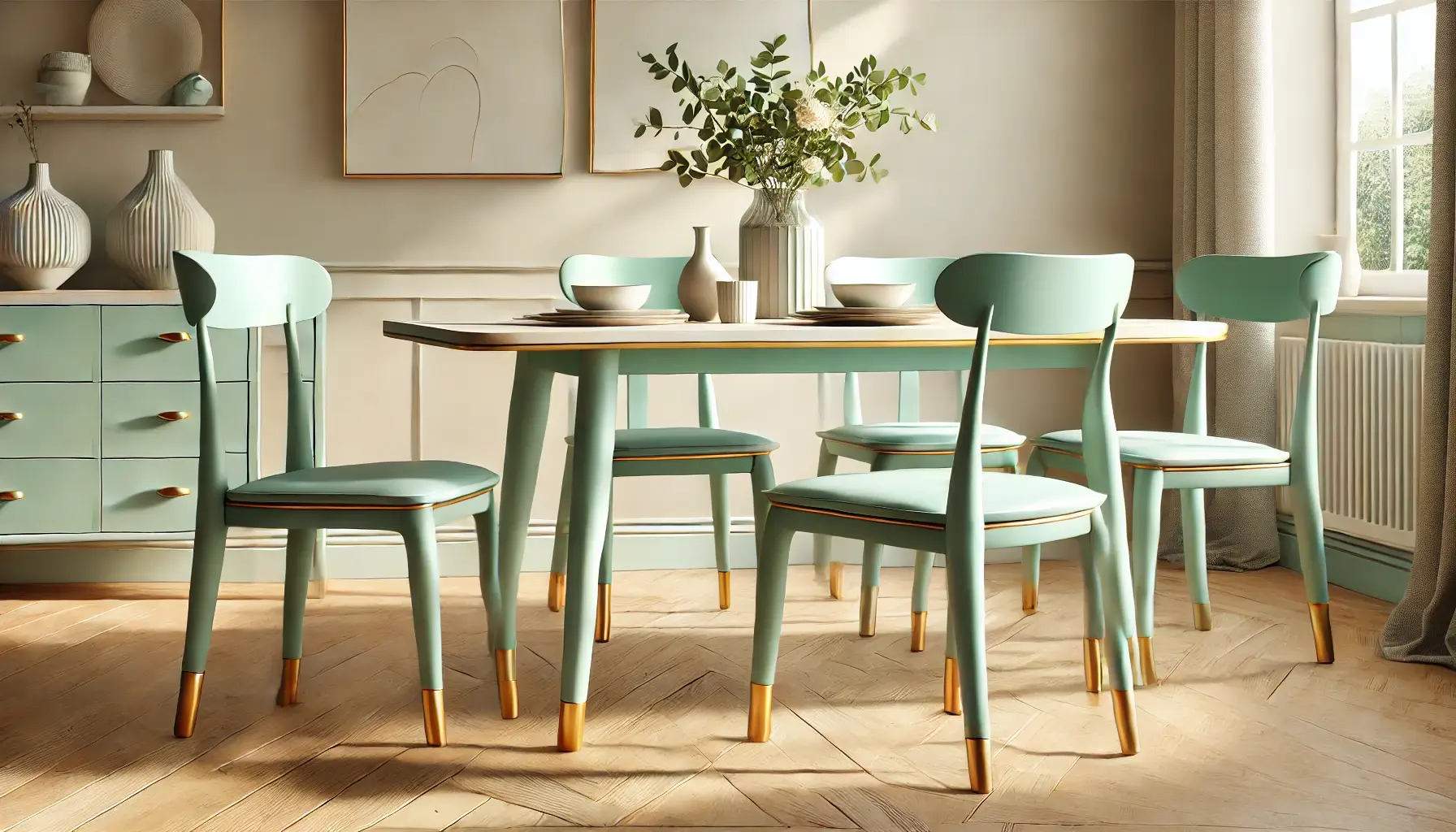
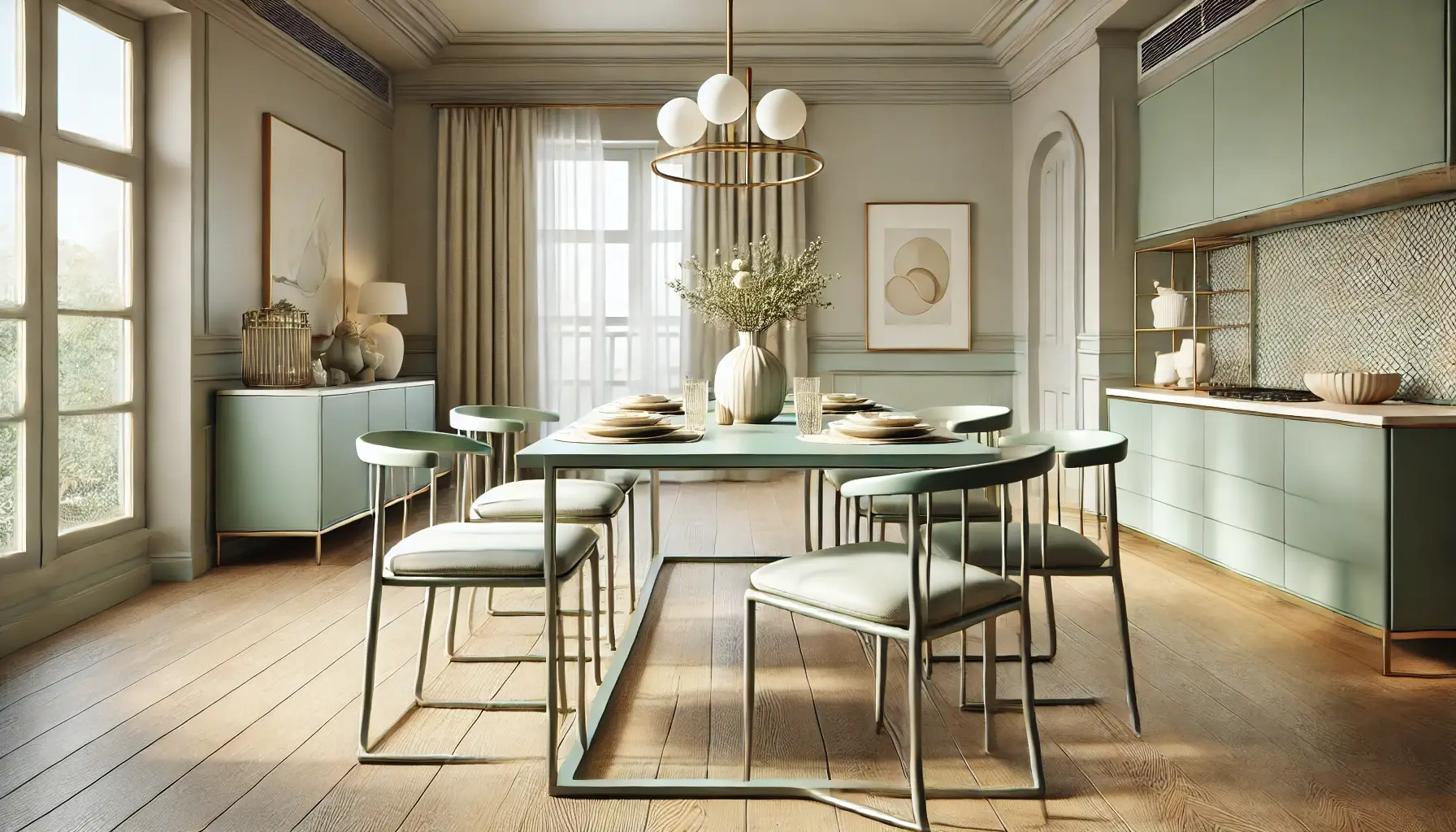
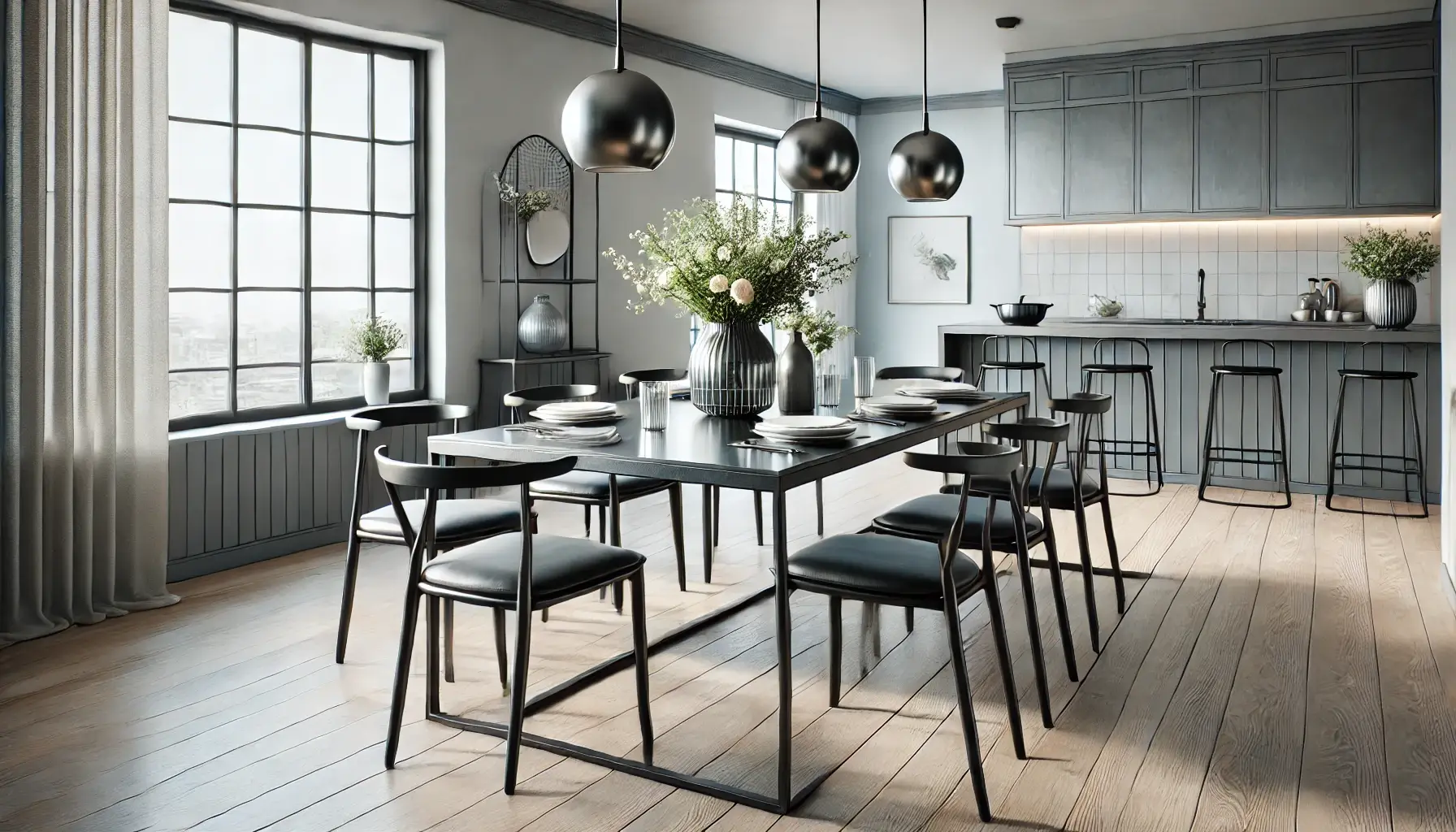
finished modernized metal dining set

Why Painting Metal Furniture Can Transform Your Space

Painting metal furniture is a simple yet impactful way to refresh your home’s aesthetic. It allows you to:

  • Customise Your Style: Change colours to match your evolving décour preferences or add bold tones for a statement piece.
  • Extend Furniture Lifespan: Painting protects metal surfaces from rust and wear, prolonging their durability.
  • Save Money: Revitalising your existing furniture is far more cost-effective than buying new pieces.
  • Adapt to Trends: Switch to trendy hues like matte black, metallic gold, or pastel shades to modernise your space.

Benefits of Painting Metal Over Replacing It

Painting metal furniture is not only a budget-friendly option but also a sustainable choice. By repurposing and upgrading existing pieces, you reduce waste and minimise environmental impact. Whether you want to restore an heirloom or upgrade a thrift find, painting is a rewarding project that combines creativity with practicality.

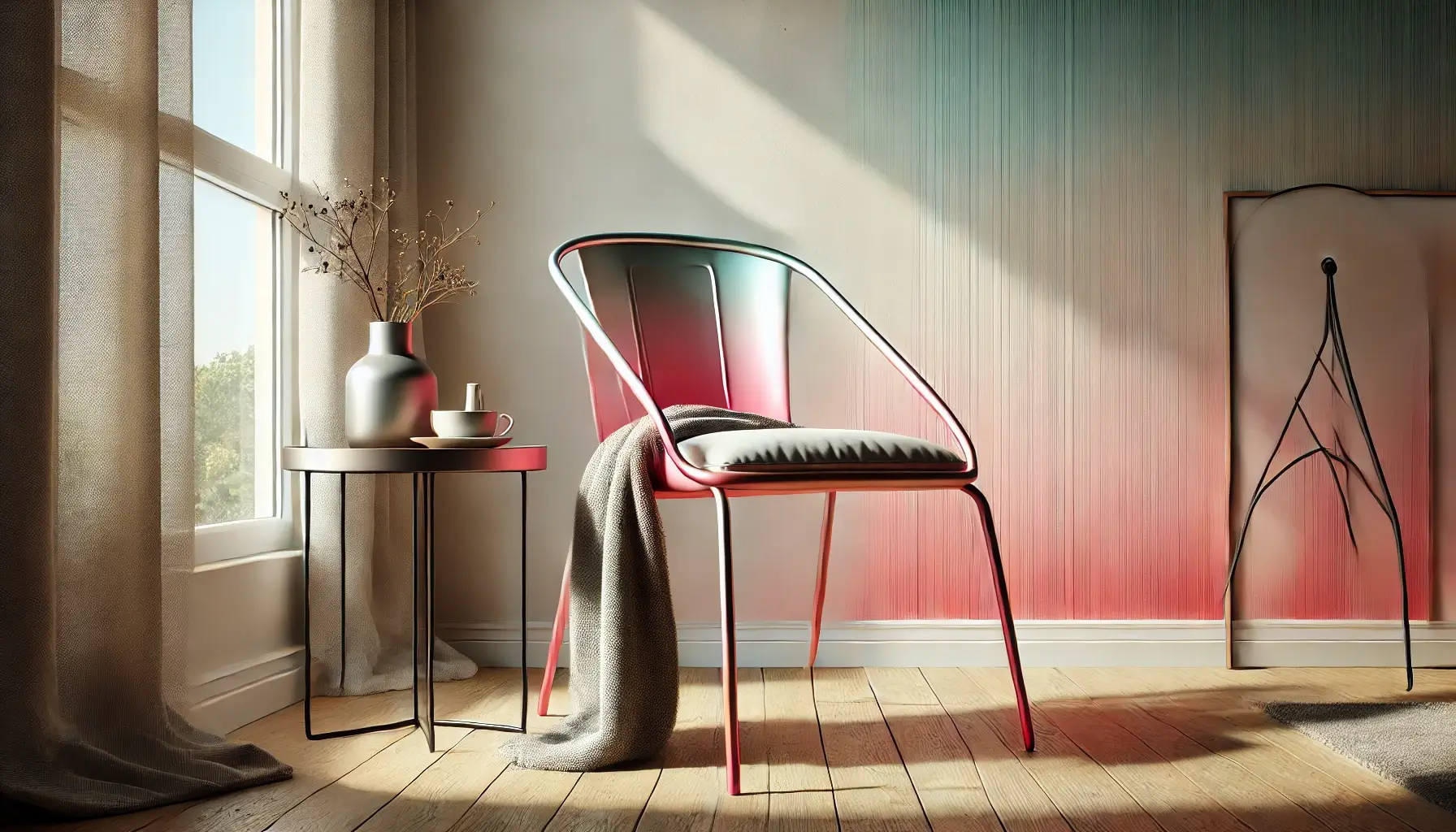
modernized metal chair with a creative ombre finish

Why Preparation is Key for Metal Painting

Preparation is the foundation of a successful metal painting project. Without proper preparation, paint may not adhere well, leading to peeling, chipping, or uneven coverage. Metal surfaces are prone to rust, grease, and dirt, all of which must be removed to ensure a smooth, long-lasting finish. Spending time on preparation saves you from potential frustrations later in the process.

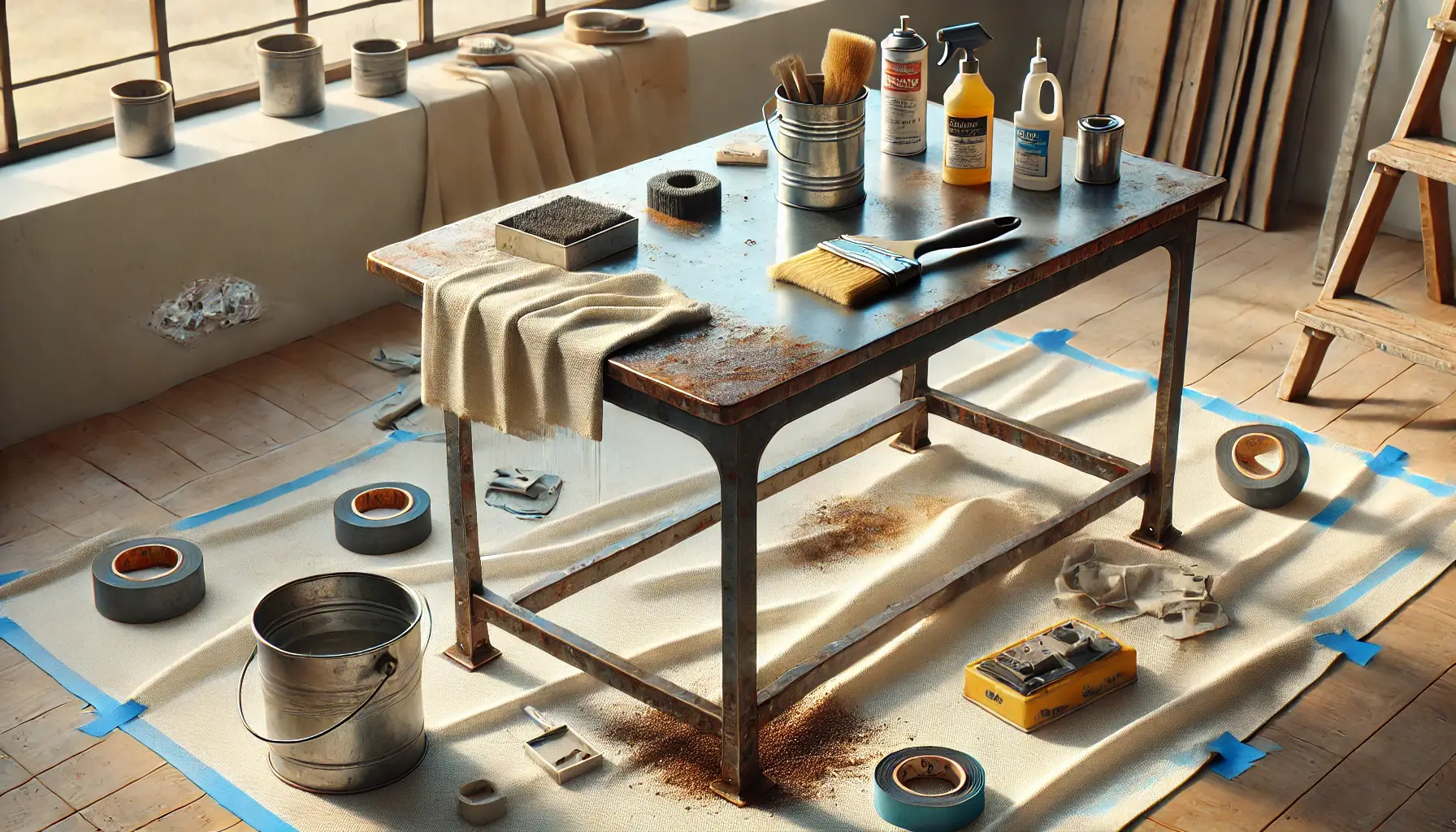
metal table in the preparation process

Rust and Dirt Removal Essentials

Rust and dirt are common culprits that can ruin a paint job. Here’s how to tackle them effectively:

  1. Remove Dirt and Grease: Clean the surface with a damp cloth and mild detergent to eliminate dirt, grease, and grime.
  2. Address Rust: Use a wire brush or sandpaper to scrape away rust. For stubborn rust, apply a rust remover and follow the manufacturer’s instructions.
  3. Smooth the Surface: Sand the entire piece with medium-grit sandpaper (120–150) to create a slightly rough texture that helps the paint adhere.
  4. Wipe Clean: Remove dust and residue with a clean, damp cloth and allow the furniture to dry completely.

Choosing the Right Paint for Metal Surfaces

Selecting the right type of paint is crucial for achieving a professional finish.

Spray Paint vs. Brush-On Paint

  • Spray Paint: Ideal for intricate designs and curved surfaces, spray paint provides even coverage and a smooth finish with minimal effort.
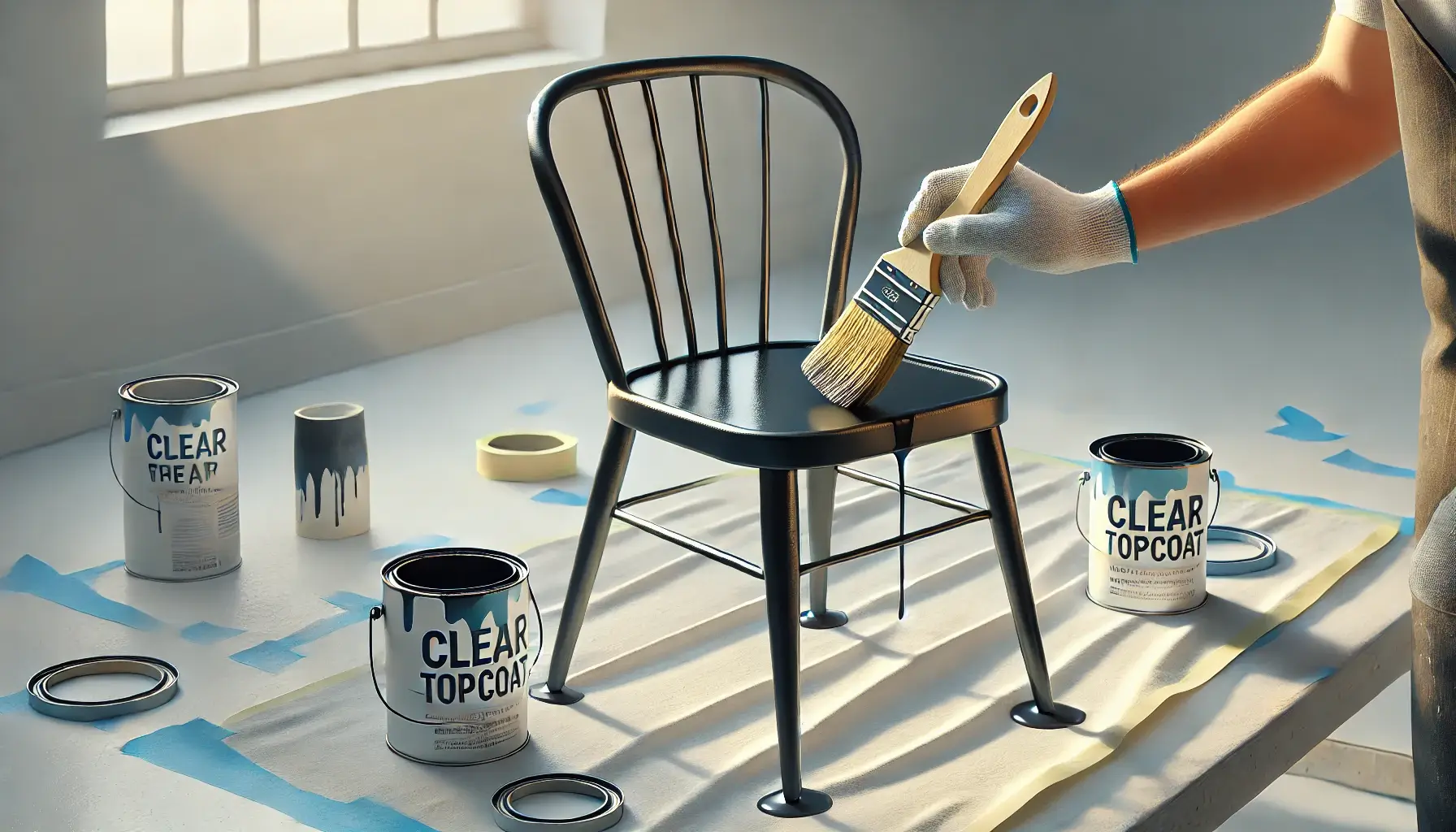
  • Brush-On Paint: Best for flat surfaces or areas requiring detailed work, brush-on paint offers greater control. It’s an excellent option for achieving a thicker, more durable coat.

Regardless of the method, opt for paints specifically formulated for metal surfaces to ensure durability and resistance to wear.

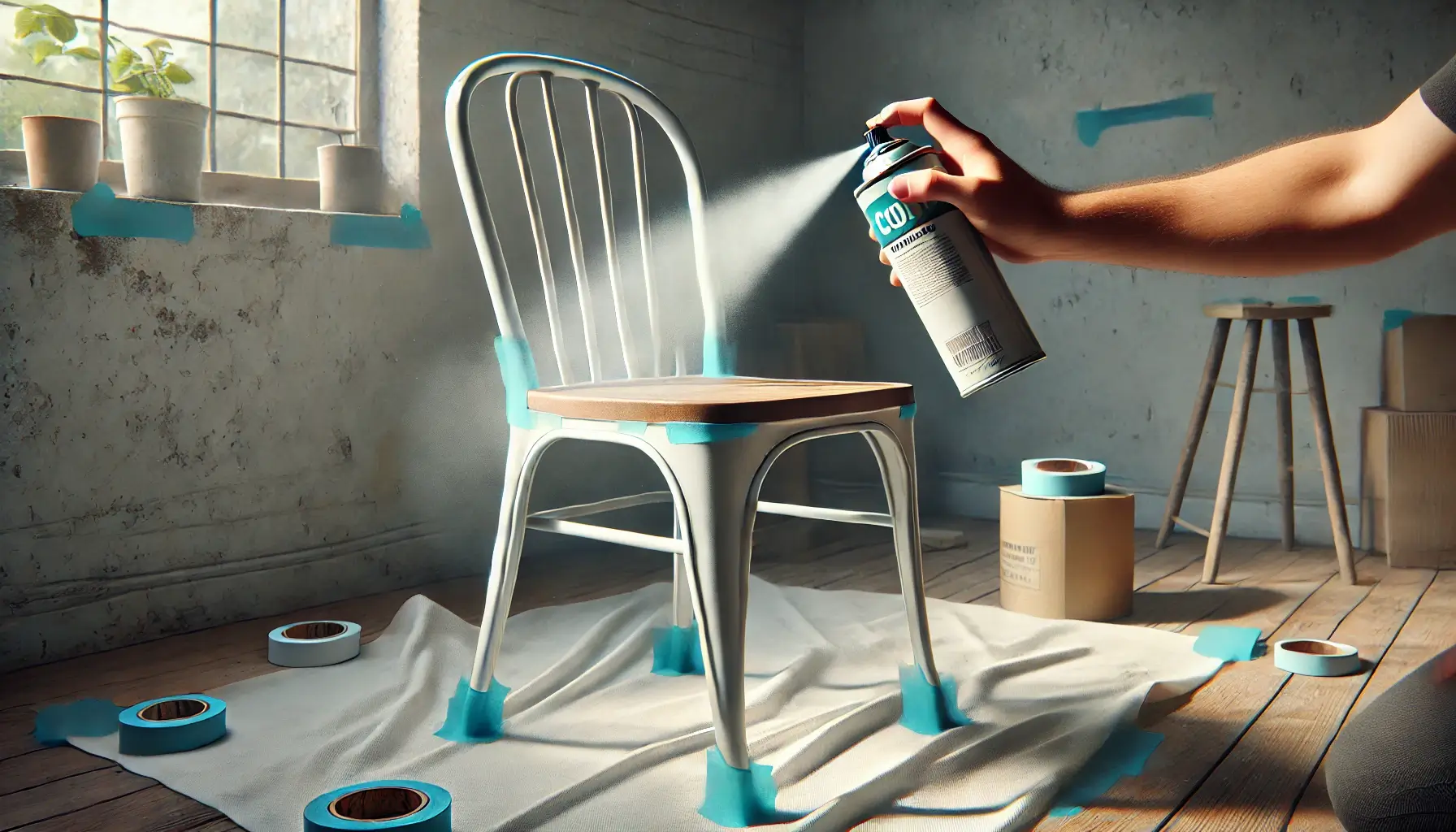
application of primer to a metal chair

Step-by-Step Guide to Painting Metal Furniture

1. Cleaning and Sanding
Thoroughly clean the furniture to remove dirt, grease, and grime. Sand the surface with medium-grit sandpaper to remove rust and create a texture that promotes paint adhesion.

2. Applying Primer for Metal
Use a metal-specific primer to create a smooth, rust-resistant base. Apply an even coat using a brush or spray, ensuring full coverage. Allow the primer to dry completely before moving to the next step.

3. Painting Techniques for Smooth Finishes
  • For Spray Paint: Hold the can 8–12 inches away from the surface and apply thin, even coats. Avoid overspraying to prevent drips.
  • For Brush-On Paint: Use a high-quality brush and apply long, smooth strokes. Allow each coat to dry fully before applying the next.
Two to three coats are typically sufficient for a solid, even finish.
finishing step for a painted metal chair

Tips for Long-Lasting Painted Metal Furniture

  1. Avoid Abrasive Cleaners: Use a soft cloth and mild detergent for cleaning to prevent damage to the painted surface.
  2. Store Properly: For outdoor furniture, consider covering or storing pieces during extreme weather to maintain their appearance.

Common Mistakes to Avoid

  1. Skipping Primer: Primer is essential for creating a smooth, rust-resistant base. Skipping this step leads to uneven application and reduced durability.
  2. Uneven Paint Application: Applying thick coats can result in drips and an uneven finish. Always use thin, even layers for the best results.
  3. Neglecting Surface Prep: Failing to clean and sand the surface can cause paint to peel or chip prematurely.
  4. Rushing the Process: Allow sufficient drying time between coats to achieve a smooth, professional finish.
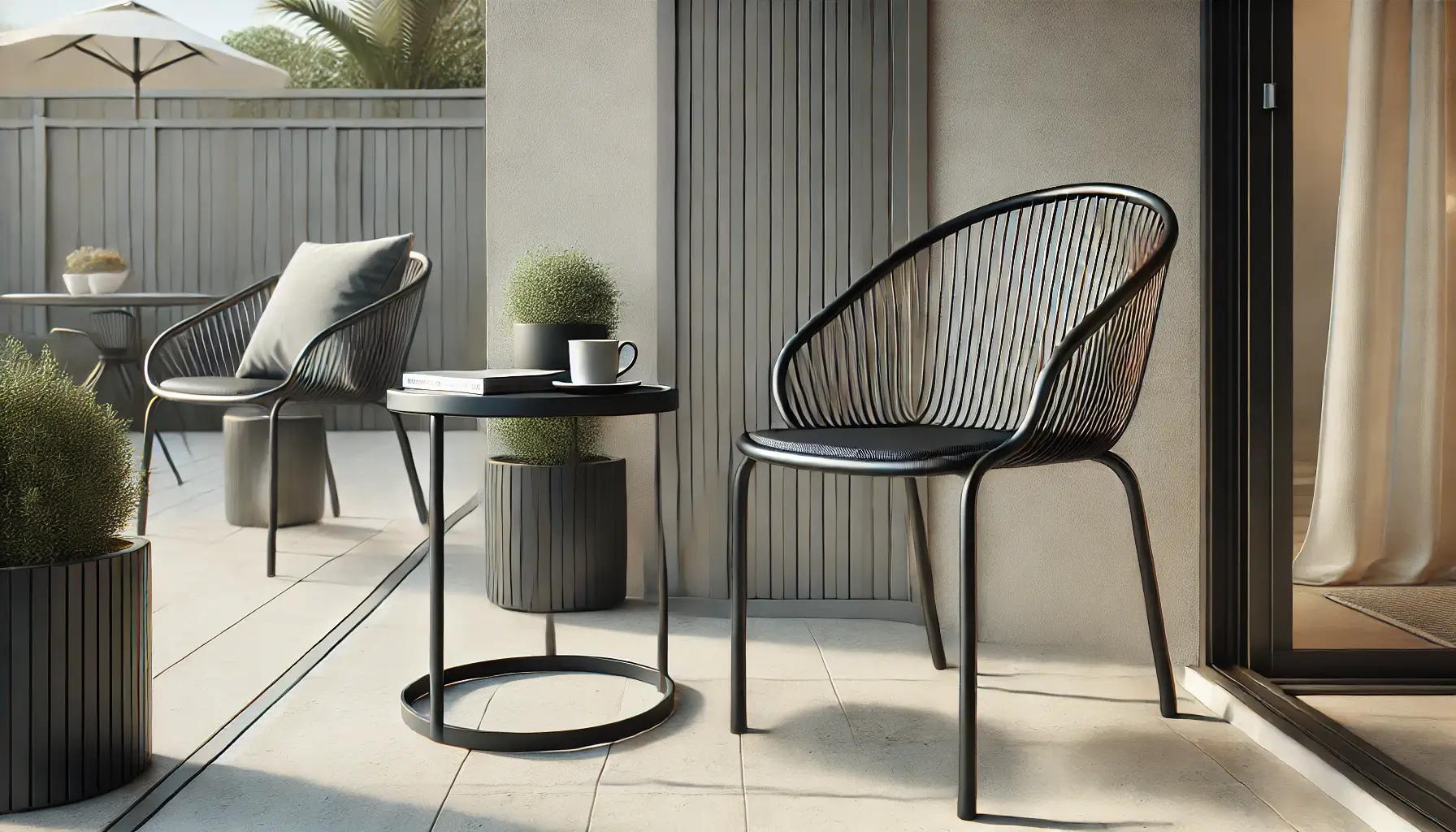
styled patio setting

Conclusion

Painting your metal furniture is an excellent way to refresh your home’s aesthetic without breaking the bank. With proper preparation, the right tools, and effective techniques, you can achieve a durable, flawless finish that revitalises your furniture. Whether you choose spray paint for quick coverage or brush-on paint for precision, the result is a stunning, modernised piece that complements your décor.

Take your time, follow the steps, and enjoy the transformation as you give your metal furniture a new lease on life. Happy painting!

How to Pick the Perfect Pastel Palette for Your Kitchen Cabinets and Walls

How to Pick the Perfect Pastel Palette for Your Kitchen Cabinets and Walls

Are you dreaming of a kitchen filled with soft, soothing colours that exude charm and personality? Pastel tones are the perfect solution for creating a serene, inviting space that transforms your kitchen into a delightful culinary haven. Whether you’re drawn to the tranquillity of Dewdrop Lavender, the freshness of Celery Bisque, or the warmth of Peach Whisper, pastels from Indicus Paints offer endless possibilities.

But how do you choose the perfect pastel palette that compliments your cabinets and walls while harmonising with your overall kitchen design? This guide will help you explore pastel colours from Indicus Paints, expert combinations, and tips for creating a cohesive, stylish look. Let’s dive into the art of picking the perfect pastel palette for your kitchen.

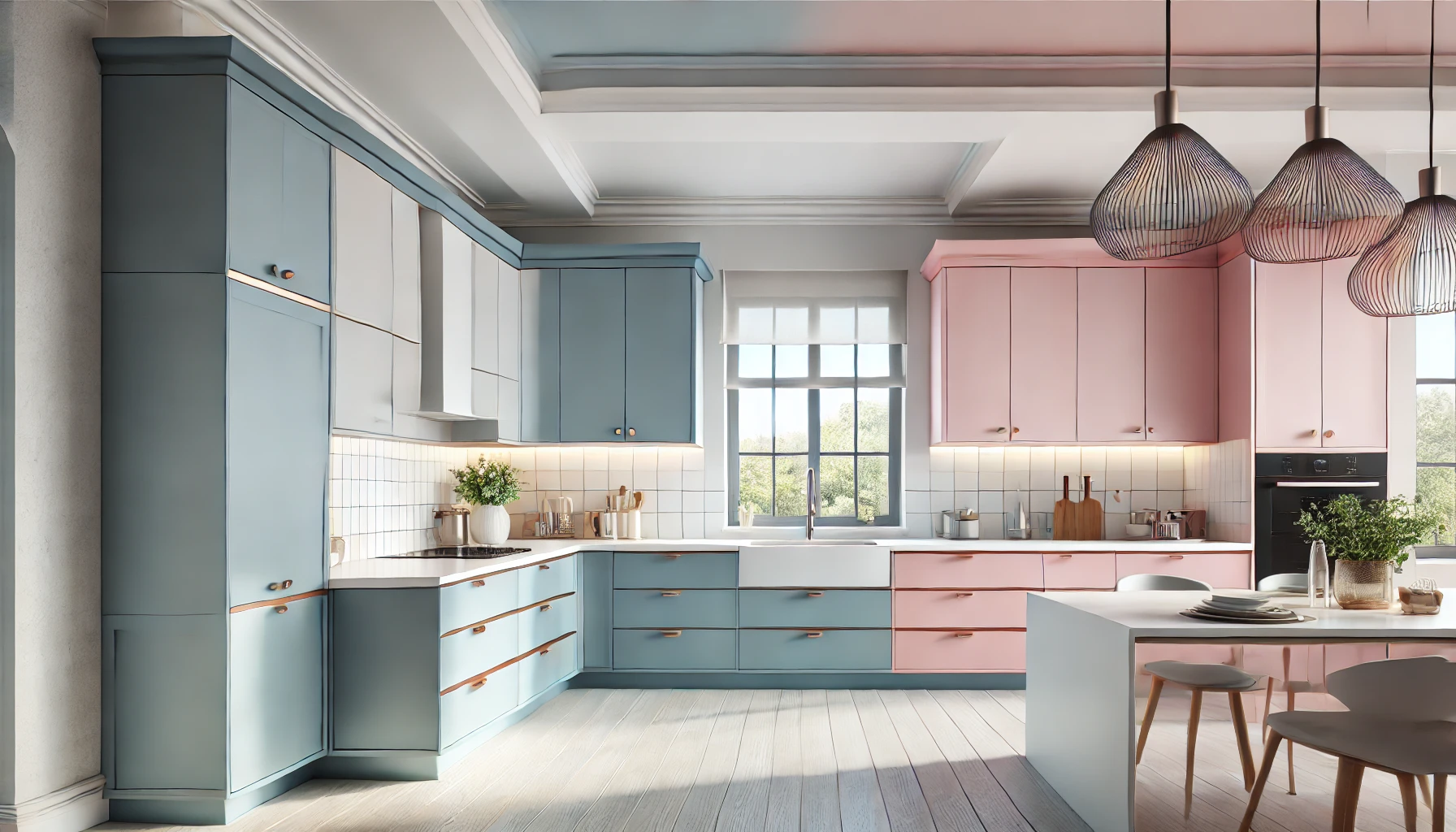
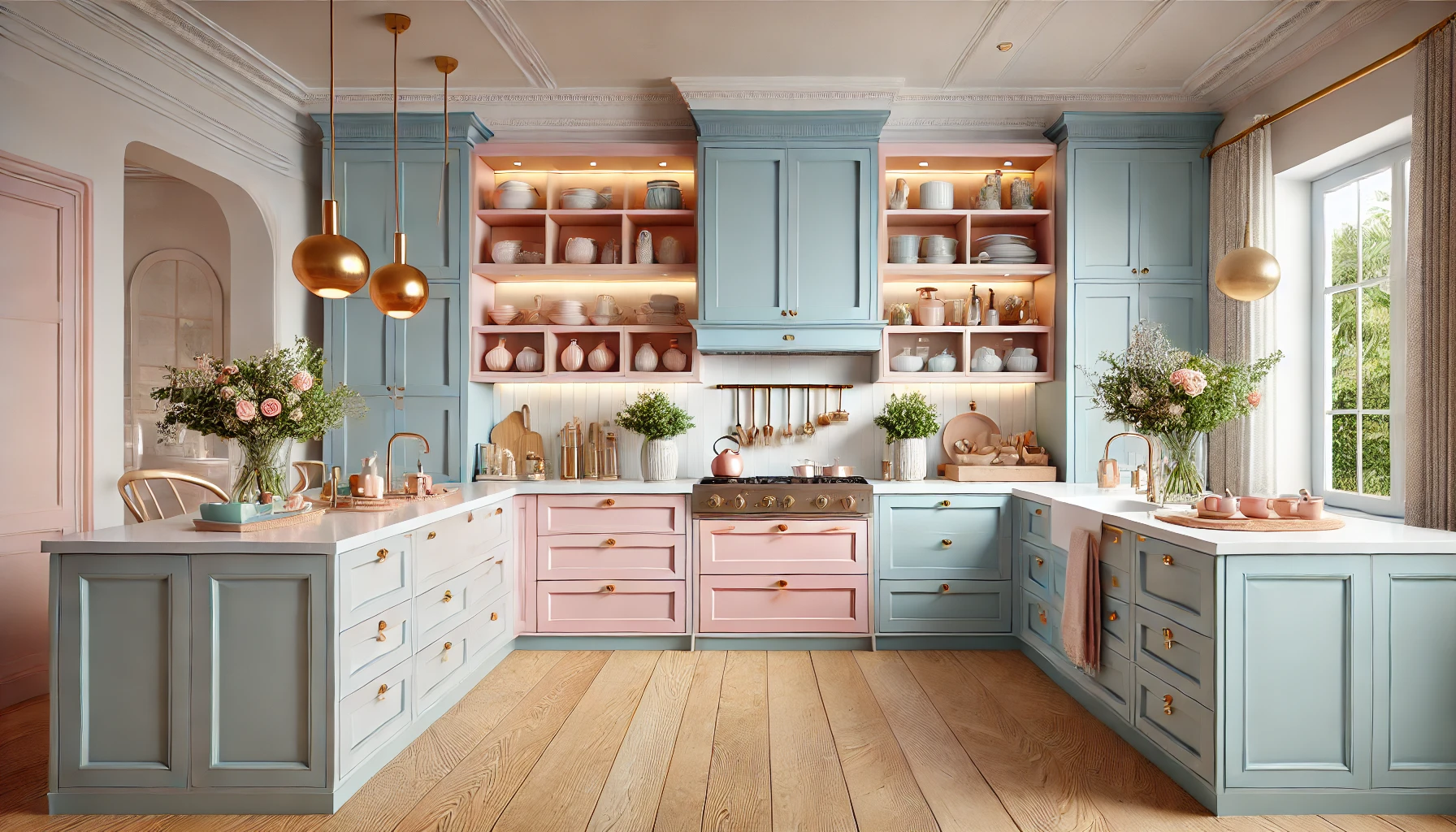
Contemporary Two-Tone Kitchen

Why Choose Pastel Tones for Your Kitchen?

Pastel tones have a unique ability to create a light, airy atmosphere that’s both soothing and stylish. These soft hues are versatile and timeless, making them an ideal choice for kitchen cabinets and walls. Pastels can:

  • Enhance Natural Light: Colours like Sky Frost and Powder Pink reflect natural light, brightening your kitchen and making it feel more spacious.
  • Create a Calming Ambience: Pastels such as Celery Bisque and Dewdrop Lavender evoke tranquillity, helping you create a stress-free cooking environment.
  • Offer Design Versatility: Indicus pastels pair beautifully with a variety of styles, from rustic farmhouse to sleek contemporary.
  • Add Personality: These delicate shades infuse your space with charm and individuality, setting your kitchen apart.
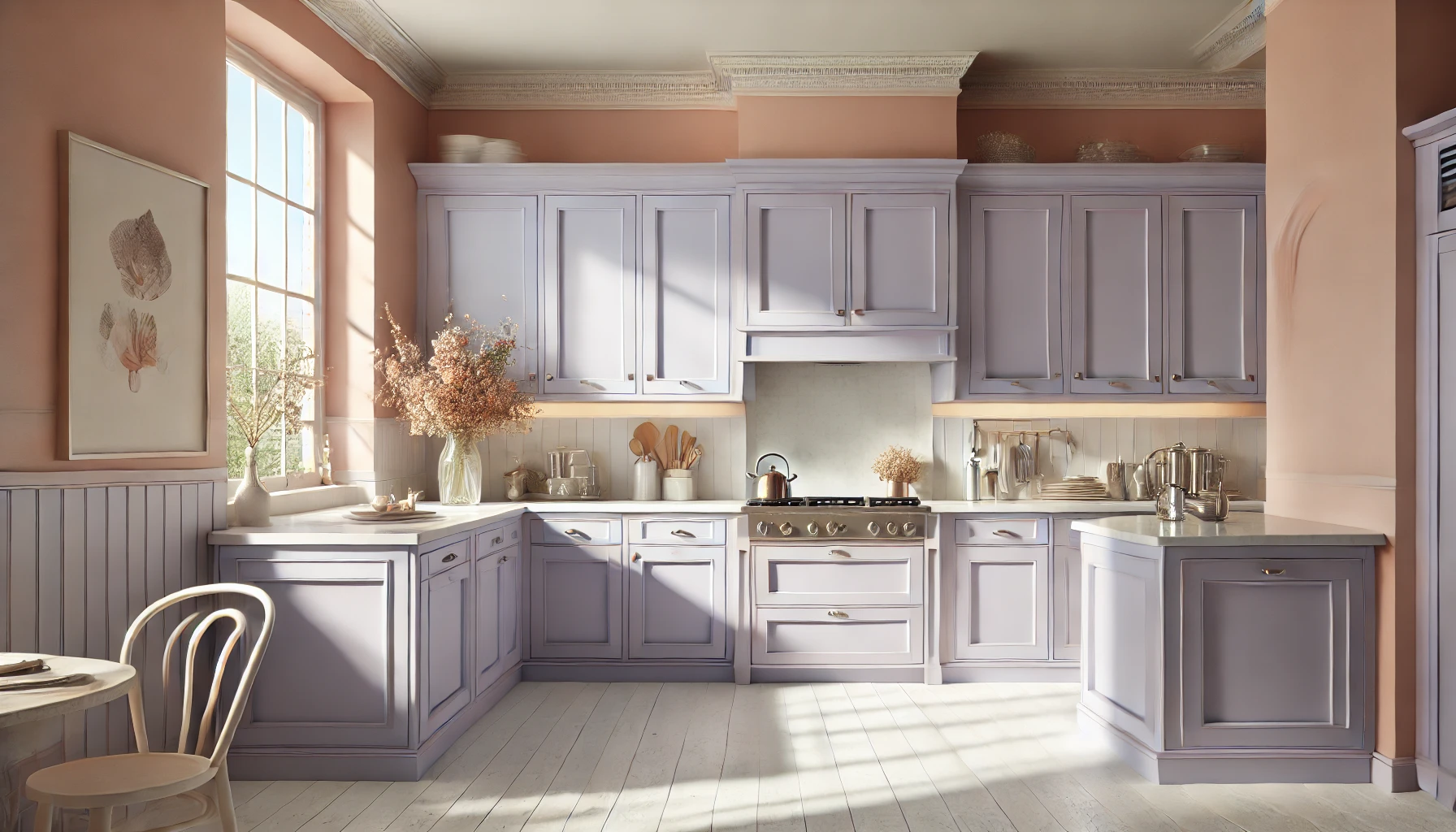
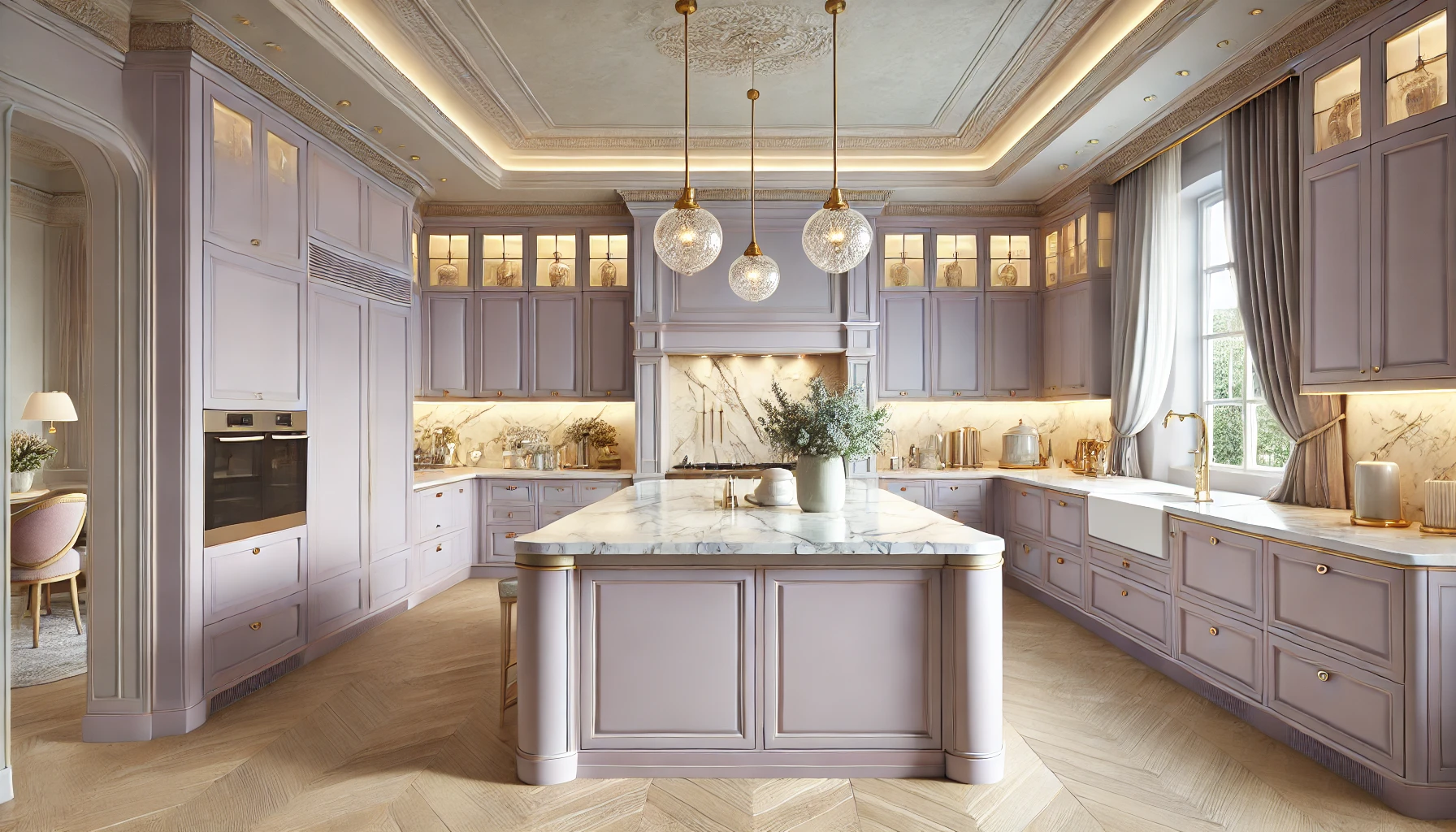
Dewdrop Lavender cabinets and Peach Whisper walls

Finding the Right Pastel Shades for Your Kitchen

a) Tranquil Blues
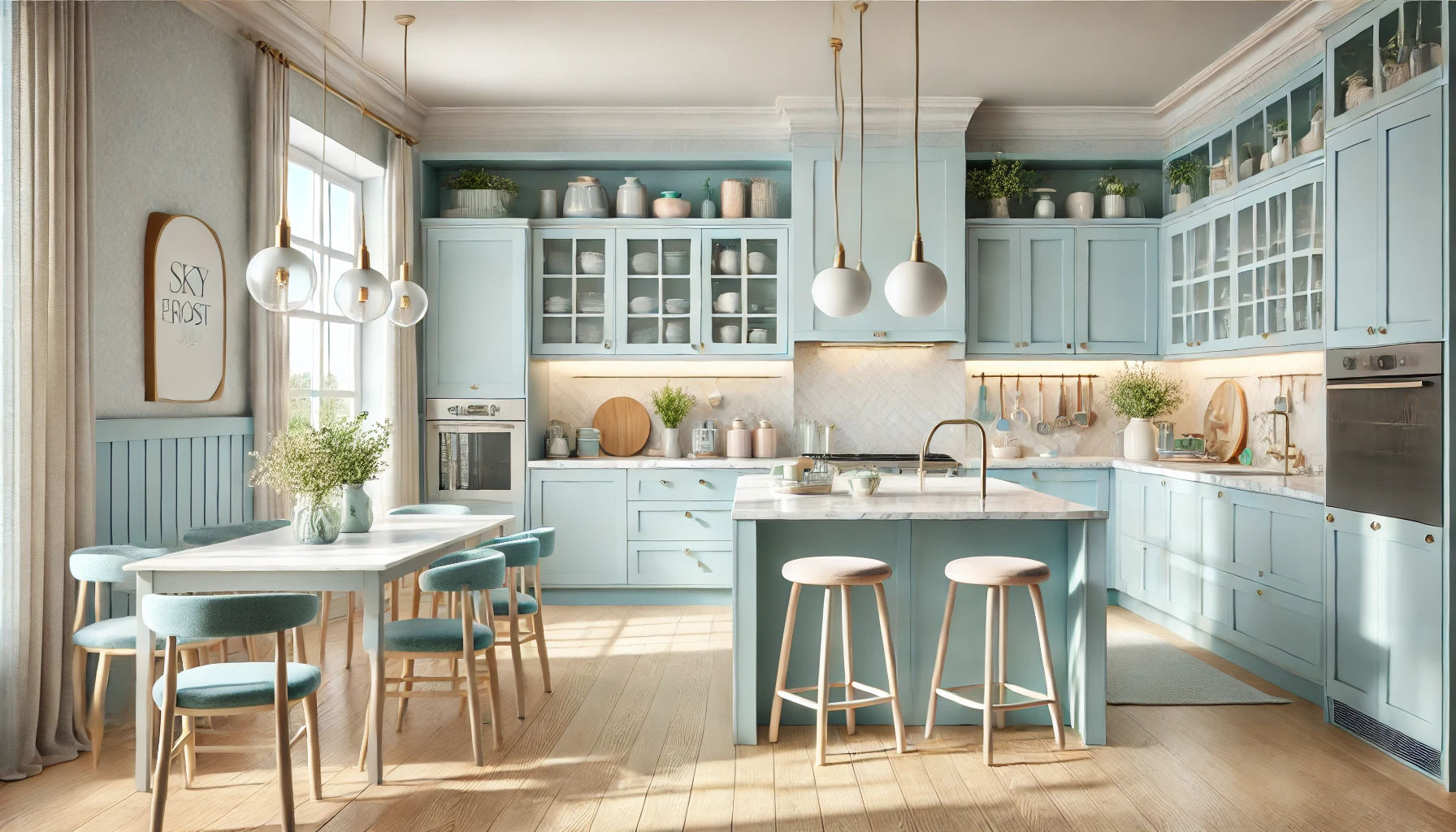
Pastels like Sky Frost create a calm, refreshing atmosphere. Pair this shade with white countertops or light wood finishes to give your kitchen a Scandinavian-inspired look.

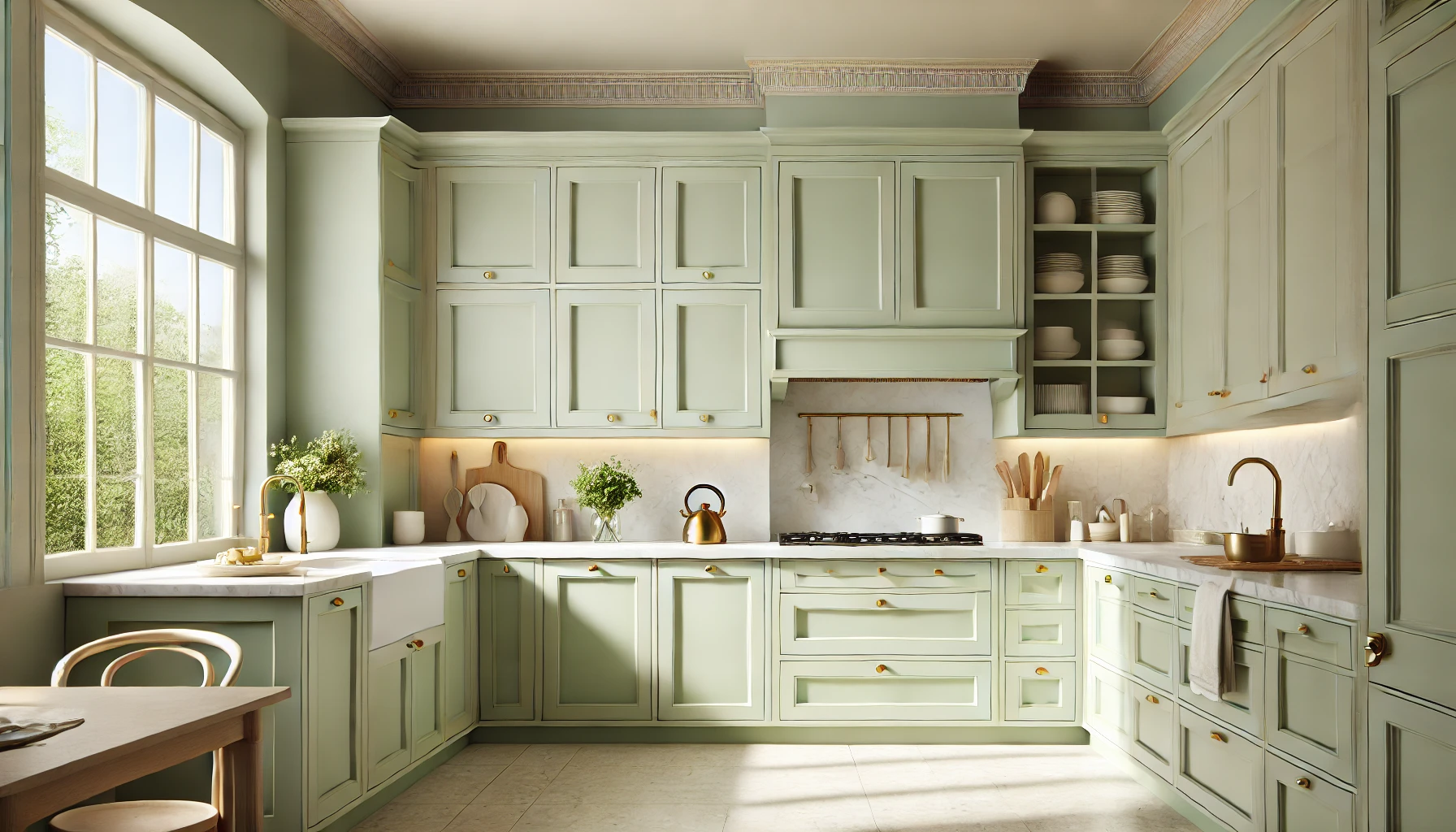
b) Fresh Greens
Colours like Celery Bisque add vibrancy and a connection to nature. This shade pairs beautifully with gold or brass hardware for a modern touch.

c) Soft Pinks
Powder Pink is perfect for creating a warm, chic kitchen. Pair it with metallic or white accents for a contemporary, elegant feel.
shaker-style cabinets or sleek flat-panel designs
d) Cheerful Yellows
Golden Dawn adds a sunny, welcoming vibe to your kitchen. This pastel is ideal for cabinets or walls and can be balanced with neutral tones like beige or cream.

e) Elegant Purples
Dewdrop Lavender is a subtle yet sophisticated choice. This shade works wonderfully with silver hardware or marble countertops for a refined finish.
Fresh Greens and Modern Elegance

Expert Colour Combinations for Kitchens

a) Celery Bisque and Powder Pink
Combine the freshness of Celery Bisque cabinets with the warmth of Powder Pink walls for a balanced, harmonious look.

b) Sky Frost and White Blossom
This crisp combination creates a serene, minimalist aesthetic. Use Sky Frost for cabinets and White Blossom for walls to brighten up smaller kitchens.

c) Golden Dawn and Driftwood Beige
The cheerful warmth of Golden Dawn cabinets paired with the subtle neutrality of Driftwood Beige walls is ideal for a farmhouse-inspired kitchen.

d) Dewdrop Lavender and Peach Whisper
Blend Dewdrop Lavender walls with Peach Whisper cabinets to create a soft, feminine look. Add silver or rose-gold accents to elevate the palette.
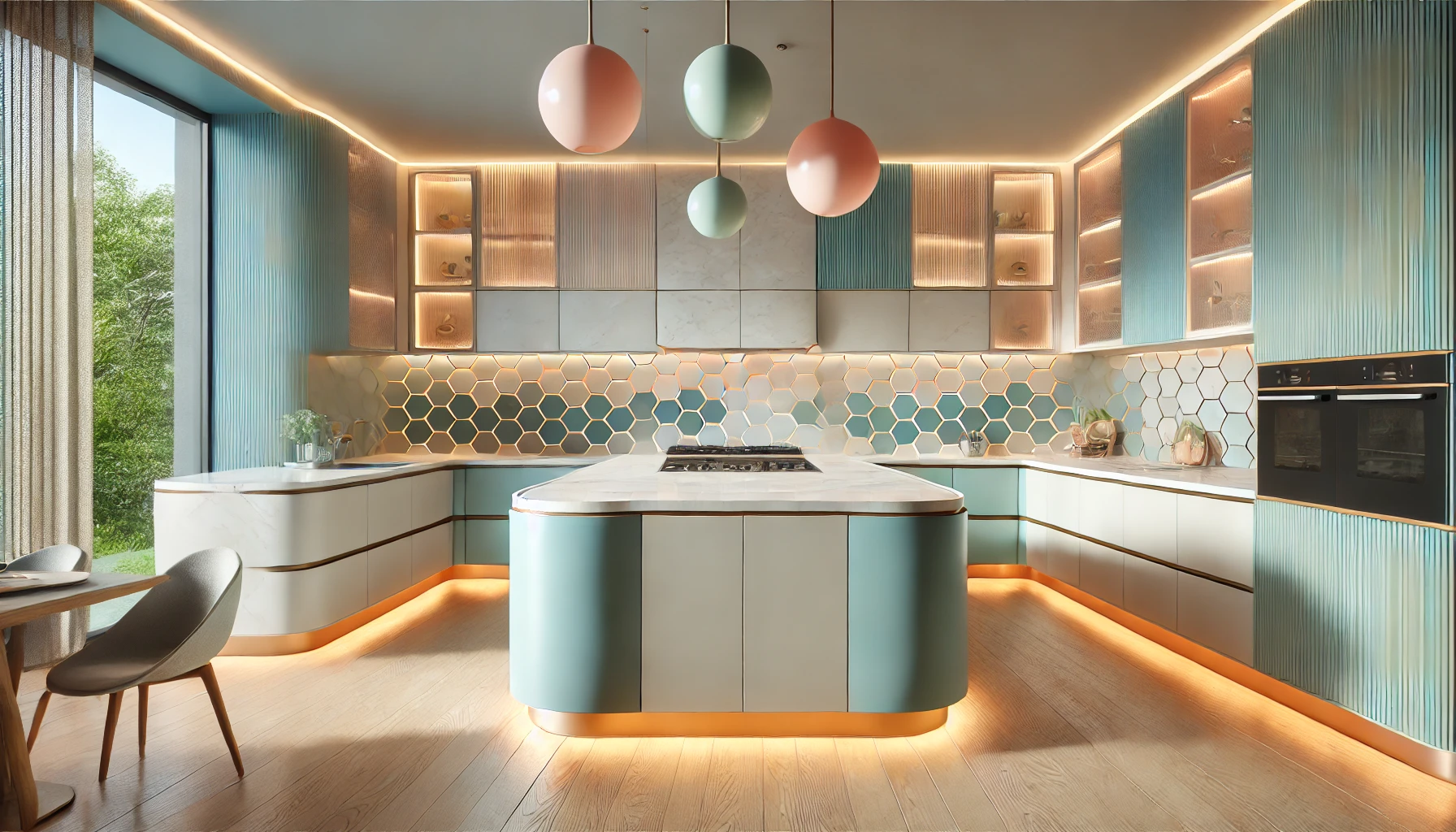
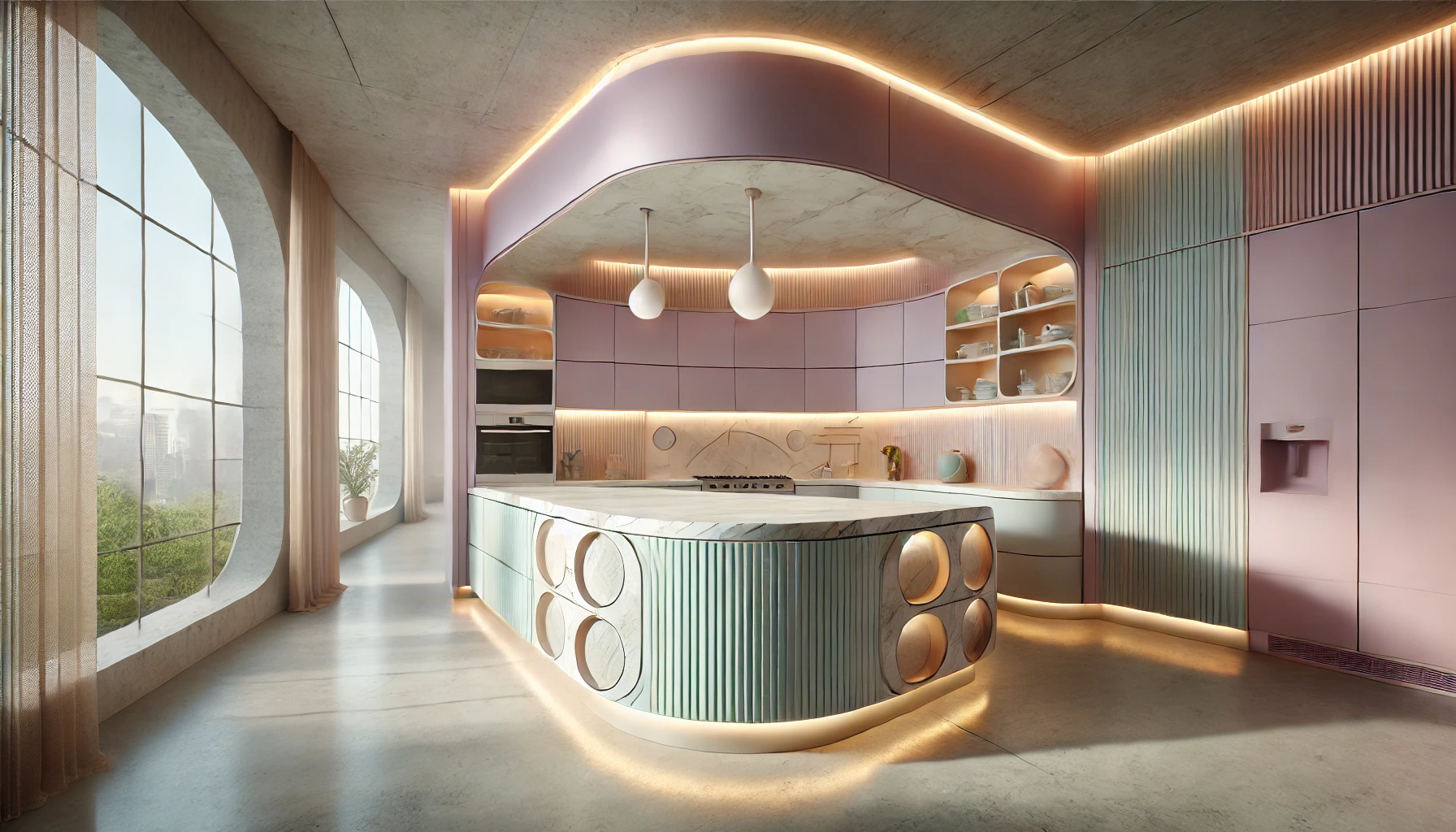
Futuristic and pastel elegance V01
e) Mint Leaf and Soft Cream
Pairing Mint Leaf cabinets with Mint LeafSoft Cream walls adds a retro-inspired charm to your kitchen, perfect for vintage enthusiasts.

Tips for Harmonising Pastels with Your Kitchen Design

  • Consider the Size of Your Kitchen: Use lighter pastels like Sky Frost or Powder Pink in smaller kitchens to make the space feel larger and brighter.
  • Focus on Balance: Pair pastels with neutral tones such as Driftwood Beige to prevent the space from feeling too sweet or overwhelming.
  • Incorporate Textures: Add texture through wood, tiles, or metal to enhance depth and interest in your pastel palette.
  • Add Contrasts: Use darker accents or metallic finishes to ground pastel tones and create contrast.
  • Coordinate Hardware and Accessories: Choose cabinet handles, light fixtures, and décor items that complement your pastel colour scheme.
Futuristic and pastel elegance

DIY Pastel Painting Projects for a Personalised Touch

For a creative, hands-on experience, try these DIY painting ideas:

  • Paint Your Cabinets: Use Indicus shades like Celery Bisque or Peach Whisper to give your cabinets a fresh new look.
  • Create an Accent Wall: Highlight a single wall with a pastel shade like Dewdrop Lavender or Golden Dawn for added character.
  • Customise Shelves: Paint open shelves in a contrasting pastel colour such as Mint Leaf to highlight your kitchenware.
  • Stencil Patterns: Add playful patterns using a combination of pastels like Powder Pink and Sky Frost for a unique touch.
Luxury Pastel Kitchen with Metallic Accents

Hiring Professional Painters for a Flawless Finish

For a seamless, polished result, consider hiring professional painters. Indicus Painting Services offers expert solutions to bring your pastel kitchen vision to life. From selecting the perfect pastel shades to achieving a flawless application, the skilled team at Indicus ensures every detail is handled with care.

With premium paints and precise techniques, Indicus Painting Services transforms your kitchen into a pastel paradise that’s both beautiful and functional. Trust the experts to deliver the dream kitchen you deserve.
Open-plan kitchen or galley-style

Conclusion

A pastel palette is the perfect way to transform your kitchen into a serene, stylish space that reflects your personality. By choosing colours from the Indicus Paints Colour Palette, experimenting with combinations, and ensuring harmony with your kitchen’s design, you can create a culinary haven that’s as inviting as it is functional.

Whether you’re tackling a DIY project or working with Indicus Painting Services, pastel tones can infuse your kitchen with charm and elegance. Let your imagination soar and turn your kitchen into the heart of your home with the timeless beauty of pastels.
Top Mistakes to Avoid When Painting Your Interior Walls

Top Mistakes to Avoid When Painting Your Interior Walls

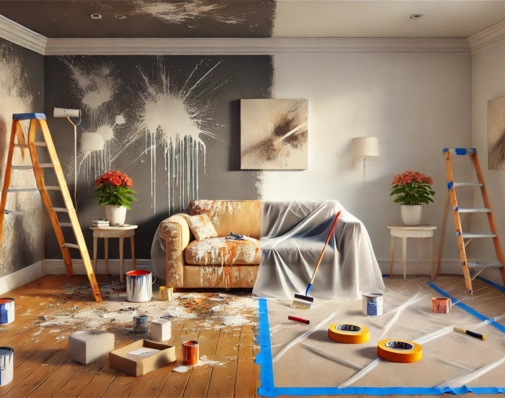
Painting your interior walls is one of the most effective ways to refresh your home and add a personal touch to your space. However, what may seem like a straightforward task can quickly become frustrating if certain mistakes are made. From improper preparation to rushing the process, common errors can result in uneven finishes, wasted time, and additional costs.

This guide takes you through the top mistakes to avoid when painting your interior walls. By understanding these pitfalls and implementing best practices, you can ensure a polished, professional result that enhances your home’s aesthetic appeal.

Importance of Proper Preparation Before Painting

Preparation is the cornerstone of any successful painting project, yet it is often overlooked. Skipping preparation can result in a variety of issues, including paint peeling, uneven coverage, or stains bleeding through the final coat. Before painting, it’s essential to thoroughly clean your walls to remove dust, grease, or grime, which can prevent paint from adhering properly. Any cracks or holes should be filled and sanded down for a smooth surface. If you’re painting over a glossy surface, lightly sanding it will help the new paint adhere better. Neglecting these steps compromises the durability and appearance of your paintwork, turning what could have been a beautiful finish into a frustrating experience.

Choosing the Wrong Paint Colour

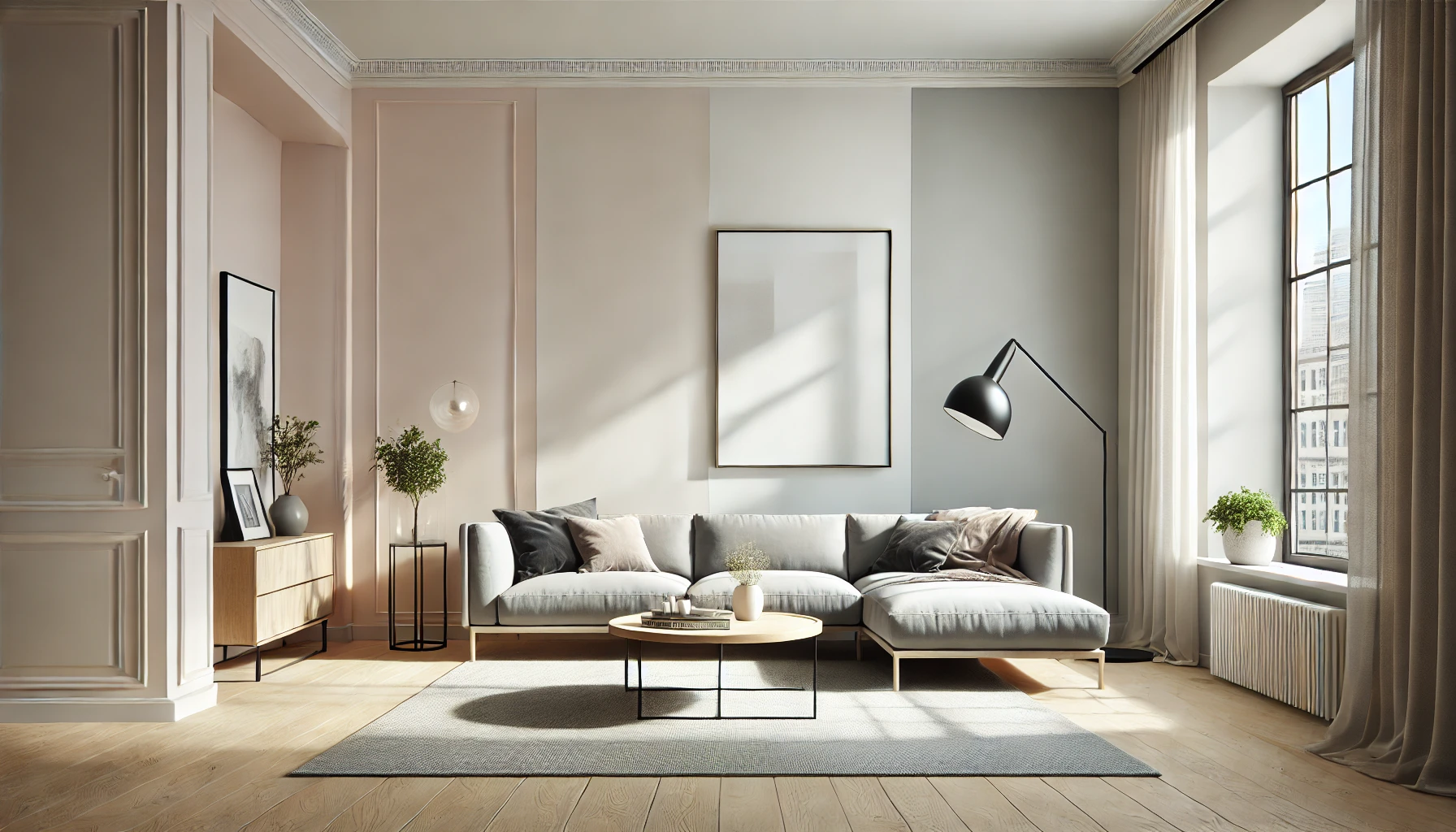
One of the most common yet easily avoidable mistakes is choosing the wrong paint colour. A colour that looks perfect on a sample card may appear completely different once applied to your walls due to lighting conditions, room size, or surrounding décour. Natural and artificial light can significantly alter how a colour looks at different times of the day. To avoid disappointment, test paint samples directly on your wall and observe them in varying lighting conditions. Consider how the chosen colour compliments your furniture, flooring, and accessories to ensure a cohesive look. Ignoring these factors can result in a colour that clashes with your space or creates an unintended atmosphere.

Top Mistakes to Avoid When Painting Your Interior Walls

Not Using the Right Tools and Materials

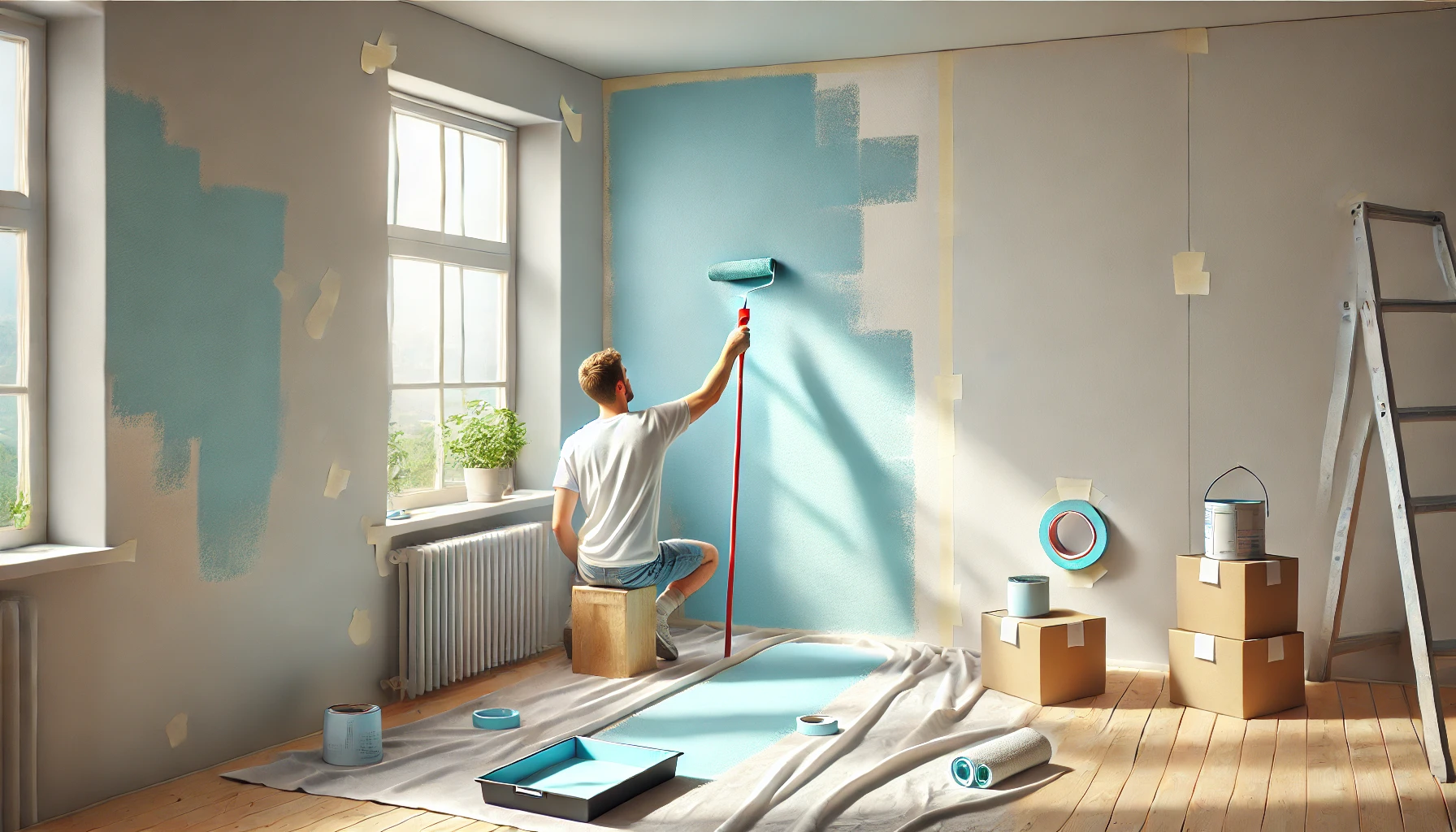
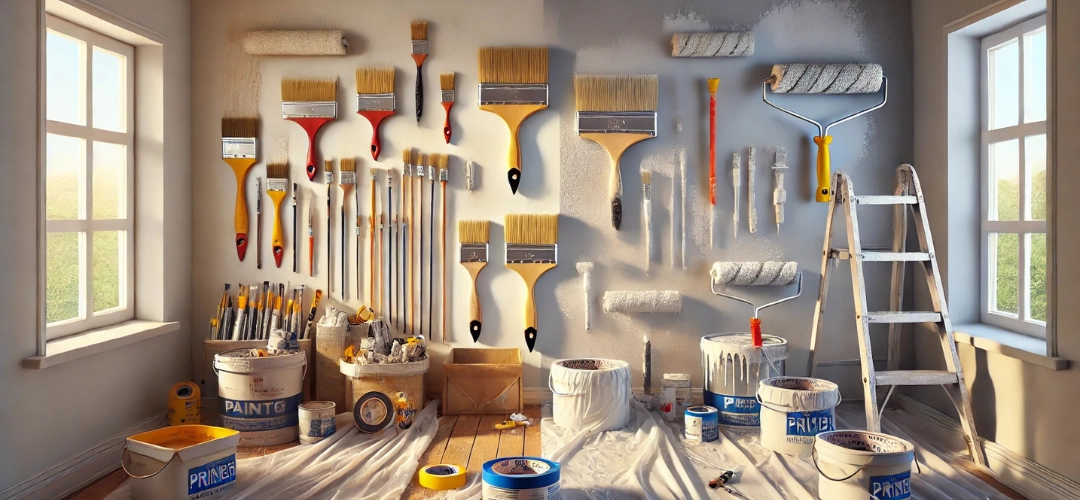
Using the wrong tools or low-quality materials can ruin even the best painting effort. A good paint brush or roller is essential for achieving smooth, even coverage, while painter’s tape ensures clean edges and sharp lines. Inadequate tools can lead to streaks, uneven application, or messy edges, wasting time and effort. Drop cloths or plastic sheets are crucial for protecting floors and furniture from drips and splatters. Skimping on these essentials often results in frustration and a finish that falls short of expectations.

Top Mistakes to Avoid When Painting Your Interior Walls

Skipping Primer

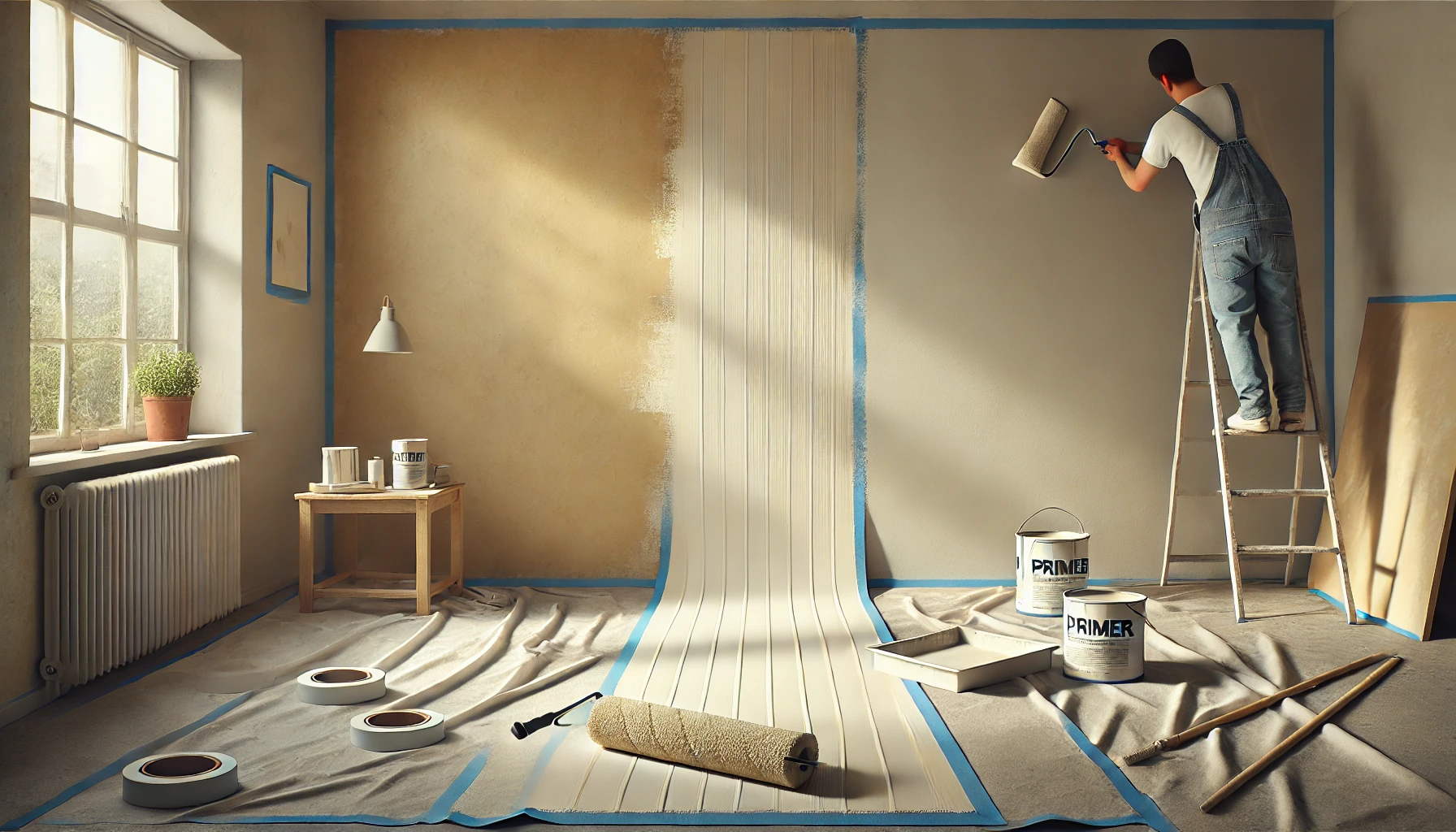
Primer is often skipped in an attempt to save time or money, but this step is critical for a high-quality finish. Primer creates a uniform base for the paint to adhere to, enhancing colour vibrancy and durability. It’s particularly important when painting over dark colours, freshly repaired walls, or porous surfaces. Without primer, you may find that the final coat appears patchy or uneven. It also helps seal stains, ensuring they don’t bleed through the paint. Skipping this step often leads to more coats of paint being required, negating any initial time or cost savings.

Skipping the Necessary Steps in the Painting Process

Painting isn’t as simple as opening a can and rolling it onto the walls. Each step, from surface preparation to applying the final coat, plays a crucial role in achieving a flawless finish. Skipping steps such as cleaning the walls, sanding rough patches, or applying a second coat can result in visible imperfections and uneven textures. For instance, failing to clean the walls may trap dust or grease beneath the paint, leading to peeling or bubbling over time. Rushing through or skipping these steps compromises the quality of your work, often requiring a redo that could have been avoided with careful attention.

Lack of Proper Surface Preparation

Proper surface preparation goes beyond cleaning. Walls with uneven textures, old peeling paint, or cracks can cause new paint to highlight rather than hide these flaws. Scraping off peeling paint, sanding rough patches, and ensuring the surface is smooth are essential for a professional-quality finish. Skipping these steps results in bumps, uneven layers, or areas where the paint fails to adhere properly. Taking the time to prepare the surface thoroughly ensures a flawless application and long-lasting results.

Neglecting to Protect Furniture and Flooring

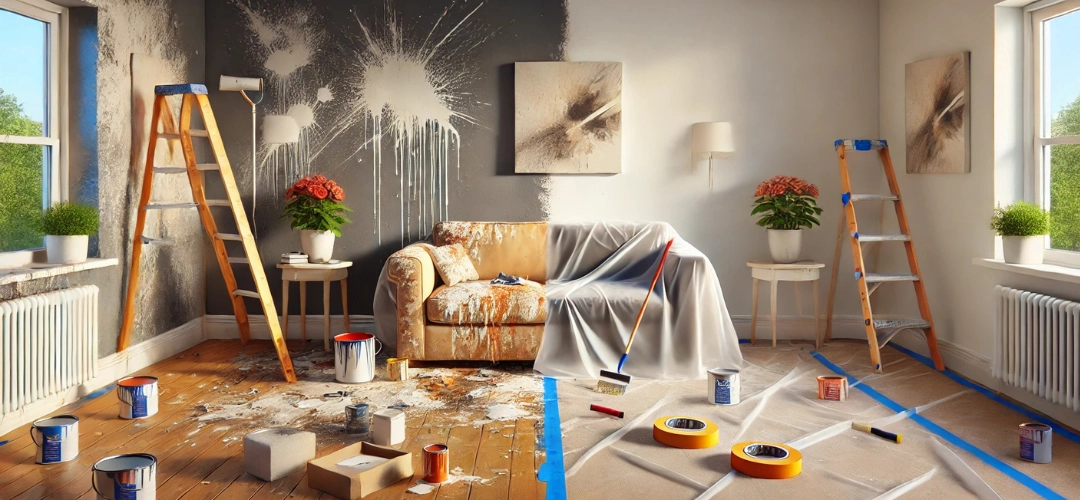
Painting is inherently messy, and failing to protect your furniture, flooring, and other surfaces can lead to unintended damage. Paint drips and splatters are difficult to clean once they dry, particularly on carpets or upholstered furniture. Always use drop cloths, plastic sheeting, or painter’s tape to safeguard these areas. It’s also a good idea to move smaller items out of the room and cover larger furniture. Neglecting these precautions can lead to unnecessary cleanup and potential permanent stains.

Rushing the Painting Process

Patience is essential when painting your interior walls. Rushing through the process, whether due to time constraints or excitement, can lead to mistakes such as uneven coverage, streaks, or drips. Each coat of paint requires careful application to ensure a smooth and polished finish. Rushing also increases the likelihood of skipping steps, such as proper drying times, which can compromise the overall quality. Planning your painting project and allocating sufficient time for each step ensures a professional result.

Not Allowing Sufficient Drying Time Between Coats

Allowing each coat of paint to dry fully before applying the next is critical for achieving an even and long-lasting finish. Applying a new coat before the previous one is completely dry can result in peeling, streaking, or clumping. The recommended drying time varies depending on the type of paint, humidity, and room temperature. Water-based paints typically dry faster than oil-based paints, but it’s always best to follow the manufacturer’s instructions. Patience during this step ensures a flawless final result.

Ignoring the Need for Proper Ventilation

Proper ventilation is often overlooked but is essential for both safety and efficiency. Paint fumes, especially from oil-based paints, can be harmful if inhaled for prolonged periods. Poor ventilation also slows drying times, increasing the risk of smudging or uneven layers. Open windows and doors, use fans to circulate air, and take breaks to minimise exposure to fumes. For poorly ventilated spaces, consider using low-VOC or odourless paints to reduce health risks.

Conclusion and Final Tips for Successful Interior Wall Painting

Painting your interior walls can be a rewarding experience, but it requires careful planning, patience, and attention to detail. Avoiding these common mistakes – such as skipping preparation, rushing the process, or choosing the wrong tools – ensures a professional-quality finish that enhances the beauty of your space. Take the time to clean and prepare surfaces, use primer where necessary, and allow sufficient drying time between coats. Choose the right colours by testing them in your space and ensure proper ventilation throughout the process. By following these guidelines, you can transform your walls and create a space that reflects your style and personality with confidence.