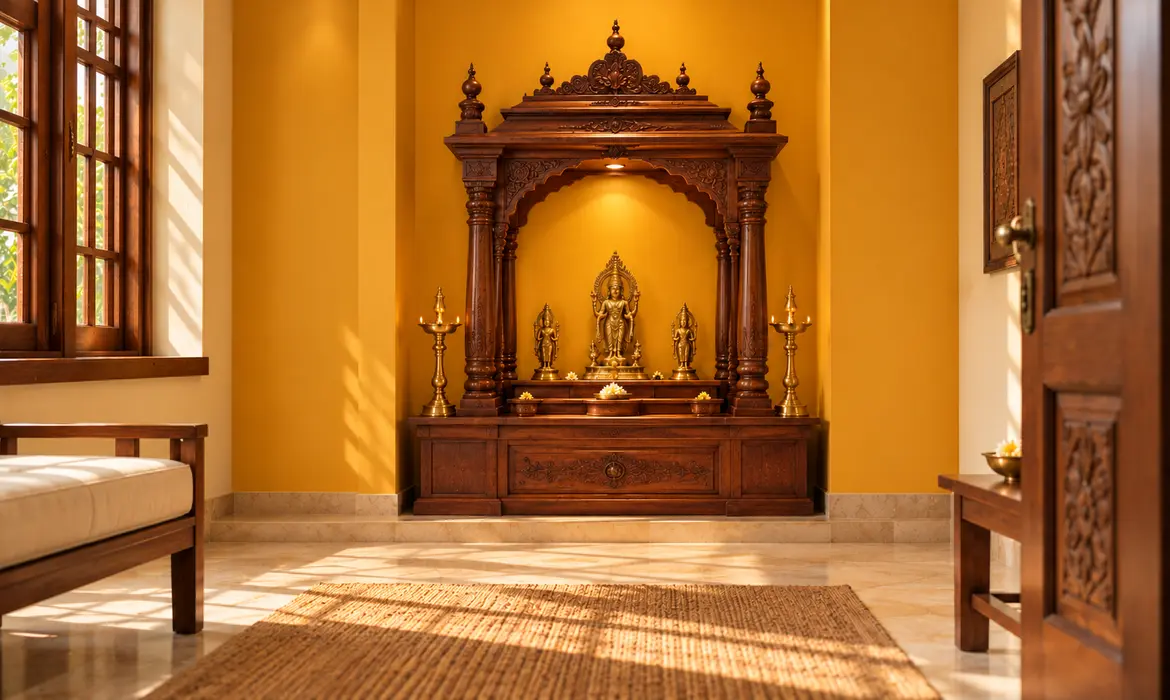
Pongal-Inspired Home Colour Palettes Rooted in Tamil Tradition
Listen to the audio version of the blog here:
Pongal-inspired palettes draw on turmeric yellow, sugarcane green, rice white and terracotta, balanced with modern neutrals such as ivory and warm white. Used with care, they bring harvest warmth and Tamil heritage into a contemporary home.
Pongal arrives when the harvest is in. The pot boils over, the sun is thanked and the house is made ready. Long before festival décor came in boxes, Tamil homes carried this spirit in their walls, in colours drawn from soil, grain and sky. Today, Tamil inspired wall colour brings that spirit indoors with the same grace.
Cultural Significance of Pongal Colours
Pongal colours come from the harvest itself. Turmeric yellow recalls the plant tied around the pot. Sugarcane green recalls the stalks stacked beside it. Rice white recalls the new grain and the kolam drawn at the threshold. Terracotta recalls the clay pot and the earth that fed the field. South Indian inspiration on wall colours begins here, where every shade has a reason to be there.
The Traditional Tamil Colour Palette
Five tones anchor the palette. Deep maroon brings the richness of temple textiles. Sandalwood beige carries the glow of polished timber. Mud red recalls the red-ochre borders on old house walls and temple compounds. Indigo blue echoes the dye long woven into cotton. Golden yellow lifts a doorway the way a lamp does. Together they give traditional interior paints a character that feels inherited rather than assembled.

Where to Use These Colours in the Home
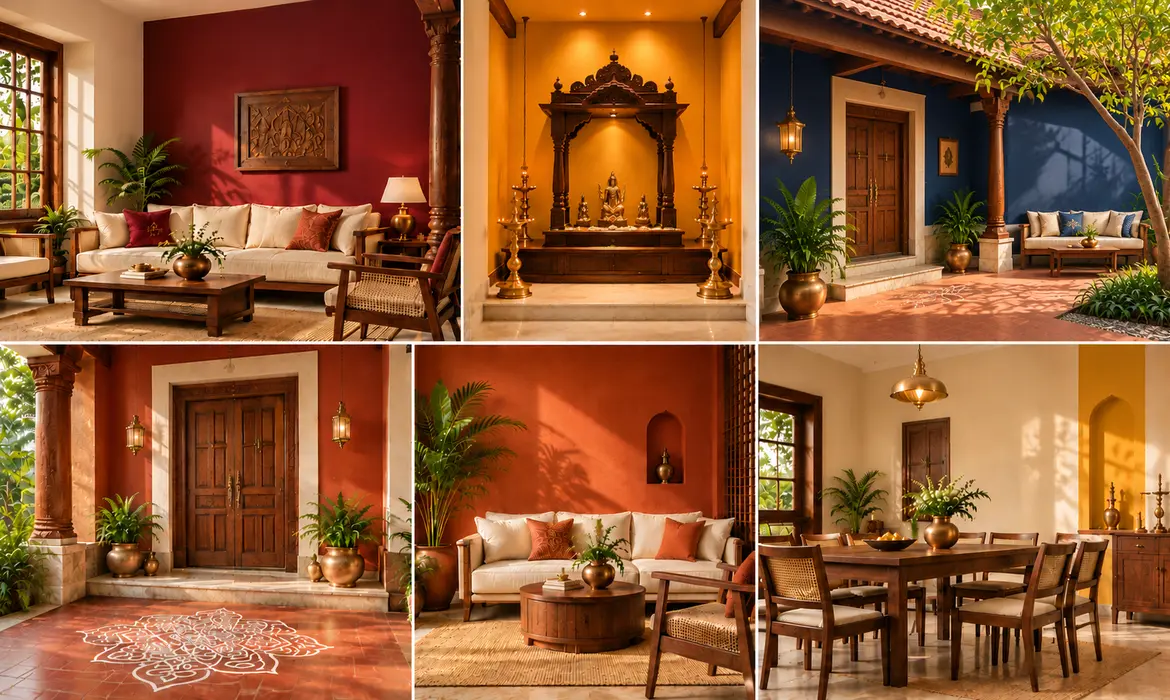
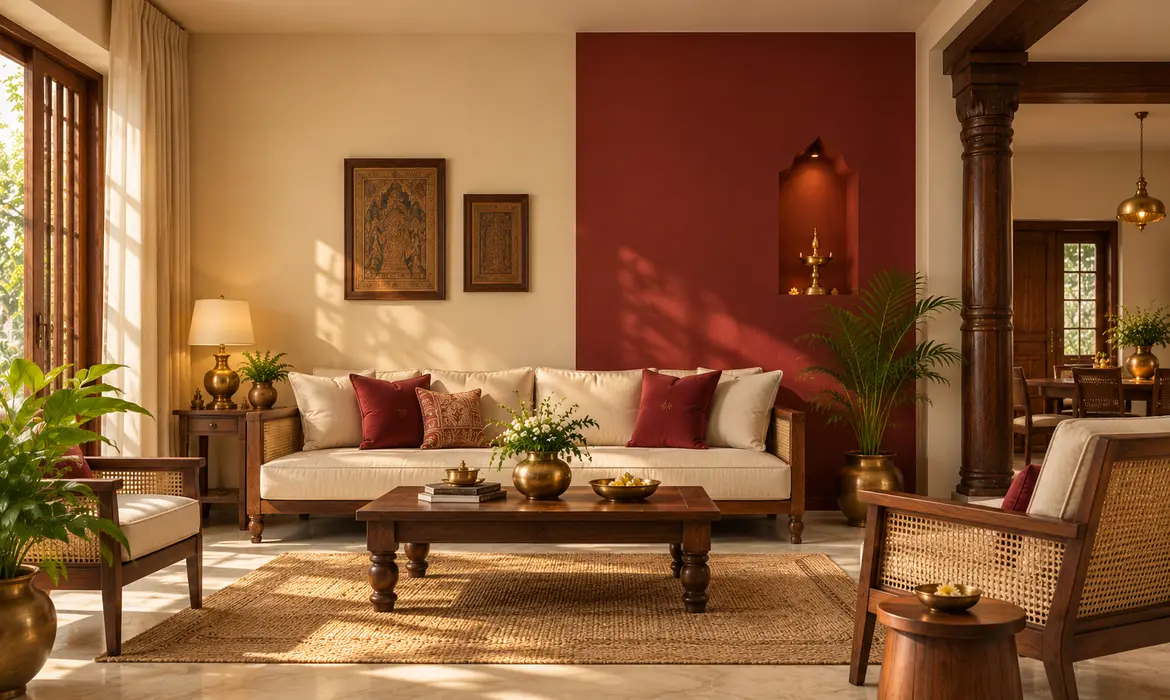
- Living rooms: sandalwood beige on the main walls, with maroon in an alcove or behind a seating corner.
- Pooja rooms: golden yellow or turmeric, for a warm and quiet glow.
- Accent walls: one wall of terracotta or deep indigo gives a room a focal point.
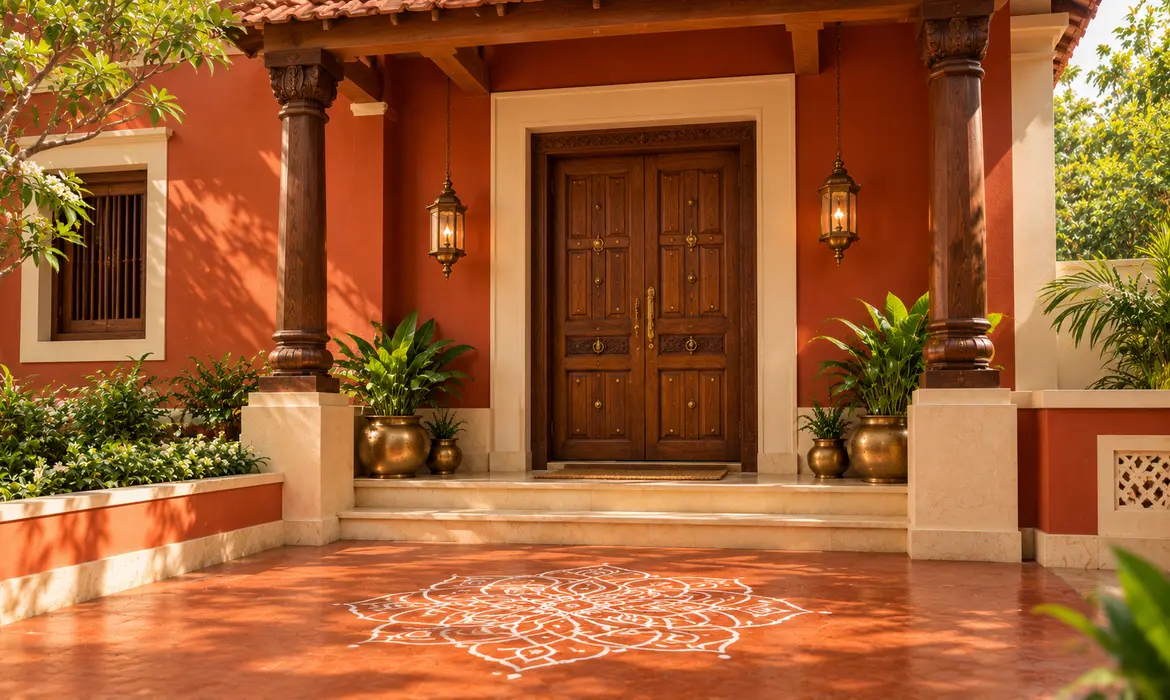
- Entrances and courtyards: mud red and terracotta welcome guests and set the tone for the festival.
Blending Tradition with Modern Interiors
Heritage shades breathe best against a calm base. Ivory, soft grey or warm white on the main walls lets turmeric, maroon or terracotta arrive as a deliberate accent instead of an overload. This is how a Tamil inspired modern wall colour scheme works: neutral in the larger planes, heritage colour in smaller, well-chosen proportion. The home stays contemporary and the tradition stays visible.
Accent Ideas for a Festive Touch
Doors, columns, borders and feature walls carry bold colour best. A deep maroon door against an ivory facade welcomes the festival. An indigo band on a column or a golden yellow border along a wall adds a festive line without crowding the room. Keep to one or two accents per space and let the neutrals do the rest. Restraint keeps the palette elegant.
Choosing the Right Finish for Festive Homes
Matte and soft-sheen finishes suit these colours well. A matte finish softens light and gives deep shades such as maroon and indigo a rich, velvety depth. It also hides minor wall imperfections. A soft sheen adds a gentle glow and is easier to wipe clean, which helps in busy areas such as entrances and living rooms. Both keep the look refined and modern.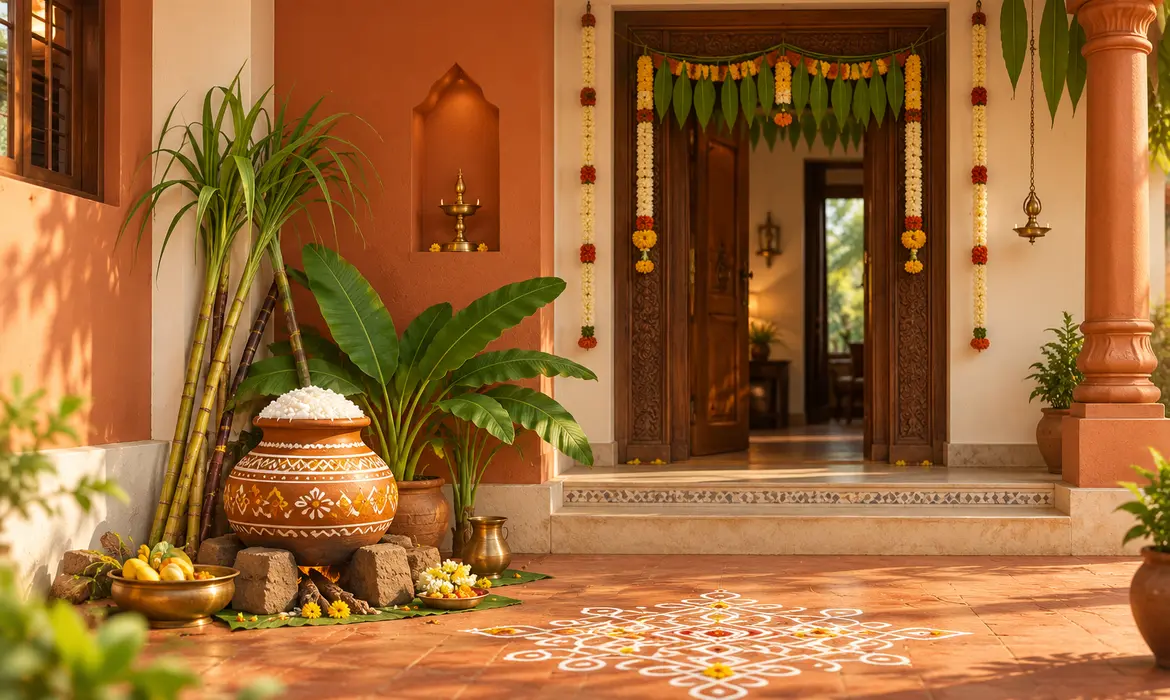
Creating a Complete Pongal-Inspired Home Look
A traditional colour palette for modern interior spaces comes together through restraint and detail. Choose a neutral base, add two or three heritage tones in proportion and let styling complete the picture: brass lamps, a kolam at the threshold, fresh sugarcane in the corner. The colour sets the mood and the objects give it voice.
Pongal has always been a day of gratitude. For the sun that ripened the grain. For the land that gave it. For the home that holds the harvest and opens its doors to share it. That home deserves colours drawn from the same source.
Let turmeric glow in the pooja room, Terracotta and mud red greet the threshold and maroon, indigo and sandalwood settle into the rooms between. Chosen with restraint and kept in proportion, these shades stay festive long after the pot has cooled.
The festival returns every year. The colours of the harvest can stay.